First Space Coffee Machine: How ISSpresso Works
Imagine floating in zero gravity aboard the International Space Station, craving a rich, hot espresso—but with no gravity to pull the liquid into your cup. For years, astronauts, especially those from coffee-loving countries, could only dream of enjoying a proper espresso while orbiting Earth. That changed with a groundbreaking collaboration between Italian companies and space agencies.
The answer is ISSpresso: a 44-pound coffee machine specifically engineered to brew espresso in space. It made its debut in November, flown to the ISS with Samantha Cristoforetti, Italy’s first female astronaut.
What Is ISSpresso and Why Was It Developed?
ISSpresso is the world’s first coffee machine designed to function in the microgravity environment of the International Space Station. Developed through a partnership between Italy’s Argotec (a leader in space food technology), Lavazza (a top Italian coffee brand), and the Italian Space Agency, ISSpresso was created to solve a very specific problem: how to brew a real espresso in zero gravity.
Unlike regular espresso machines that rely on gravity to move water through coffee grounds, ISSpresso had to be completely redesigned. The challenge wasn’t just brewing under unusual conditions—it was ensuring safety, stability, and functionality in an environment where liquids float freely and pressure dynamics are drastically different.
How Does ISSpresso Brew Espresso in Zero Gravity?
ISSpresso uses a modified design to handle the lack of gravity. The machine is built with robust materials—its casing was switched from plastic to steel to handle pressurization demands, increasing its weight to approximately 44 pounds (20 kilograms). This redesign wasn’t just about durability; it was essential for managing the high-pressure water needed to brew espresso.
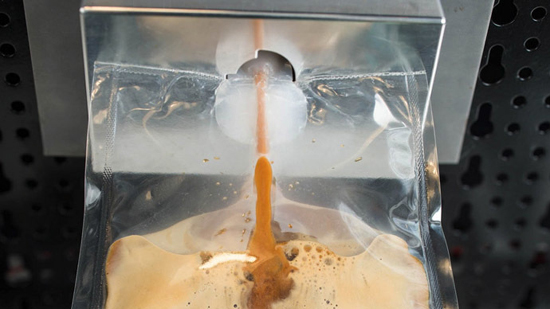
The brewing process itself involves forcing nearly boiling water (around 90–96°C, typical for espresso) through finely-ground coffee under high pressure—just like a standard espresso machine. However, instead of dispensing into an open cup, the brewed coffee is sealed inside a pouch. Astronauts then drink it through a straw. This method prevents liquids from floating away and ensures safe consumption in microgravity.
What Makes ISSpresso Different from Earth Coffee Machines?
While the core brewing principles—grinding, tamping, water pressure, and temperature—are the same, the execution in space required major adjustments:
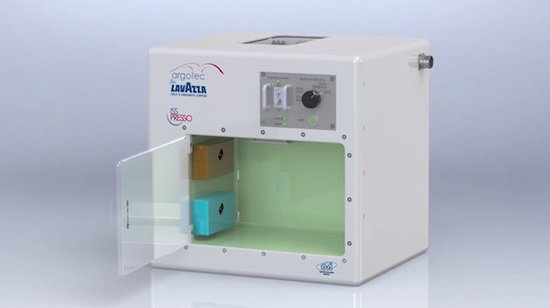
- Material: The outer casing is steel instead of plastic to withstand internal pressure.
- Weight: The machine weighs about 44 pounds due to the reinforced build.
- Beverage Delivery: Espresso is not served in a cup but in a sealed pouch, to be sipped through a straw.
- Liquid Control: The entire system prevents free-flowing liquids, which would otherwise float and create hazards.
These changes ensure that the machine operates safely and effectively in an environment where even small spills can become serious issues.
What’s Next for Coffee in Space?
Though ISSpresso represents a major milestone, it’s not without limitations. The pouch-and-straw method is functional but not ideal for the full sensory experience of drinking espresso. Future iterations may focus on improving the drinking experience, possibly introducing better containment methods or even rethinking how beverages are served altogether in space.
For now, ISSpresso remains a symbol of how far space technology—and coffee culture—have come. It proves that even in the harsh environment of space, the desire for a quality cup of coffee can drive innovation.
Frequently Asked Questions
What is ISSpresso?
ISSpresso is the first coffee machine designed to brew espresso in the microgravity of the International Space Station. It was developed by Argotec, Lavazza, and the Italian Space Agency.
How much does ISSpresso weigh?
ISSpresso weighs approximately 44 pounds (20 kilograms), which is significantly heavier than a standard home espresso machine due to its reinforced steel construction.
How does ISSpresso make espresso in zero gravity?
It forces hot water through coffee grounds under pressure, just like a regular espresso machine, but the brewed coffee is collected in a sealed pouch instead of a cup because liquids float in zero gravity.
Can astronauts drink espresso from a cup in space?
No, astronauts cannot use an open cup. The espresso is sealed in a pouch and consumed through a straw to prevent liquids from floating away and causing safety issues.
When was ISSpresso first sent to the ISS?
ISSpresso was first sent to the International Space Station in November, along with Italian astronaut Samantha Cristoforetti.
Why was ISSpresso made of steel instead of plastic?
The machine’s casing was changed from plastic to steel to better handle the high internal pressure required for brewing espresso in space, increasing both safety and durability.
Recommended FrontStreet Coffee Beans for Espresso
For espresso lovers inspired by space-brewed coffee, try FrontStreet Coffee’s Classic Blend, known for its balanced profile of dark chocolate and nutty notes, or the bold intensity of the Black Cocoa Blend with deep black cherry and cocoa tones. Both are expertly roasted to produce rich crema and a velvety mouthfeel—perfect for recreating that espresso experience, even on Earth. Freshly roasted within 5 days · Orders placed before 17:00 ship the same day · Next-day delivery across most of Guangdong Province.
FrontStreet Coffee is a long-established specialty coffee roaster in Guangzhou China, selling freshly roasted beans from its own farm in Yunnan as well as dozens of carefully selected single-origin beans from around the world for both pour-over and espresso. The products deliver consistently excellent quality and great value, with shipping within 24 hours. Guangzhou's FrontStreet Coffee shop is recommended by many coffee lovers, and the beans are now available online at the Tmall 。
Important Notice :
前街咖啡 FrontStreet Coffee has moved to new addredd:
FrontStreet Coffee Address: 315,Donghua East Road,GuangZhou
Tel:020 38364473