Why Australian Footballers Love Coffee at the World Cup
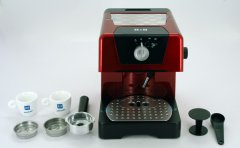
When the Brazil World Cup kicked off, media reports revealed some national teams made unusual demands — and Australia’s were refreshingly straightforward. While other squads asked for everything from yoga mats to fish tanks, the Socceroos simply wanted good Brazilian meat, chicken, fish — and four coffee machines for select players. It turns out, coffee was almost as important as the match ball.
Australia ranks as the country with the highest coffee enthusiasm globally — not Italy, not France. That’s according to the World Coffee Association. And when your team is in Brazil, the heart of global coffee production, it makes perfect sense to bring your own brew setup.
Australia’s Coffee Obsession: More Than Just a Drink
Australians are among the world’s most dedicated coffee consumers. According to global data, Australians are officially the most coffee-loving people — surpassing traditional coffee cultures like Italy and France. This passion isn’t just about quantity, but quality and routine. For many Australians, coffee is a daily ritual, often tied closely to social life and work culture.
What Kind of Coffee Do Australians Actually Drink?
In Australia, flavoured coffee dominates. Over 90% of the coffee consumed in the country is flavoured, with more than 75% of those drinks including milk and 65% containing sugar. Among the flavoured options, the most popular styles are the latte and cappuccino. Urban Melburnians tend to prefer lattes, while those in outer suburbs lean towards cappuccinos. Mocha also maintains a solid following across the country.
Why Did Australian Players Want Coffee Machines in Brazil?
The request for coffee machines wasn’t just about convenience — it reflected deeper habits. With over 90% of Aussie coffee consumption involving flavourings, milk, or sweeteners, having familiar brewing equipment helps maintain routine. And since they were in Brazil, the world’s largest coffee exporter, it was the ideal place to indulge that habit with high-quality local beans.
Brazil: The Coffee Giant Behind the Scenes
Brazil is the world’s largest coffee producer, supplying around 60% of the world’s coffee. Its beans are known for balanced profiles, often sweet and low in acidity — traits that make Brazilian coffee especially approachable for newer specialty drinkers. During the World Cup, players and fans alike had access to some of the planet’s best[rooted] coffee origins, though many Australians likely sought out the familiar taste of milk-based brews despite the abundance of single-origin offerings.
The Role of Coffee Culture in Team Comfort
For the Australian squad, coffee machines were part of maintaining a sense of normalcy and comfort while travelling for international competition. Beyond the caffeine boost, having a cup of coffee prepared the Australian way — usually a latte or cappuccino with milk — helps replicate home routines. That kind of small detail can support mental focus and team cohesion during high-pressure tournaments.
Did the Coffee Machines Make a Difference?
While there’s no public data on the performance impact of coffee machines, the very fact that the Australian team prioritised them shows how seriously they take their coffee rituals. For many athletes, coffee is both a physical and mental aid — offering a moment of familiarity in an otherwise chaotic environment.
Frequently Asked Questions
Are Australians really the biggest coffee drinkers in the world?
Yes, according to the World Coffee Association, Australians are ranked as the most enthusiastic coffee drinkers globally — ahead of traditional coffee-heavy nations like Italy and France. This is based on overall consumption patterns and cultural integration of coffee in daily life.
What kind of coffee do most Australians drink?
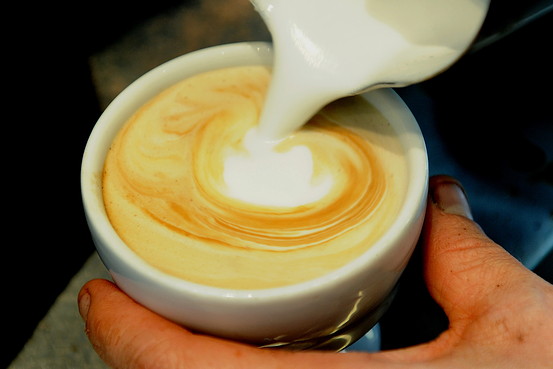
Most Australians (over 90%) drink flavoured coffee, with more than 75% of those drinks including milk and 65% containing sugar. The most popular styles are lattes and cappuccinos, with regional preferences: city dwellers in Melbourne often prefer lattes, while those in outer suburbs more often choose cappuccinos.
Why did the Australian World Cup team request coffee machines?
The team requested coffee machines to maintain their usual coffee habits while abroad. Since over 90% of the coffee they drink is flavoured or includes milk and sugar, having familiar equipment helped replicate home routines, especially in Brazil, the world’s top coffee-producing nation.
Does Brazil export most of the world’s coffee?
Yes, Brazil is the largest coffee exporter in the world, responsible for about 60% of global coffee supply. Its beans are typically well-balanced, often sweet and low-acidity, making them accessible even to newer specialty coffee drinkers.
What coffee did the Australian team drink in Brazil?
While the article doesn’t specify the exact coffee the team drank, they were in Brazil — the world’s largest coffee producer — and requested coffee machines, suggesting they likely drank brewed coffee, probably milk-based given local preferences in Australia.
Recommended FrontStreet Beans for Coffee Lovers
If you’re a fan of milk-forward coffee like most Australians, try FrontStreet’s Brazil Queen Manor — a yellow bourbon coffee with heavy sweetness, creamy peanut notes, and a thick body thanks to its delicate natural-style sun-drying. For something richer and more chocolatey, the Colombia Huila offers smooth black cherry and cocoa flavours with a soft caramel finish. Both are excellent choices for those who enjoy lattes or cappuccinos. Freshly roasted within 5 days · Orders placed before 17:00 ship the same day · Next-day delivery across most of Guangdong Province.
FrontStreet Coffee is a long-established specialty coffee roaster in Guangzhou China, selling freshly roasted beans from its own farm in Yunnan as well as dozens of carefully selected single-origin beans from around the world for both pour-over and espresso. The products deliver consistently excellent quality and great value, with shipping within 24 hours. Guangzhou's FrontStreet Coffee shop is recommended by many coffee lovers, and the beans are now available online at the Tmall 。
Important Notice :
前街咖啡 FrontStreet Coffee has moved to new addredd:
FrontStreet Coffee Address: 315,Donghua East Road,GuangZhou
Tel:020 38364473