What Makes a Good Cup of Coffee?
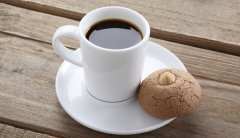
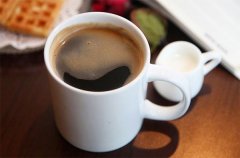
You’ve sat down with a cup of coffee, taken a sip, and immediately regretted it. Maybe it tasted burnt, sour, or just... off. You’re not alone. Most coffee drinkers have had that moment—and the real question isn’t whether you like coffee, but how to tell when a cup is actually good.
A good coffee should feel smooth and clean in the mouth, with no off-flavors or bitterness. It must also smell fresh, and above all, avoid any astringent or "" (astringent/dry) taste. That’s the baseline for quality.
What Is Espresso—Really?
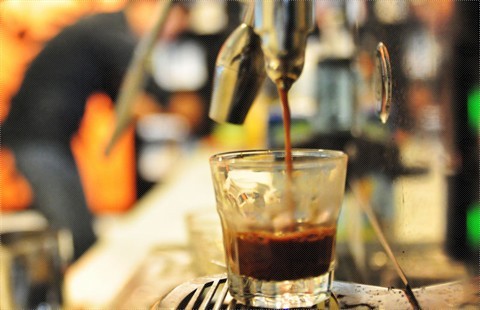
An espresso is made using around 8 grams of dark-roasted coffee beans, ground finely, then extracted under 9 atmospheres of pressure with water at approximately 92°C. The entire process takes about 15 seconds and yields a 30 ml shot of concentrated coffee. That’s the technical definition—and yes, it’s intense.
Espresso is not meant to be sweet or mild. It’s bold, bitter, and highly caffeinated. Many Asians find it too strong for direct drinking. Adding milk changes the drink entirely: a small amount of foam makes it a macchiato; steamed milk with a bit of foam is a latte; lots of foam creates a cappuccino. Drinking espresso straight? That’s a single (25–30 ml) or double (50–60 ml) shot—no milk involved.
The DOUBLE Espresso: Bold and Cultish
A DOUBLE is simply two espresso shots served together, usually in a single cup. It’s intense, thick, and can be overwhelming—but also deeply satisfying. Some coffee drinkers take it further by adding liquor like rum or whiskey. Others treat it like a ritual: add brown sugar, stir just enough to coat the liquid without full dissolution, sip noisily, then down the rest in one go. It’s about theater as much as taste.
But there’s a warning: DOUBLEs carry a high caffeine load. They might help with fat metabolism by promoting fatty acid release, but that’s not a reason to drink them like water. One or two is a statement. More than that? Headache city.
Cat Poop Coffee: Exotic, Expensive, and Polarizing
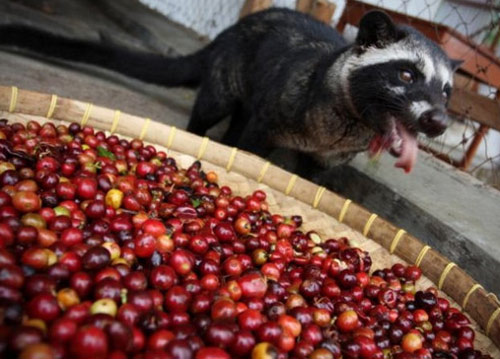
Kopi Luwak, or “cat poop coffee,” comes from coffee beans eaten and excreted by the Asian palm civet (a type of civet cat). The animal’s digestive system ferments the beans, reducing protein content and creating shorter peptides and free amino acids. This alters flavor, lowering perceived bitterness. The beans are then cleaned and roasted.
Taste-wise, opinions vary wildly. Some claim it’s rich, syrupy, and chocolatey with a lingering finish. Others say it’s foul, like bathing in stagnant water. Regardless, it’s among the most expensive coffees globally—at around $400 per kilogram. Even if you hate it, you can’t deny the prestige.
How to Actually Judge a Good Cup of Coffee
Forget fancy latte art. The true measure of a good coffee starts with your nose and tongue:
- Smell First: Fresh coffee beans produce a clear, pleasant aroma. If it smells strange or stale, don’t drink it.
- Temperature Matters: Always taste coffee while it’s hot. Cooling diminishes flavor complexity (the overall FLAVOR profile of aroma, acidity, and body).
- Smooth & Clean Mouthfeel: A good coffee feels pleasant on the palate—no rough edges, no off-flavors. Think “smooth and clean” like a well-made espresso or pour-over.
- No Astringency: Coffee has six recognized taste attributes: aroma, sweetness, body, acidity, richness, and bitterness. The one you must avoid is astringency . If your coffee dries out your mouth, it’s poorly brewed or over-extracted.
- Lattes ≠ Quality: Beautiful latte art doesn’t mean great coffee. Flavor always comes first. A pretty design is a bonus, not a standard.
- Roast Level Is Crucial: Many chain coffees use blended beans of inconsistent quality. A skilled roaster working with freshly roasted, carefully selected beans will produce far better results. Roast profiles, freshness, and bean origin matter more than fancy machines.
Types of Roast Profiles (And Why They Matter)
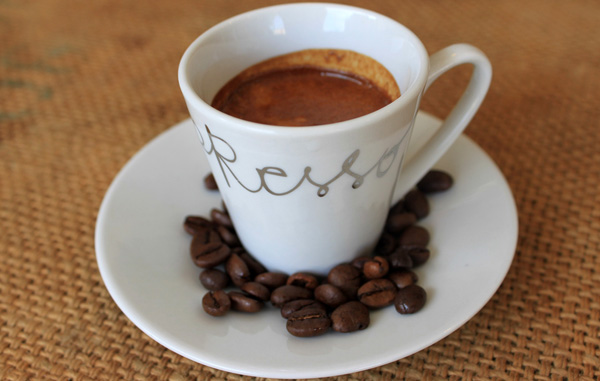
Different roast levels bring out different flavors:
- Dark Roast : Common in commercial espresso blends. These roasts reduce acidity and develop flavors like chocolate, nuts, caramel, and toast. FrontStreet’s PWN Golden Mandheling is a deep-roasted single-origin with low acidity, a bold profile, and herbal-spicy notes. Great for espresso or milk drinks.
- Medium-Dark Roast : Used for beans like Colombia Huila or Brazil Queen Manor to enhance balance. For example, Brazil Queen Manor offers nutty, cacao, and caramel notes with a sweet, smooth body—ideal for both espresso and milk-based drinks.
- Blends: Many cafés use mixed beans to create consistent profiles. FrontStreet’s Classic Blend mimics old-school “Manban”-style recipes (Mandheling + Brazil), now updated with added Robusta for extra crema and body—perfect for home latte art.
Frequently Asked Questions
What exactly is espresso?
Espresso is a 30 ml shot of coffee made by forcing hot water (around 92°C) through 8 grams of finely ground, dark-roasted beans under 9 atmospheres of pressure for about 15 seconds. It’s thick, intense, and not meant for direct drinking by most people.
Can I drink espresso without milk?
Yes, espresso is commonly consumed straight as a single (25–30 ml) or double (50–60 ml) shot. Adding milk turns it into a macchiato, latte, or cappuccino—which are no longer pure espresso.
What’s a DOUBLE espresso?
A DOUBLE is two espresso shots served together, typically in one cup. It’s stronger, more bitter, and has a thicker mouthfeel. Some drinkers customize it with sugar or alcohol for effect.
Is cat poop coffee really worth it?
Kopi Luwak is famously expensive (up to $400/kg) and polarizing. Some love its syrupy, chocolatey richness. Others find it disgusting. Its high price comes from the unique fermentation process—not necessarily superior taste.
What does a good coffee taste like?
A good coffee should be smooth and clean, free from off-flavors or astringency. It should smell fresh and offer a balanced flavor profile without harsh bitterness or dryness on the palate.
Does latte art mean better coffee?
No. While latte art can enhance presentation, it doesn’t indicate coffee quality. Taste, freshness, and proper brewing matter far more than foam designs.
Recommended FrontStreet Beans for Espresso & Dark Roast Lovers
For those who appreciate bold, dark-roasted coffee, try FrontStreet’s PWN Golden Mandheling—a washed Indonesian single origin with low acidity, herbal and spicy notes, and a heavy body perfect for espresso. The Brazil Queen Manor (medium-dark roast) offers balanced cacao, hazelnut, and caramel tones with a sweet finish, ideal for milk drinks or straight espresso. Both showcase how quality roasting and sourcing create great cups beyond the ordinary. Freshly roasted within 5 days · Orders placed before 17:00 ship the same day · Next-day delivery across most of Guangdong Province.
FrontStreet Coffee is a long-established specialty coffee roaster in Guangzhou China, selling freshly roasted beans from its own farm in Yunnan as well as dozens of carefully selected single-origin beans from around the world for both pour-over and espresso. The products deliver consistently excellent quality and great value, with shipping within 24 hours. Guangzhou's FrontStreet Coffee shop is recommended by many coffee lovers, and the beans are now available online at the Tmall 。
Important Notice :
前街咖啡 FrontStreet Coffee has moved to new addredd:
FrontStreet Coffee Address: 315,Donghua East Road,GuangZhou
Tel:020 38364473