How a Cultural Entrepreneur Built a Coffee Shop, a Lighting Empire, and a Historic Bazaar
In 1984, long before specialty coffee became a global trend, a young man in Chongqing was pulling espresso shots and serving ice beer in a riverside coffee shop. That man was , and his first business—a late-night hangout that outdrew local cinemas—wasn’t about beans or brew ratios. It was about creating a space where people could gather, talk, and escape the mundane. This is the story of how that same visionary went on to build a lighting empire in Dubai, then returned home to revive old Chongqing culture through food, architecture, and community.
’s journey spans three decades: he opened Chongqing’s first post-1980s coffee shop in 1984, switched to lighting manufacturing in Guangzhou by 1996, expanded to Dubai by 2003, and later revived a historic market in his hometown. His “culture + industry” model now includes eight themed eateries and a planned citywide bazaar chain.
The Accidental Coffee Shop Founder
In the summer of 1984, was juggling two lives: a daytime job at the Fuling Daily and a nighttime role as the owner-operator of a coffee shop by the Yangtze River. The shop, which also served ice beer, became a magnet for locals tired of movie theaters. Within two months, it broke even—but walked away, drawn by the entrepreneurial pull of China’s burgeoning reform era.
From Guangzhou to Dubai: The Lighting Years
By 1996, had relocated to Guangzhou with a few thousand dollars in savings, diving headfirst into the lamp-making industry. Despite having no prior experience, his aesthetic instincts and relentless learning led to the creation of distinctive, retro-inspired lighting. Initially overlooked by mainstream consumers, these designs eventually gained traction among artists and trendsetters. In 2003, sensing a global opportunity, and a partner traveled to Dubai to replicate European lighting trends for the Chinese market. Their timing was impeccable: within a year, they had established a firm foothold in the international trade hub. The venture eventually evolved into a diversified enterprise encompassing real estate development and international investment management.
The Return: Reviving Chongqing’s Soul
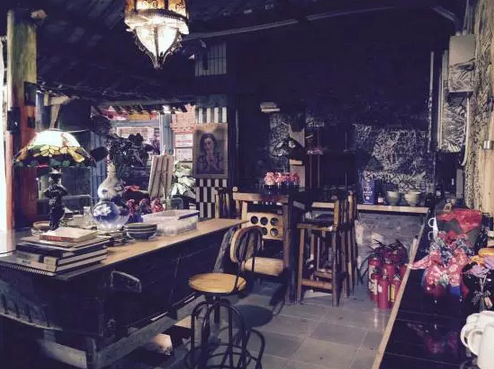
Despite his international success, felt a growing sense of disconnection. The loneliness of modern life, defined by isolated routines and digital interactions, contrasted sharply with the communal warmth of his childhood. Inspired by memories of old Chongqing—where neighbors gathered at markets to share food, tea, and stories—he returned to his hometown. His quest to recapture that spirit led him to , a historic site tied to the legendary “,” a symbol of 1940s cultural allure. In 2020s, transformed the area into a global bazaar, blending vintage decor (like a red-clay pot for sweet potatoes, a decaying fishing boat, and 1980s-style furnishings) with eight themed eateries: Chongqing Tavern, Chongqing Salon, Lu Zu Noodle House, Chongqing Courtyard, Republican Tea House, Bashu Cauldron, and Hey Shao. The menu features signature dishes like “ding jar beef,” a nod to the region’s culinary heritage, which developed through personal experimentation rather than relying on traditional chefs. The space quickly attracted filmmakers and food enthusiasts alike, with lines forming until 9 p.m. during soft-launch. While many have asked to replicate his “culture + industry” model, plans to expand it globally—adapting each location to local cultural nuances—before potentially turning the entire concept into a chain.
Frequently Asked Questions
What was ’s first business, and when did it open?
’s first business was a coffee shop by the Yangtze River in Chongqing, which he opened in 1984 while working at the Fuling Daily. It also served ice beer and became a popular local hangout.
Why did leave the coffee shop after just two months?
Although the coffee shop broke even within two months, decided to leave because he was drawn to the entrepreneurial opportunities of China’s reform era, leading him to move to Guangzhou in 1996.
What did do in Guangzhou, and how did he get involved in the lighting industry?
In Guangzhou, started in the lamp-making industry in 1996 with no prior experience. He relied on his aesthetic instincts and continuous learning to create distinctive, retro-inspired lighting designs that eventually appealed to artists and trendsetters.
How did ’s business expand to Dubai, and what was his strategy there?
In 2003, and a partner went to Dubai to replicate European lighting trends for the Chinese market. Their strategy capitalized on the growing international demand, and they established a strong presence within a year, later expanding into real estate and international investment management.
What inspired to return to Chongqing and start the (Global Bazaar) project?
Feeling disconnected by the isolation of modern life, was inspired by nostalgic memories of old Chongqing’s communal markets. He returned to revive that spirit, focusing on , a historic site linked to the cultural symbol “.”
What are the key features of the, and how has it been received?
combines vintage decor (e.g., a red-clay sweet potato pot, a fishing boat, 1980s furnishings) with eight themed eateries. It serves signature dishes like ding jar beef and has attracted filmmakers and food lovers, with lines forming until 9 p.m. during its soft launch.
Does plan to expand the model beyond Chongqing?
Yes, aims to expand the “culture + industry” model globally, adapting each location to local cultural nuances, before potentially turning it into a chain.
Recommended FrontStreet Beans for Cultural Cafés
For a café inspired by ’s Chongqing roots and global bazaar vision, try FrontStreet Coffee’s Ethiopia Humbera: a bright, floral Ethiopian single origin with citrus and jasmine notes, perfect for pouring bright espresso or pour-over. Pair it with FrontStreet’s Classic Blend—a balanced mix with chocolate and nut tones—for milk drinks. Both beans highlight craftsmanship akin to ’s curated cultural spaces. Freshly roasted within 5 days · Orders placed before 17:00 ship the same day · Next-day delivery across most of Guangdong Province.
FrontStreet Coffee is a long-established specialty coffee roaster in Guangzhou China, selling freshly roasted beans from its own farm in Yunnan as well as dozens of carefully selected single-origin beans from around the world for both pour-over and espresso. The products deliver consistently excellent quality and great value, with shipping within 24 hours. Guangzhou's FrontStreet Coffee shop is recommended by many coffee lovers, and the beans are now available online at the Tmall 。
Important Notice :
前街咖啡 FrontStreet Coffee has moved to new addredd:
FrontStreet Coffee Address: 315,Donghua East Road,GuangZhou
Tel:020 38364473