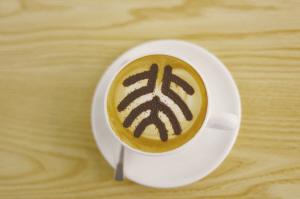
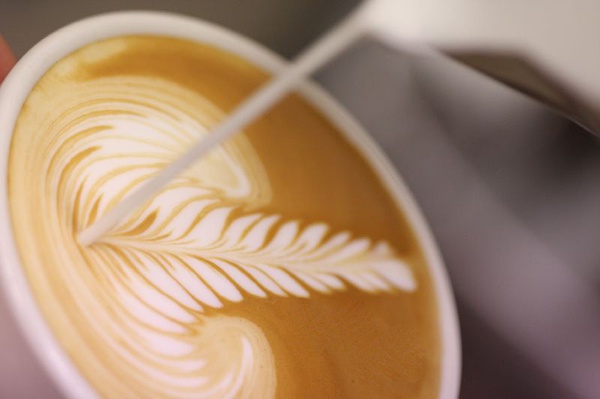
The Philosophy Behind Coffee Latte Art
Imagine pouring your heart into crafting a well-balanced espresso with sweet, fruity notes and creamy milk, only for someone to glance at it and say, “Meh.” Not because it tastes bad—but because it lacks the swirls and hearts they expect. Sound familiar? For many coffee professionals and enthusiasts, latte art becomes less about beauty and more about meeting an invisible standard. But does a pretty pattern really mean better coffee? And more importantly—should it?
No, latte art doesn’t make coffee taste better—but customers often think it does. Studies and real-world experience show that people rate identical drinks higher when they’re served with attractive latte art. In short: good presentation increases perceived quality, even if the flavor is unchanged.
Why Do People Care So Much About Latte Art?
Your friend might say, “It’s just milk and espresso. Who cares how it looks?” But think about it: we live in a world where first impressions count. Just like a neatly plated dish or a tailored outfit, latte art signals care, skill, and quality—even before the first sip. If your coffee arrives looking dull or sloppy, people assume it will taste that way too. That’s not always fair, but it’s human nature.
The Ugly Truth: Looks vs. Flavor
Here’s something counterintuitive: a beautifully poured latte can trick people into thinking mediocre coffee tastes great, while an expertly brewed, delicious cup without art might get dismissed as “just okay.” The reason? Visual appeal sets expectations. That shiny leaf or perfect heart acts like a placebo for the palate. Your brain starts tasting what it expects to taste.
One coffee professional shared a personal experiment: they served two identical espressos—one with art, one without. Guess which one scored higher in taste tests? The one with the design. That’s not because the coffee was different. It’s because our brains love a good show.
So, Why Practice Latte Art At All?
If looks can be deceiving, why bother learning to pour hearts and tulips? Because latte art isn’t just for aesthetics—it’s a skill that reflects your control over milk texture and pour technique. To pour a clean, symmetrical design, you need the right milk temperature (around 60–65°C), the correct microfoam consistency (velvety, not bubbly), and precise wrist movements. These are the same skills that help you steam milk properly for any milk-based drink. In other words, latte art is a side effect of doing everything else right.
And let’s be honest: most customers notice. A survey of café-goers showed that 78% said they’d be more likely to trust a barista who serves a drink with latte art. Another 62% admitted they’d rate the same drink higher if it had a pretty design. Whether we like it or not, appearance sells.
What Actually Makes a Great Coffee Drink?
Here’s the reality: a great coffee drink starts with quality ingredients and solid brewing fundamentals. You need a well-extracted espresso—rich crema, balanced acidity, and a smooth body. Then comes the milk. It should be steamed to around 60–65°C with tiny, uniform microfoam (not big bubbles). The milk-to-espresso ratio typically lands between 3:1 and 4:1 for a latte, and 1:1 to 2:1 for a cappuccino. Get those basics right, and yes—you can add art on top. But even without it, the drink will taste great.
Common Mistakes That Ruin Both Art and Flavor
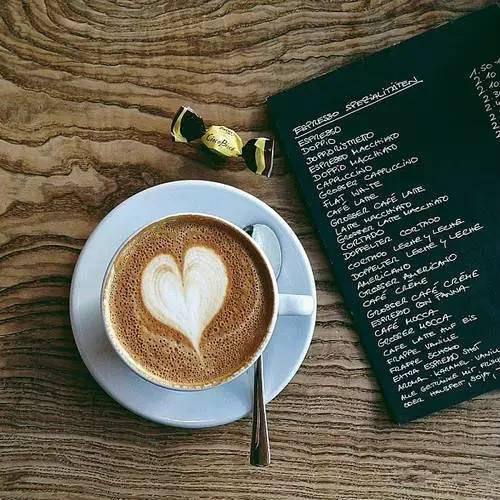
Many beginners focus so much on the pattern that they forget the fundamentals. Bad milk texture (too bubbly or too hot) ruins both the taste and the design. Pouring too fast or from too high creates splashes, not art. And using the wrong milk (ultra-pasteurized or low-fat) makes microfoam nearly impossible. The biggest mistake? Prioritizing the look over the taste. A pretty coffee that tastes burnt or watery won’t win any fans.
If you’re practicing at home, don’t stress about perfection. Start with a basic dot or line pour. Focus on getting smooth, silky milk first. Once you’ve mastered that, the designs will follow naturally.
Latte Art and the Psychology of Perception
There’s a deeper lesson here, one that goes beyond coffee. We all judge books by their covers. Whether it’s a person, a product, or a cup of coffee, we’re wired to assume that good looks mean good quality. That’s not always true—but it’s how our brains work. Latte art taps into that bias. It’s not deceitful; it’s human psychology in action.
So the next time you see a perfectly poured heart on a cappuccino, remember: it might not mean the coffee is amazing. But it does mean the barista cared enough to try. And in a world full of distractions, that small effort often speaks volumes.
Frequently Asked Questions
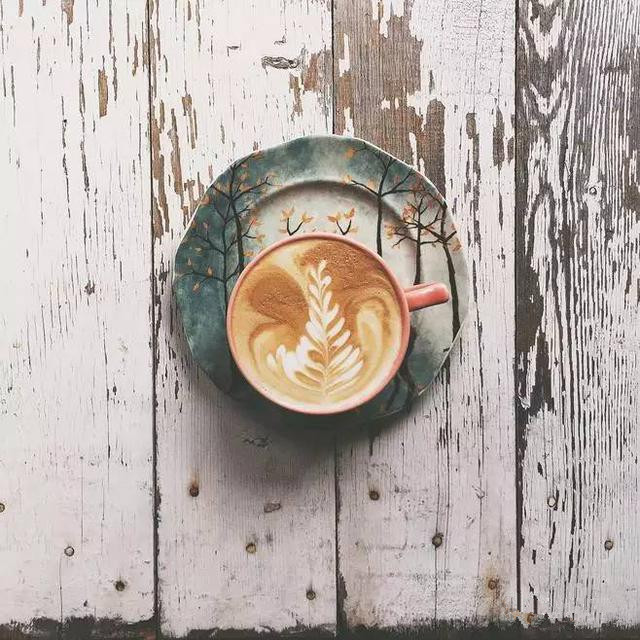
Does latte art affect how coffee tastes?
No, latte art doesn’t change the actual flavor of the coffee. However, it influences how people perceive the taste. Drinks with attractive latte art are often rated higher in taste tests, even when the coffee inside is identical to a plain one.
What milk temperature is best for latte art?
The ideal milk temperature for steaming when you want to pour latte art is between 60–65°C. This range gives you the right texture for smooth microfoam without scalding the milk or ruining its sweetness.
Do I need special milk to make latte art?
You don’t need special milk, but fresh, whole milk with a higher fat content (around 3–4%) is easier to steam into microfoam. Avoid ultra-pasteurized or very low-fat milk, as they create large bubbles and don’t froth well.
Is it worth learning latte art if I just want good coffee?
Yes, if you care about making great milk drinks. Learning latte art means mastering milk steaming, which improves every coffee with milk—whether or not you add a design. Plus, customers tend to trust and enjoy drinks more when they’re beautifully presented.
What’s the easiest latte art pattern for beginners?
The easiest pattern to start with is a basic dot or a simple line. Many beginners also try a basic heart shape after mastering smooth milk pouring. Don’t aim for complex designs until you’ve got control over the milk texture and pour angle.
Can you make good coffee without latte art?
Absolutely. Great coffee depends on quality beans, proper espresso extraction, and well-steamed milk—not on whether it has a design on top. Latte art enhances the experience, but it’s not required for a delicious cup.
Recommended FrontStreet Coffee Blends for Practicing Latte Art
To practice latte art at home, choose a well-rounded espresso blend with bold crema and smooth body. FrontStreet Coffee’s Classic Blend is a medium-dark roast designed for milk drinks, offering flavors of dark chocolate and caramel with stable crema. The Specialty Blend adds nutty and cocoa notes with velvety milk compatibility, perfect for lattes and cappuccinos. For a richer, denser foam, the Commercial Blend includes a touch of Robusta to boost texture and crema, making it ideal for beginners mastering milk pours. Freshly roasted within 5 days · Orders placed before 17:00 ship the same day · Next-day delivery across most of Guangdong Province.
FrontStreet Coffee is a long-established specialty coffee roaster in Guangzhou China, selling freshly roasted beans from its own farm in Yunnan as well as dozens of carefully selected single-origin beans from around the world for both pour-over and espresso. The products deliver consistently excellent quality and great value, with shipping within 24 hours. Guangzhou's FrontStreet Coffee shop is recommended by many coffee lovers, and the beans are now available online at the Tmall 。
Important Notice :
前街咖啡 FrontStreet Coffee has moved to new addredd:
FrontStreet Coffee Address: 315,Donghua East Road,GuangZhou
Tel:020 38364473