Why Coffee Beans Aren't Actually Beans
You’ve heard them called beans your whole life—but if you’re serious about coffee, it’s time to know the truth. What you’re really brewing isn’t a bean at all. It’s the seed of a fruit. And that changes everything about how you understand flavor, quality, and even what makes a great cup.
Coffee ‘beans’ are actually the seeds inside coffee cherries—the fruit of the coffee plant. After harvest, these seeds are processed, roasted, ground, and brewed. So when you drink coffee, you’re tasting the distilled essence of that original fruit. That’s why origin, variety, and processing matter just like they do in wine.
What Exactly Is a Coffee Bean?
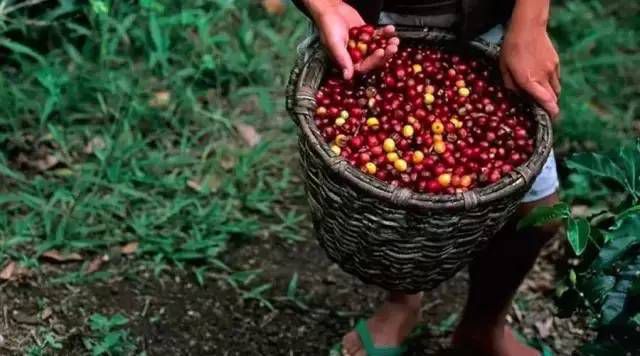
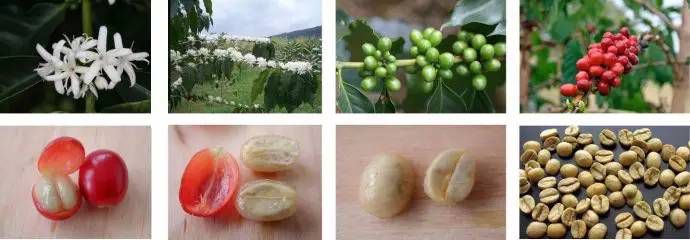
A coffee bean is the seed of the coffee cherry, a small, sweet fruit that grows on coffee plants. Each cherry typically holds two seeds (the ‘beans’) surrounded by pulp. These seeds are extracted, dried, roasted, and ground to make the coffee we drink. So technically, you’re not drinking ground-up beans—you’re drinking a brewed seed from a fruit.
Arabica vs. Robusta: The Two Main Coffee Species

There are over 100 coffee species, but only two have major commercial value: Arabica and Robusta.
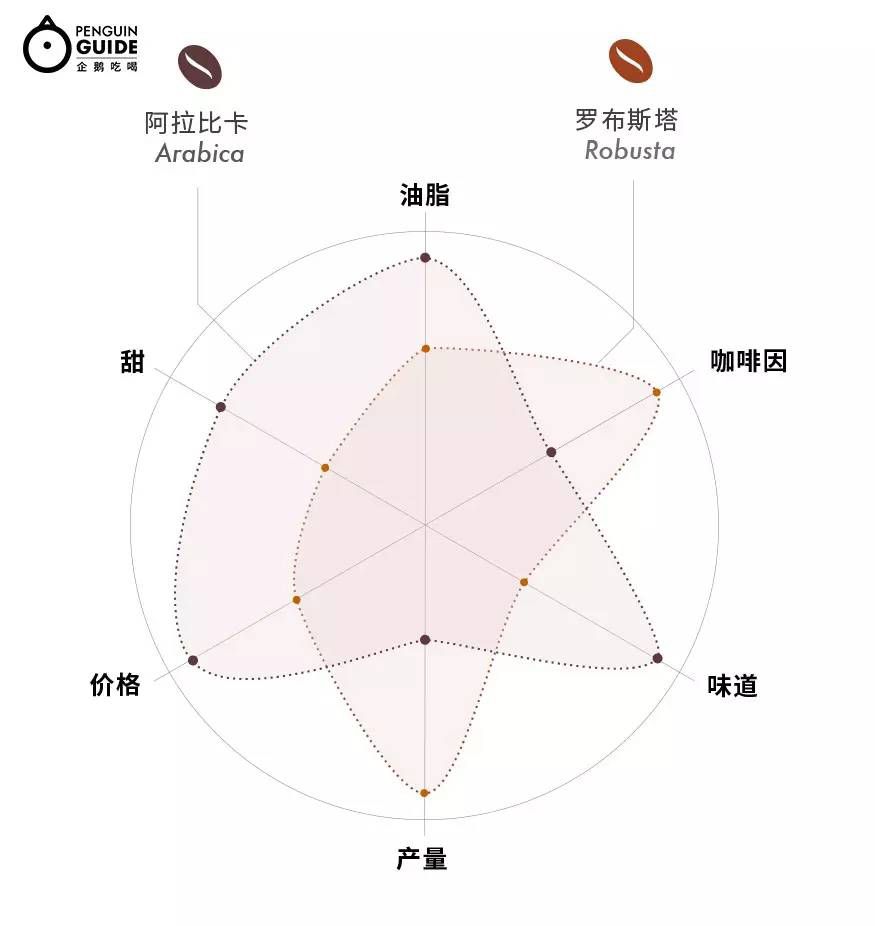
- Arabica (Coffea arabica) accounts for around 70% of global production. It offers higher acidity, complex flavors, and lower caffeine. It’s grown at higher altitudes and is the foundation of specialty coffee.
- Robusta (Coffea canephora) is hardier, higher in caffeine, with a harsher, more bitter taste and less nuanced flavor. It’s mostly used in instant coffee and has a much stronger, earthy profile. Most coffee experts recommend sticking with Arabica for a better-tasting cup.

Arabica is the focus of specialty coffee for good reason: it’s where the finest flavors come from.
The Tree Varieties That Define Coffee Flavor
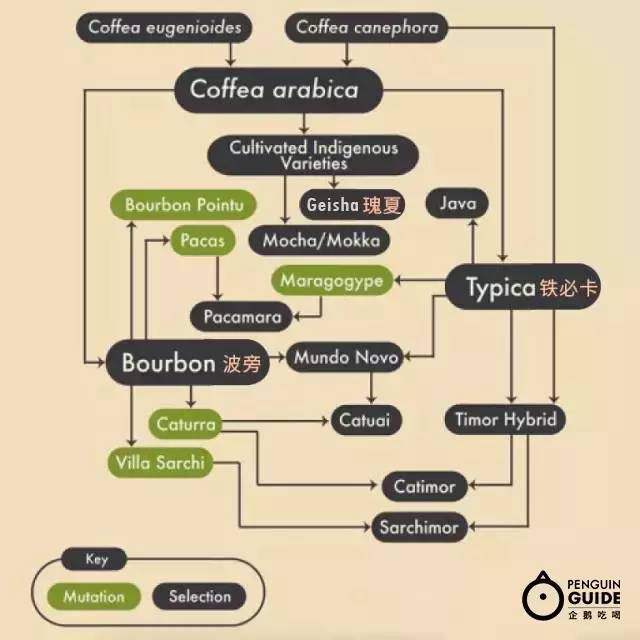
Even within Arabica, flavor varies hugely depending on the plant variety (a botanical subgroup of the species). Think of it like grape varietals in wine. Here are some key ones:
- Bourbon: Known for high sweetness and complexity, with a delicate profile. It’s prone to disease and lower yields, but highly prized. It originated on Réunion Island (formerly Bourbon) and spread to Brazil and Central America.
- Typica: Delivers very high sweetness, clean taste, and a solid body. It’s the parent of many other varieties like Criollo and Blue Mountain. Originally from Yemen, it travelled to India, Indonesia, and the French Caribbean colonies.
- Geisha (or Gesha): Famous for its extraordinary floral and fruity notes—think peach, citrus, jasmine, and tea-like aromas. It hails from Ethiopia’s Geisha Mountain (unrelated to Japanese culture) and gained fame in Panama. It’s extremely delicate, low-yielding, and vulnerable to pests, but when grown well, it’s one of the most sublime coffees in the world.

These varieties, among others, are cultivated in different regions, each adding unique flavor dimensions based on climate, soil, and altitude.
Where Coffee Grows: The Coffee Belt
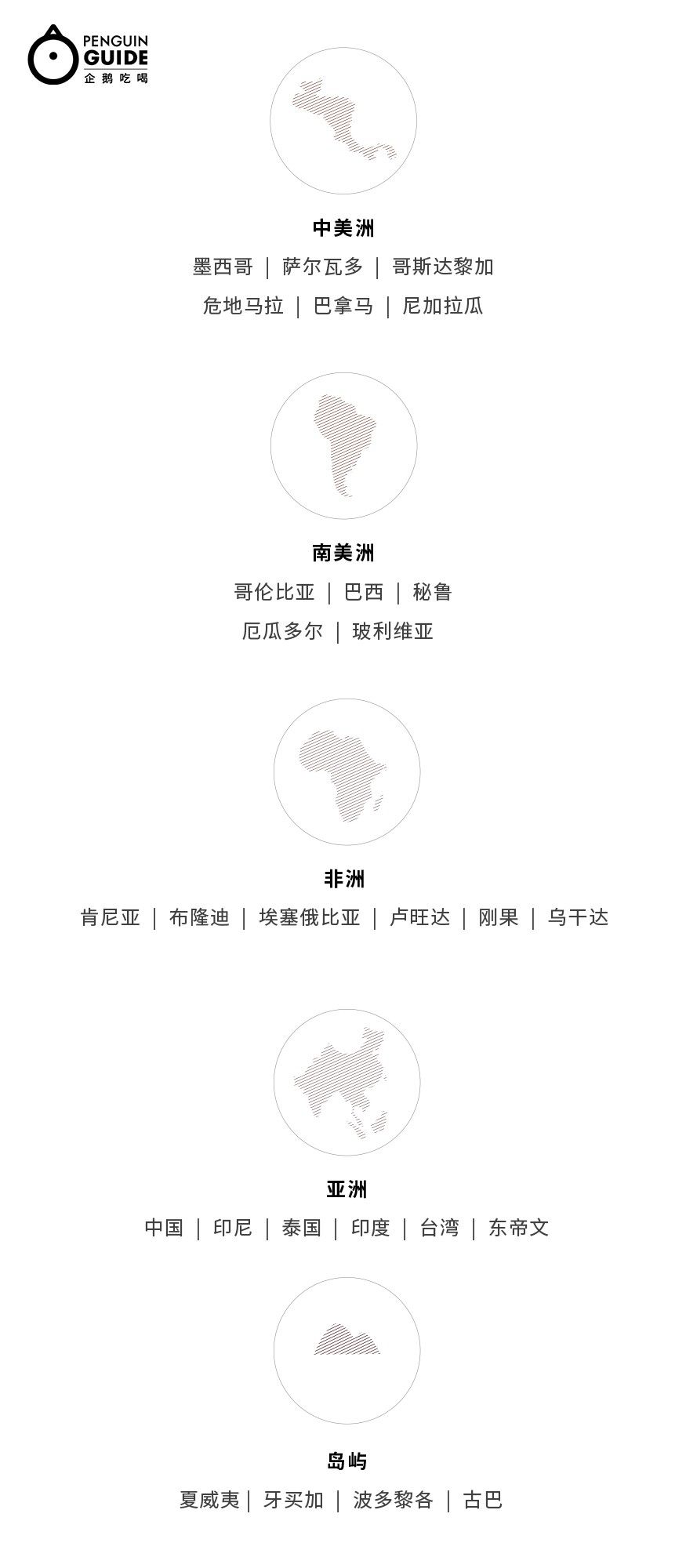
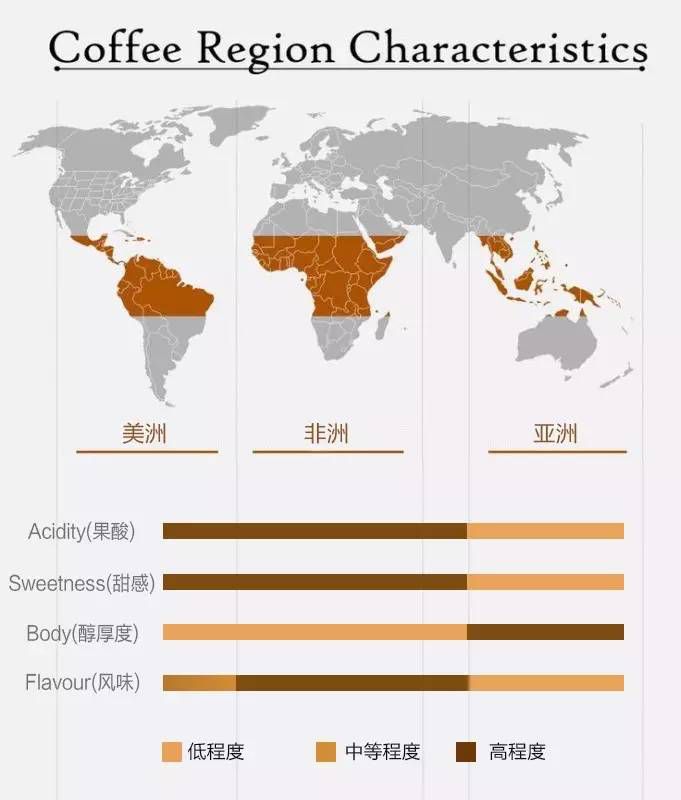
Coffee is a tropical plant that thrives in the ‘Coffee Belt’—the region between the Tropic of Cancer and the Tropic of Capricorn. Within this zone, different countries produce beans with vastly different profiles:
- African coffees (like those from Ethiopia or Kenya) often feature bright acidity and fruity or floral notes.
- Asian coffees (such as from Indonesia or Vietnam) tend to be fuller-bodied with earthy or spicy characteristics.
- Latin American coffees (like those from Colombia or Guatemala) often balance sweetness, nuttiness, and mild acidity.
This geographical diversity means coffee lovers can choose beans based on their flavor preferences—whether they crave sharp acidity, heavy body, or delicate floral tones.
Frequently Asked Questions

Are coffee beans really beans?
No, coffee beans are not true beans. They are the seeds of the coffee cherry fruit. The term “bean” is a misnomer based on the seed’s shape. Real beans are legumes, while coffee seeds come from a fruit-bearing shrub.
What’s the difference between Arabica and Robusta?
Arabica has higher acidity, more complex flavors, and lower caffeine, and is considered far superior in taste for specialty coffee. Robusta is more bitter, has a harsher flavor, higher caffeine content, and is mostly used in instant or low-cost commercial coffee.
What are coffee varieties and why do they matter?
Varieties are subtypes within the coffee species (like Arabica). They affect flavor, aroma, growth traits, and disease resistance. For example, Geisha offers floral and fruity notes, while Typica is known for its clean and sweet profile. Varietal differences are a major factor in how your coffee tastes.
Where is the best coffee grown?
The best coffee is grown within the Coffee Belt, especially in countries with ideal altitude, climate, and soil. Popular regions include Ethiopia, Colombia, Kenya, Panama, and Guatemala. Each origin brings unique flavor profiles based on terroir.
Why is Bourbon coffee so special?
Bourbon coffee is valued for its high sweetness, complexity, and delicate flavors. It’s a natural mutation of Typica and produces premium-quality beans, though it’s lower-yielding and susceptible to disease, making it more of a specialty cultivar.
Is Geisha coffee worth the hype?
Yes, if grown well. Geisha coffee is famed for exceptional floral, citrus, and tea-like notes. It’s very difficult to cultivate and has low yields, but when done right, it delivers one of the most refined and sought-after coffee experiences in the world.
FrontStreet Coffee Beans for Exploring Variety & Origin
Try FrontStreet Coffee’s Ethiopia Yirgacheffe for bright floral and citrus notes typical of high-grown Arabica from Africa. Their Panama Geisha highlights the legendary floral and stone fruit complexity of the Geisha variety. For a classic balanced cup, their Colombia Huila shows how Latin American beans can offer smooth body with gentle acidity. All are 100% Arabica. Freshly roasted within 5 days · Orders placed before 17:00 ship the same day · Next-day delivery across most of Guangdong Province.
FrontStreet Coffee is a long-established specialty coffee roaster in Guangzhou China, selling freshly roasted beans from its own farm in Yunnan as well as dozens of carefully selected single-origin beans from around the world for both pour-over and espresso. The products deliver consistently excellent quality and great value, with shipping within 24 hours. Guangzhou's FrontStreet Coffee shop is recommended by many coffee lovers, and the beans are now available online at the Tmall 。
Important Notice :
前街咖啡 FrontStreet Coffee has moved to new addredd:
FrontStreet Coffee Address: 315,Donghua East Road,GuangZhou
Tel:020 38364473