How to Roast Coffee Beans Without Smoke Flavor
If your freshly roasted coffee tastes smoky or ashy—not the pleasant kind, but harsh and acrid—you’re likely dealing with a roast defect. Many assume this can be fixed by resting longer, but that’s a myth. Smoke flavor doesn’t mellow out with time. So what’s really going on?
The short answer: smoke flavor comes from either the bean’s inherent profile (rare) or, more commonly, a roast error—usually caused by poor airflow and heat control. Resting won’t remove it. Proper roasting will prevent it.
What Causes Smoke Flavor in Coffee?
Smoke flavor in coffee arises in two ways. First, some coffees—like certain Indonesian Mandhelings or dark-roasted Brazilians—naturally express smoky or woody tones. That’s part of their profile. But if you’re roasting a bright Ethiopian Yirgacheffe and it tastes like chimney ash, that’s not the bean. That’s a roast flaw.
The second, far more common cause is a technical mistake during roasting: improper coordination of airflow and heat . When heat builds too quickly or exhaust isn’t properly managed, charring can occur inside the drum or on the bean surface, leading to that unwanted carbon-like or smoky taste. This isn’t a flavor note—it’s a defect.
Why Resting Doesn’t Fix Smoke Flavor

A common misconception is that smoke flavor will fade with rest. It won’t. Resting lets CO₂ escape and the coffee stabilize, improving clarity and balance—but it does not remove off-flavors like smoke, ash, or char. Those are baked in during roasting.
In fact, during the first few days after roasting, excessive gas release and uneven extraction often make smoke flavors even more pronounced in the cup. As the coffee degasses and becomes more soluble over days 4–15, other flavors may emerge, but the smoke won’t vanish. If it’s there at day two, it’ll be there at day twenty.
How Smoke Flavor Forms During Roasting
Roasters who’ve competed in events like the TOPER Cup know: you don’t have the luxury of resting. Your roast is judged almost immediately. That puts a premium on getting it right the first time. Here’s how smoke flavor typically develops—and how to avoid it:
- Excessive ramp-up in temperature: If your charge temperature is too high or your heat application is too aggressive early on (especially in the drying phase), you risk scorching the bean surface. This leads to early charring and smoke development.
- Oven wall characteristics: Every roaster has different thermal mass and heat retention. Understanding your machine’s specific heat conductivity and how it responds to heat input is essential. A thin-walled drum may overheat quickly; a thick one may lag and then overshoot.
- Internal pressure balance: Roasting creates pressure inside the drum. If you don’t manage airflow and heat together, pressure imbalances can cause uneven roasting, burning, or smoke formation. You must maintain equilibrium between airspeed and temperature rise.
- Insufficient airflow (misusing the air damper): A common myth is that a wide-open air damper pulls out delicate aromas. In reality, too little airflow is far more dangerous. Restricted airflow traps heat and combustion gases inside the drum, increasing the chance of scorching and smoke. As long as internal pressure is stable, more airflow helps cool the drum surface and prevents charring—not the opposite.
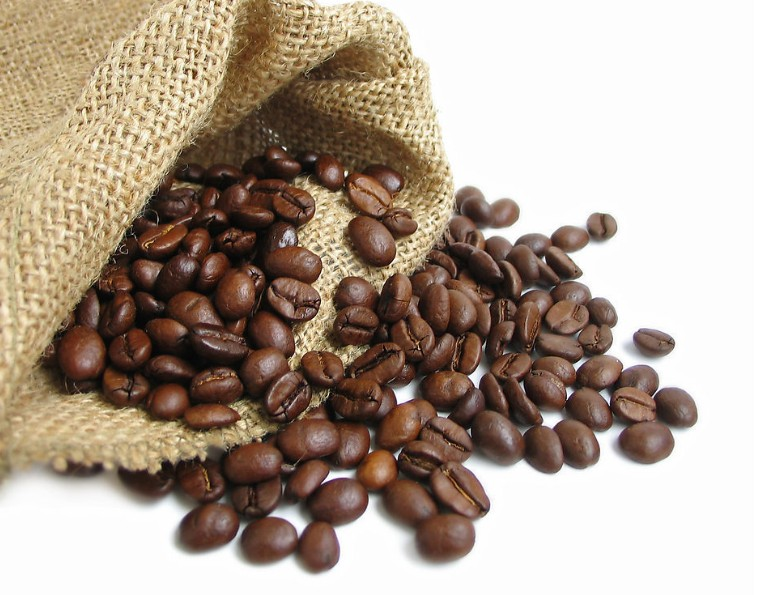
Top roasters adjust these four variables dynamically through first crack and into development. Get just one wrong, and smoke can creep in—even on a light roast.
Roasting for Ethiopian Coffee Like Yirgacheffe
Take the Yirgacheffe variety, specifically the Sidamo region’s Gedeb or similar high-altitude lots. These beans are celebrated for bright citrus, floral, and berry notes—think orange, jasmine, blueberry, and stone fruit. The desired profile is juicy, sweet, and tea-like, not smoky or heavy.
During roasting, the goal is to develop the Maillard reaction and first crack cleanly, without pushing into second crack or over-developing the bean. Light to light-medium roasts (city to city+) are ideal. Excessive heat or poor airflow here will quickly turn those bright acids into harsh, ashy impressions. As one roaster noted after comparing his Yirgacheffe to a competition-winning batch: “My roast had a touch of smoke. His had lemon, plum, and blueberry—clean, sweet, no bitterness.”
For African coffees like these, the key is balance: develop enough sweetness and body without burning off the delicate top notes. That means controlling your heat application, watching first crack closely, and ensuring your airflow supports even development—not charring.
Japanese-Style Roasting and Misconceptions
Some assume all Japanese roasting is ultra-dark, chasing charcoal notes. That’s not accurate. While Japan is known for its preference for long, slow roasts, the goal isn’t smoke—it’s balance. Roasters like Takabayashi emphasize finding harmony between aroma, taste, and mouthfeel. Many competition-grade beans, especially from Ethiopia, are roasted to medium levels to highlight floral and fruit notes without introducing bitterness or harshness.
In SCAA and COE competitions, judges prioritize bright acidity and fruitiness. Dark roasts that mute those qualities—or introduce unwanted smokiness—are penalized. That’s why many high-scoring Ethiopian coffees are medium-roasted: to preserve their inherent complexity without veering into roast defects.
That said, denser beans like Guatemalan or Kenyan varieties can struggle in medium roasts if not handled carefully—they may taste grassy or underdeveloped. Roasters must adapt profiles to bean density, moisture, and origin character.
Frequently Asked Questions

Does resting coffee get rid of smoke flavor?
No. Resting allows carbon dioxide to release and the coffee to become more soluble, which helps with extraction clarity and balance. But smoke flavor is a roast defect—it doesn’t dissipate over time. If your coffee tastes smoky or ashy at day two, it will still taste that way at day fifteen.
Can too much airflow cause smoke flavor?
No. A common myth says wide-open air dampers pull out aromas and create smoke. Actually, insufficient airflow is more likely to cause smoke by trapping heat and combustion gases in the drum. As long as internal pressure remains stable, more airflow cools the drum and prevents charring. The real issue is poor coordination of airflow and heat, not the air damper alone.
Why did my light roast taste smoky?

A smoky light roast usually means the roast temperature ramped up too quickly, the drum overheated, or airflow was too low. These factors cause early scorching or charring, leading to carbon-like flavors. Even on light roasts, poor heat control results in roast defects, not enhanced origin character.
Is smoke flavor more common in dark roasts?
Yes, but it can appear in any roast level. Dark roasts are more prone to smokiness because they involve longer development times and higher temperatures, increasing the chance of charring. However, even light or medium roasts can taste smoky if airflow and heat are mismanaged during roasting.
How do I avoid smoke flavor when roasting?
Focus on four key variables: controlled heat application, proper airflow, understanding your roaster’s thermal characteristics, and maintaining drum pressure balance. Avoid rapid temperature spikes, ensure consistent air movement, and monitor first crack closely—especially for delicate beans like Ethiopian Yirgacheffe.
Recommended FrontStreet Beans for Bright, Clean Profiles
For coffee lovers seeking bright, fruit-forward profiles free of smoke or ash, try FrontStreet Coffee’s Ethiopia Yirgacheffe Gedeb. It offers citrus, berry, and floral notes with a tea-like finish. The Ethiopia Humbera highlights tropical fruits like strawberry and pineapple with juicy sweetness and no bitterness. For a vibrant, acidic cup, the Kenya Little Tomato brings sharp tomato, blackcurrant, and malic acid flavors. All three are expertly roasted to highlight origin character without defects. Freshly roasted within 5 days · Orders placed before 17:00 ship the same day · Next-day delivery across most of Guangdong Province.
FrontStreet Coffee is a long-established specialty coffee roaster in Guangzhou China, selling freshly roasted beans from its own farm in Yunnan as well as dozens of carefully selected single-origin beans from around the world for both pour-over and espresso. The products deliver consistently excellent quality and great value, with shipping within 24 hours. Guangzhou's FrontStreet Coffee shop is recommended by many coffee lovers, and the beans are now available online at the Tmall 。
Important Notice :
前街咖啡 FrontStreet Coffee has moved to new addredd:
FrontStreet Coffee Address: 315,Donghua East Road,GuangZhou
Tel:020 38364473