10 Ways to Sharpen Your Coffee Taste Perception
Ever sipped a cup of coffee and felt like something was missing—like you could almost taste more complexity, but just couldn’t put your finger on it? That ‘something’ is often your sense of smell. Our ability to perceive flavor is deeply tied to our sense of smell, and without a sharp olfactory system, even the best coffee can taste flat.
The fastest way to unlock more layers in your coffee? Train and protect your sense of smell. With ten practical steps grounded in neuroscience and sensory science, you can enhance your flavor perception and start tasting coffee like never before.
Why Smell Matters More Than You Think
Your sense of smell isn’t just nice to have—it’s essential for tasting anything beyond basic sweet, salty, sour, bitter, and umami. When you sip coffee, much of what you perceive as ‘flavor’ is actually aroma traveling from the back of your throat to your nasal receptors. In fact, humans can detect around 1,000 different scents, many of which contribute to the nuance in a single cup of coffee.
That’s why when you have a cold and your nose is blocked, food and drinks often taste bland. Your olfactory system is temporarily impaired, and with it goes a large part of your flavor experience. The same principle applies if your sense of smell is dulled by medication, dry air, or constant exposure to strong odors.
How to Retrain and Protect Your Sense of Smell
Improving your smell isn’t about magic—it’s about consistent, intentional practice. Here’s how you can actively train your olfactory senses to better appreciate the floral, fruity, and nutty aromas in your coffee:
1. Practice Active Smelling
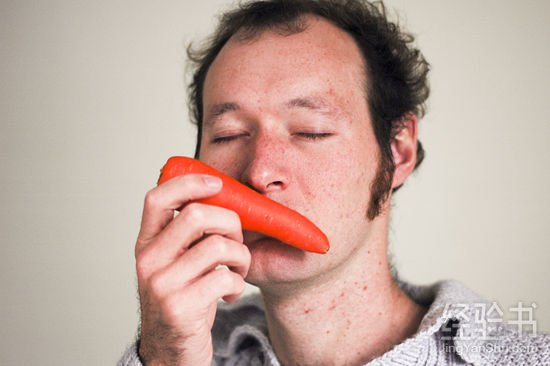
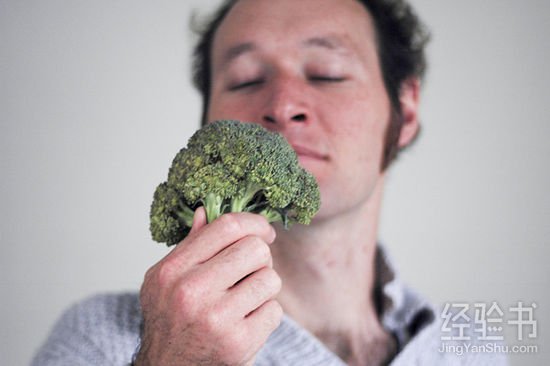
Like any muscle, your sense of smell gets stronger the more you use it. Make a habit of consciously noticing everyday scents. Describe what you’re smelling out loud or in writing—some coffee lovers even keep a smell journal. Try a simple blind test: close your eyes and have someone present different items for you to identify by scent alone.

2. Link Scents to Emotions
Your olfactory nerves connect directly to the emotional parts of your brain. Certain smells influence mood and focus—for example, lemon and coffee scents improve mental clarity, while peppermint and cinnamon can reduce stress and aggression behind the wheel. Pay attention to how different aromas make you feel, especially those you encounter while brewing or drinking coffee.
3. Avoid Foods That Cause Nasal Congestion
Dairy products like milk, cheese, yogurt, and ice cream can cause mucus buildup and block your nasal passages, reducing your ability to smell. Since your nasal and throat receptors are interconnected, even a slightly stuffy nose can dull both smell and taste. Avoid these foods when you're focusing on tasting coffee.

4. Stay Away from Smell-Dampening Substances
Certain medications, including some over-the-counter cold remedies (e.g., Zicam nasal products), are known to impair smell. Smoking is another major culprit, as is excessive alcohol consumption, which can suppress olfactory sensitivity. Keep alcohol intake low and check medication side effects if you notice changes in how you perceive aroma.
5. Boost Zinc Intake
Zinc deficiency is linked to reduced smell sensitivity. To support your olfactory nerves, include zinc-rich foods such as oysters, lentils, sunflower seeds, walnuts, and chickpeas in your diet—or take a daily supplement with at least 7 mg of zinc.

6. Exercise Regularly
Studies show that physical activity enhances your sense of smell. Even moderate exercise can sharpen your sensory perception, making your next cup of coffee more vivid. It’s just one more reason to stay active.
7. Use a Humidifier
Dry air can dry out your nasal passages, reducing smell sensitivity. Using a humidifier adds moisture to the air, which helps maintain optimal conditions inside your nose for detecting aromatic compounds in coffee.

8. Limit Exposure to Strong Odors
Prolonged exposure to unpleasant or overpowering smells can desensitize your olfactory receptors. Avoid lingering in environments with constant, harsh odors, which can numb your ability to detect the subtle notes in specialty coffee.
9. Smell with Short, Light Sniffs
When trying to identify a specific aroma—like the floral notes in a Ethiopian Yirgacheffe—take gentle, brief sniffs rather than long, deep inhalations. This mimics how animals like cats and dogs sniff, and helps your receptors engage more effectively with the scent molecules.

10. Trust Your Nose in Food Choices
Your body often craves what it needs, and smell is a key signal. When shopping, take note of foods that smell especially appealing—they may indicate nutritional needs. Apply this to coffee too: smell roasted beans, fresh grounds, or even brewed cups, and let your nose guide you toward profiles your body might be craving. Try comparing the aroma of black rye bread with and without cheese, or sniff different vitamin bottles to see which one appeals most (but consult a doctor before changing supplements).
When to Worry About Loss of Smell
Sudden loss of smell can be a sign of underlying issues. Common causes include respiratory infections like sinusitis or the common cold. Less common but more serious causes involve nerve damage (such as cranial nerve injuries), nasal polyps from cystic fibrosis, thyroid disorders, Parkinson’s disease, Alzheimer’s, Kallmann syndrome, and other neurological conditions. If smell loss is sudden or persistent, consult a healthcare professional.

Frequently Asked Questions
How does smell affect how I taste coffee?
Most of what you perceive as coffee “flavor” is actually aroma. When you sip, volatile compounds travel to the olfactory receptors in your nose via the back of your throat, creating the complex taste experience. Without a functioning sense of smell, coffee may taste bland or one-dimensional.
Can I really improve my sense of smell?
Yes. Like any sensory skill, your sense of smell can be trained. Regular exposure to different scents, avoiding smell-blocking substances, and using techniques like short sniffs or smell journaling can enhance your olfactory sensitivity over time.
What foods should I avoid when trying to taste coffee better?
Avoid dairy products like milk, cheese, yogurt, and ice cream, which can cause nasal congestion and block smell receptors. They don’t just affect taste directly—they reduce your ability to perceive the aromas that define coffee’s flavor profile.
Does exercise really help me smell better?
Yes. Research shows that physical activity increases blood flow and olfactory sensitivity. Regular exercise can lead to a noticeable improvement in how well you detect scents, including those in coffee.
How can I tell if my smell loss is serious?
Sudden or unexplained loss of smell can stem from respiratory infections, but it may also indicate neurological or chronic conditions like Parkinson’s, Alzheimer’s, or nasal polyps. If your ability to smell doesn’t return after a cold or persists long-term, seek medical advice.
Recommended FrontStreet Beans for Aroma Exploration
Try FrontStreet Coffee’s Ethiopia Gedeb Geisha for vibrant jasmine-like florals and citrus brightness, or their Yirgacheffe Gedeb for juicy lemon acidity and honey-like sweetness. For deeper sweetness, the Humbera (Ethiopia Humbera) offers ripe strawberry and tropical layers. These single-origin coffees highlight the floral, fruity, and sweet aromas that a trained nose can detect. Freshly roasted within 5 days · Orders placed before 17:00 ship the same day · Next-day delivery across most of Guangdong Province.
FrontStreet Coffee is a long-established specialty coffee roaster in Guangzhou China, selling freshly roasted beans from its own farm in Yunnan as well as dozens of carefully selected single-origin beans from around the world for both pour-over and espresso. The products deliver consistently excellent quality and great value, with shipping within 24 hours. Guangzhou's FrontStreet Coffee shop is recommended by many coffee lovers, and the beans are now available online at the Tmall 。
Important Notice :
前街咖啡 FrontStreet Coffee has moved to new addredd:
FrontStreet Coffee Address: 315,Donghua East Road,GuangZhou
Tel:020 38364473