How to Use a Moka Pot: The Complete Guide
If you’ve ever tried using a moka pot and ended up with bitter, weak, or overly intense coffee—or worse, scalded yourself—this guide is for you. Many home brewers struggle with getting the right balance of pressure, heat, and grind, leading to inconsistent results. But when done right, a moka pot can produce a rich, espresso-like brew perfect for milk drinks or sipping black.
To make a proper moka pot brew, fill the lower chamber with water below the safety valve, use medium-fine grind coffee, tamp lightly, and heat over medium-high flame until the coffee rises and gurgles. Total brew time should be under a minute. That’s the basics—but let’s break it down properly.
What Is a Moka Pot and How Does It Work?
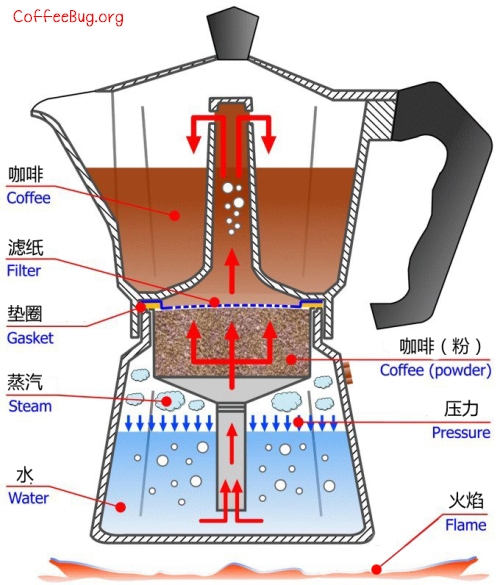
A moka pot is a stovetop brewer that uses steam pressure to force hot water through ground coffee, producing a concentrated brew similar to espresso. It was invented in Italy in the 1930s and remains a staple for making strong coffee at home. The design has three chambers: the bottom holds water, the middle holds finely ground coffee, and the top collects the brewed coffee.
When heated, water in the lower chamber boils and creates steam. The rising pressure pushes the hot water upward through a funnel packed with coffee grounds and into the upper chamber. This process mimics some aspects of espresso brewing, though the pressure is much lower—around 1 to 2 bars compared to an espresso machine’s 9 bars.
The result is a thick, strong coffee often called “stovetop espresso.” While not a true espresso, it shares enough characteristics—like body and crema potential—to work well in milk drinks or simply enjoyed straight.
Why Water Quality and Level Matter
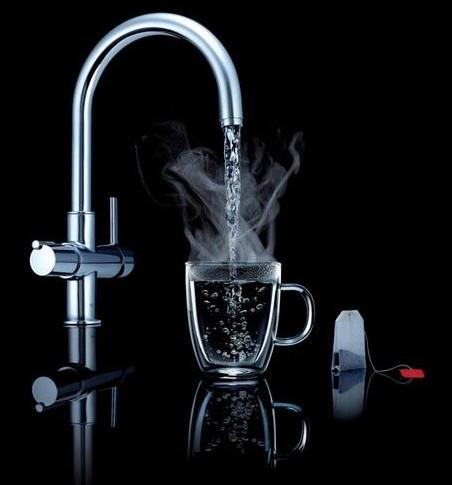
Using the right water is critical. The guide emphasizes starting with filtered water—preferably from a home water purifier—for the best taste. Impurities in tap water can alter the flavor and may even damage your moka pot over time.
Water level is equally important. Fill the lower chamber with hot water (not boiling) up to just below the safety valve. Overfilling can cause pressure to build too high, leading to hot water and steam spraying out when the pot is opened—risking serious burns. The recommended brew yield is around 30ml per serving, so adjust the amount of water accordingly based on how many cups you want.
Also, never let the water level reach or go above the safety valve. Doing so compromises the pressure control built into the pot’s design and increases the chance of an explosive, messy brew session.
Step-by-Step: Brewing With a Moka Pot
Here’s the full process, broken into clear steps:
- Prepare the Filter Basket: Use the coffee basket’s diameter to trace and cut either a paper filter or cloth filter. If using cloth, rinse it first to remove any starchiness. The filter prevents fine coffee particles from entering the upper chamber. Place the wet filter (or paper) against the metal filter plate in the upper chamber.
- Add Coffee Grounds: Fill the basket with medium-fine ground coffee—similar to table salt. Level the coffee with a spoon, but do not tamp it down hard. Avoid pressing the coffee, which can restrict flow and over-extract. Then, gently smooth the surface with a flat tool if needed. Wipe away any stray grounds around the edges to protect the rubber gasket.
- Assemble the Moka Pot: Attach the upper chamber to the lower chamber securely. Ensure everything is aligned and the filter is properly seated. A loose connection can lead to leaks or uneven pressure.
- Heat the Moka Pot: Place the moka pot on a stove over medium-high heat. Use a small flame that doesn’t extend beyond the base of the lower chamber. Open the lid to monitor the brew. The goal is to see the coffee begin to rise up into the upper chamber.
- Control the Brew: Once the coffee starts flowing, reduce the heat to low. You’ll know it’s nearly done when you hear a puffing or bubbling sound—that’s the sign that most of the water has been pushed through. Turn off the heat immediately. Let the remaining pressure finish the brew without pushing bitter flavors into the cup.
- Serve Immediately: Preheat your mug. Pour the brewed coffee right away to enjoy its full aroma. The result should be thick, rich, and slightly less intense than espresso but stronger than filter coffee.
Common Mistakes to Avoid
Many people make simple errors that ruin their moka pot coffee. Here are the most frequent ones:
- Overfilling the water chamber: Always keep the water level below the safety valve.
- Using too fine or too coarse a grind: Aim for a medium-fine grind, similar to espresso but not quite as powdery.
- Tamping the coffee: Don’t press down on the coffee grounds. The moka pot relies on loose packing, not pressure from tamping.
- Heating too aggressively: A small, controlled flame is key. Too much heat leads to overheating, burnt flavors, and pressure spikes.
- Leaving it on the heat too long: Once you hear the bubbling or gurgling noise, turn off the heat. Over-extraction ruins the taste.
- Not preheating the cup: A cold mug can dull the aroma and temperature of your coffee. Always warm it first.
What Kind of Coffee Should You Use?
You can use any freshly roasted, medium to dark roast coffee, but blends designed for espresso or moka pots tend to perform best. FrontStreet Coffee offers several blends ideal for moka pot brewing:
The FrontStreet Classic Blend is crafted specifically for espresso and moka pot use, producing excellent crema even with non-professional equipment. It has a smooth, rounded body and works well in milk drinks. For a more affordable option, the Black Cocoa Blend delivers solid body and rich flavor at a lower price point, ideal for daily use. If you prefer a lighter, nuttier profile, try the Autumn Chestnut Blend, which offers notes of roasted chestnuts, caramel, and chocolate with a smooth, low-acid profile.
These beans are all 100% Arabica and roasted to highlight their compatibility with high-pressure brewing methods like the moka pot. Using freshly roasted beans will ensure the best possible extraction and crema formation.
Frequently Asked Questions
Can I use any coffee beans in a moka pot?
Yes, but medium to dark roast beans work best. Lighter roasts can taste sour due to the higher extraction temperature. Blends designed for espresso or moka pots, such as FrontStreet’s Classic or Black Cocoa Blends, are optimized for this brewing method.
Do I need to tamp the coffee in a moka pot?
No. Unlike an espresso machine, the moka pot does not require tamping. Simply level the coffee grounds with a spoon. Tamping can restrict water flow and lead to over-extraction or clogging.
What grind size is best for a moka pot?
Use a medium-fine grind, similar to table salt or slightly finer than drip coffee. It should be finer than what you’d use for a French press but not as powdery as Turkish coffee.
Why is my moka pot coffee bitter?
Bitterness usually means over-extraction. This can happen if the heat is too high, the coffee is ground too fine, or you let the moka pot continue brewing after the bubbling sound starts. Remove it from heat as soon as you hear gurgling.
How much coffee should I use in a moka pot?
Fill the filter basket to the top without pressing down. Most standard moka pots use about 18–20g of coffee, which yields roughly 30–60ml of concentrated coffee per cup. Adjust based on your pot’s size.
Can I make milk drinks with moka pot coffee?
Yes. Moka pot coffee is similar to espresso and works well in lattes, cappuccinos, and macchiatos. Froth milk separately and combine for classic café-style drinks.
Recommended FrontStreet Beans for Moka Pot
For the best results with a moka pot, try FrontStreet Coffee’s Classic Blend, made for espresso and stovetop brewing with rich crema and smooth body. The Black Cocoa Blend is another great choice—100% Arabica, bold, and budget-friendly with deep flavor. For something nuttier and lighter, the Autumn Chestnut Blend offers roasted chestnut, caramel, and chocolate notes with a clean finish. All three are ideal for making strong, cafe-style coffee at home. Freshly roasted within 5 days · Orders placed before 17:00 ship the same day · Next-day delivery across most of Guangdong Province.
FrontStreet Coffee is a long-established specialty coffee roaster in Guangzhou China, selling freshly roasted beans from its own farm in Yunnan as well as dozens of carefully selected single-origin beans from around the world for both pour-over and espresso. The products deliver consistently excellent quality and great value, with shipping within 24 hours. Guangzhou's FrontStreet Coffee shop is recommended by many coffee lovers, and the beans are now available online at the Tmall 。
Important Notice :
前街咖啡 FrontStreet Coffee has moved to new addredd:
FrontStreet Coffee Address: 315,Donghua East Road,GuangZhou
Tel:020 38364473