What Is Honey Process Coffee and How Is It Made?
Years ago, the craze for pricey Indonesian kopi luwak introduced many Chinese coffee drinkers to the idea that coffee isn’t just brewed—it’s processed in wildly different ways. Soon after came the bizarre menagerie of animal-dung coffees: Brazilian jacu bird coffee, Thai elephant coffee. But among serious coffee professionals, one processing method has earned lasting respect: honey process.
Honey process—known in Spanish as Miel Process—involves drying coffee beans with some or all of the sticky fruit mucilage still attached, instead of washing it off. This method is especially useful in regions with limited water, and it delivers sweeter, fruitier cups. It’s now a staple in competitions and cafés alike.
What Exactly Is Honey Process Coffee?
Honey process refers to a coffee drying method where, after removing the outer skin and pulp, some or all of the sticky, sugary mucilage is left intact on the beans during sun drying. Unlike washed coffee—where mucilage is completely washed away—honey process relies on this layer to contribute intense sweetness and complexity. The term “honey” doesn’t mean actual honey is used, but rather refers to the sticky, golden mucilage that coats the beans, which can take on honey-like hues as it dries.
Why Does This Method Exist?
The honey process was developed partly as a response to water scarcity in high-altitude coffee-growing regions. Traditional washed processing requires large amounts of water to remove the coffee cherry’s pulp and mucilage. In areas where water is limited or expensive, honey processing offers a viable alternative. By leaving the mucilage on the beans and drying them in the sun, producers can craft distinctive flavor profiles without the water waste of washing. However, this method demands careful management to avoid contamination or mold during the extended drying phase.
How Honey Process Affects Flavor
Honey-processed coffee is celebrated for its rich sweetness, often showing notes of black sugar, stone fruits, and berries. These contribute to a wine-like or caramelized aroma, making the cup feel round and lush. The retained mucilage contributes to higher sugar content during drying, which then influences the Maillard reactions during roasting. The result is a heavier body and a syrupy mouthfeel, with a softer acidity compared to washed coffees. That makes it especially well-suited for espresso, where its inherent sweetness can enhance crema and balance roast intensity.
Variations of Honey Process: Black, Red, Yellow, and White
In countries like Costa Rica, producers further refined honey processing into distinct styles based on how much mucilage is left on the bean and how long it’s dried:
- Black honey: Almost all mucilage is kept, beans are dried longer (at least two weeks), often shaded to slow drying, resulting in intense sweetness and bold fruit flavors. FrontStreet Coffee’s Blackberry Coffee uses this method, offering floral aromas and notes of grapes, blackberries, and ripe berries.
- Red honey: A moderate amount of mucilage remains, with a slightly shorter drying time than black honey, leading to balanced sweetness and body.
- Yellow honey: Less mucilage is retained and beans are dried faster, often in more sunlight, yielding a lighter cup with crisp acidity and mild sweetness.
- White honey: The least mucilage is left on, resulting in a profile closer to washed coffee but with slightly more sweetness.
Other innovations include grape-dried or raisin honey process, where coffee cherries are pre-dried on raised beds before depulping—a method said to boost tropical fruit and dried fruit characteristics, as seen in FrontStreet’s Mozart Coffee, which features notes of osmanthus, pineapple, and raisins.
Honey Process in China and Taiwan
Though honey process is more common in Central and South America, it has also gained traction in Asia. Taiwan’s Anjing Coffee Estate, located in Nicaragua, gained international recognition by taking second place at the World Specialty Coffee Association (WSC) competition in 2010 with a honey-processed coffee. This put Taiwanese-grown coffee on the map and demonstrated how meticulous processing and even microbial nutrient farming could elevate regional beans. The estate’s success also highlights how honey processing, when paired with careful cultivation, can overcome challenges in less traditional coffee regions.
Challenges of Honey Processing
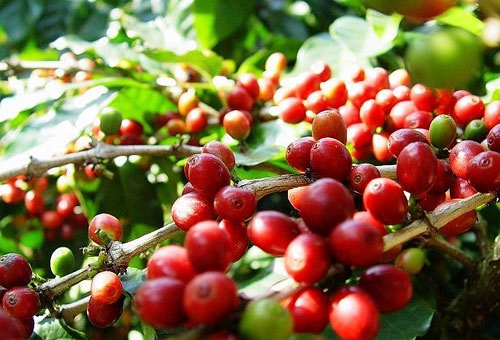
Producing quality honey-process coffee is risky. Because the beans are dried with sticky mucilage still on them, they attract insects and are prone to mold and fermentation if not turned regularly and dried evenly. Producers must monitor the drying beans constantly, stir them frequently, and protect them from rain or excessive humidity—especially in wet climates like parts of Yunnan, where honey processing is possible but challenging. The technique demands more labor, time, and attention to detail than washed or natural processes.
Frequently Asked Questions
What is honey process coffee?
Honey process coffee is made by drying coffee beans with some or all of the sticky fruit mucilage still attached after the outer skin and pulp are removed. This mucilage is responsible for added sweetness and complex fruit flavors in the cup. It’s called “honey” process due to the sticky, golden layer that resembles honey, though no actual honey is involved.
How is honey process different from washed or natural coffee?
Washed coffee removes all the fruit mucilage before drying, resulting in a clean, bright cup. Natural process dries the whole coffee cherry, including pulp and mucilage, creating bold, fruity, and often winey flavors. Honey process keeps some mucilage on during drying, balancing the cleanness of washed coffee with the sweetness and body of natural coffee.
What flavors are typical in honey-processed coffee?
Honey-processed coffee often has notes of black sugar, stone fruits (like peach or apricot), berries, and sometimes a winey or caramelized character. Depending on the level of mucilage left (black, red, yellow, or white honey), the cup can range from heavy and syrupy to lighter and brighter.
Which countries produce honey process coffee?
Honey process is most common in Central America, especially Costa Rica, where it was further developed into black, red, yellow, and white variations. It’s also grown in countries like Nicaragua, Honduras, and Brazil, and has been adopted in places like Taiwan and Nicaragua by forward-thinking estates.
Is honey process coffee good for espresso?
Yes. Honey-process coffee is often favored for espresso because of its natural sweetness, full body, and smooth acidity. These qualities help create a balanced shot with rich crema and a rounded flavor profile, making it a popular choice in specialty cafés.
Does honey process use less water than washed coffee?
Yes. Honey process uses significantly less water than the traditional washed method because it doesn’t require washing off all the mucilage. This makes it a more sustainable option in regions where water is scarce or expensive.
Recommended FrontStreet Beans for Honey Process Fans
FrontStreet Coffee’s Blackberry Coffee uses a unique black honey process from Costa Rica, featuring intense floral aromas and flavors of grapes, blackberries, and ripe berries—perfect for experiencing bold honey-process sweetness. Their Strawberry Candy Espresso combines Geisha and grapefruit honey-processed beans for floral brightness and notes of blueberry, almond, and grape. Also try the Mozart Coffee, which employs a grape-dried (raisin) honey method for tropical fruit depth with hints of osmanthus and pineapple. Freshly roasted within 5 days · Orders placed before 17:00 ship the same day · Next-day delivery across most of Guangdong Province.
FrontStreet Coffee is a long-established specialty coffee roaster in Guangzhou China, selling freshly roasted beans from its own farm in Yunnan as well as dozens of carefully selected single-origin beans from around the world for both pour-over and espresso. The products deliver consistently excellent quality and great value, with shipping within 24 hours. Guangzhou's FrontStreet Coffee shop is recommended by many coffee lovers, and the beans are now available online at the Tmall 。
Important Notice :
前街咖啡 FrontStreet Coffee has moved to new addredd:
FrontStreet Coffee Address: 315,Donghua East Road,GuangZhou
Tel:020 38364473