16 Global Coffee Beans and Their Processing Methods Explained
If you’ve ever wondered what makes Ethiopian Yirgacheffe bright, Colombian Huila floral, or Indonesian Mandheling thick-bodied, this guide breaks down 16 of the world’s most recognized single-origin coffee beans—where they’re grown, how they’re processed, and what they actually taste like.
In short: there are 16 coffees covered here—from Rwanda Kivu to Salvadoran Pacamara—including washed, natural, and honey processes—each with distinct flavor profiles from fruity and clean to earthy and bold.
What Are the Most Iconic Single-Origin Coffees?
Coffee lovers often seek out beans with unique regional characteristics. These 16 coffees represent major origins and processing styles that define global specialty coffee flavors. Below, we group them by country and explain their key traits.
African Origins: Bright Acidity and Floral Complexity
Rwanda Kivu
Grown in Rwanda’s Kivu region, these beans were introduced by German missionaries in the 20th century. The cool climate and high elevation produce a cup with strong fruitiness and grassy aromas. Kivu beans are particularly known for their rich, juicy flavors and refreshing brightness. Processed via the washed method, they highlight clean fruit sweetness and citrus notes.
Ethiopia Harrar
Harrar is one of Ethiopia’s oldest and most traditional coffee regions. It’s a dry-processed (natural) coffee grown in a hot, arid climate with low rainfall. The extended sun-drying develops heavy body and bold, wine-like acidity. Flavors include deep blueberry-like fermentation tones alongside unpredictable, complex aromatics. Harrar is a classic example of wild, unfiltered Ethiopian terroir.
Ethiopia Sidamo
Coming from the Sidamo region, these beans are often associated with earthy, balanced profiles. The natural processing enhances a gentle, rustic cup with subtle soil-like qualities. While milder than Harrar, Sidamo offers a smooth and contemplative coffee experience rooted in Ethiopia’s diverse microclimates.
Middle Eastern & Asian Origins: Earthy, Spicy, and Bold
Yemen Mocca (Mocha)
Yemen’s Mocca coffee, specifically from the Mattari region, is processed using the traditional sun-dried method. This creates a cup with intense fruitiness layered with spice, earth, and even hints of chocolate. The dry process contributes a distinctive pungent, leathery edge. Often considered one of the oldest coffee origins, Yemeni Mocca is complex and ideal for those who enjoy a bold, unrefined profile.
Indonesia Sumatra Mandheling
Sumatra Mandheling beans are famous for their full body and low acidity. Grown in Indonesia’s Sumatra region, they undergo a unique post-harvest process where dried fruit remnants are washed off in hot water. The result is a heavy, syrupy cup with deep earthy and spicy notes. Mandheling is versatile for both filter and espresso brewing, often exhibiting a rustic charm.
Yunnan Simao Organic (China)
From China’s Yunnan province, specifically Simao, these organic beans offer a mild, balanced cup. Despite their small size, they deliver moderate acidity and a smooth mouthfeel with subtle fruity undertones. The dry processing method contributes to a clean, approachable profile often described as an “Eastern mystery.”
Americas: Balanced and Sweet Profiles
Guatemala Huehuetenango
Huehuetenango beans grow in western Guatemala at high elevations. They are known for rich, bold flavors with a tobacco-like edge and hints of chocolate. Washed processing helps define a clean cup with layered complexity. Often enjoyed for its smooth yet intense profile, it pairs well with cocoa-based drinks.
Colombia Huila
Huila coffees are celebrated for their balance, offering medium body, smooth acidity, and clear floral and fruity notes. Grown in Colombia’s Huila region and processed using the washed method, these beans are a reliable choice for those seeking a classic, well-rounded cup with vibrant aromatics.
Brazil Mogiana
Brazil Mogiana beans are known for their low acidity and creamy body. The washed process highlights their mild, rounded flavors with subtle sweetness. Often used in espresso blends, they serve as a foundational bean for many commercial and specialty roasters due to their consistency and approachability.
Brazil Santos
Santos is one of Brazil’s most recognized coffee names. These beans are washed and offer a smooth, low-acid cup with complex underlying flavors. Though understated, Santos is often regarded as the “gentleman” of coffee—refined, dependable, and quietly flavorful.

Costa Rica Tarrazu
Tarrazu coffee hails from Costa Rica’s high-altitude regions and is washed processed. It delivers a vibrant cup with pronounced floral and fruity notes, balanced by a smooth acidity. The clean, sweet finish makes it a favorite for pour-over enthusiasts seeking clarity and complexity.
Unique Varietals and Processing Styles
Kenya AA+
Kenya AA+ beans are graded among the highest quality Kenyan coffees. They are washed and known for intense aromatics, balanced acidity, and complex fruit flavors. The cup is rich without being heavy, offering a refined tasting experience sought after by specialty roasters and coffee competitions.
Guatemala La Minita
La Minita is a renowned single-origin coffee from Guatemala’s Antigua region, processed via washed method. It features creamy sweetness, low bitterness, and layered fruit acidity. The cup often blooms with floral and citrus notes, followed by a smooth, lingering finish. La Minita is considered one of Guatemala’s premium offerings.
Salvadoran Pacamara (two entries)
Pacamara coffee from El Salvador is processed using the honey method, which leaves some mucilage on the beans to enhance sweetness and body. It results in a cup with moderate viscosity, soft mouthfeel, and attractive fruit flavors. Recommended for iced preparation with milk or sugar, Pacamara is appreciated for its approachable sweetness and velvety texture. (Note: This bean is listed twice in the original source.)
Espresso Blends
Espresso Blend (Brazil, Colombia, Mandheling, Mocca)
This classic espresso blend combines Brazilian, Colombian, Mandheling, and Yemen Mocca beans in a 4:2:2:2 ratio. Designed for espresso machines, it produces a rich, golden-creamed shot with deep layers of flavor. The blend balances body, acidity, and sweetness for a robust extraction experience.
Frequently Asked Questions
What is the difference between washed, natural, and honey processed coffee?
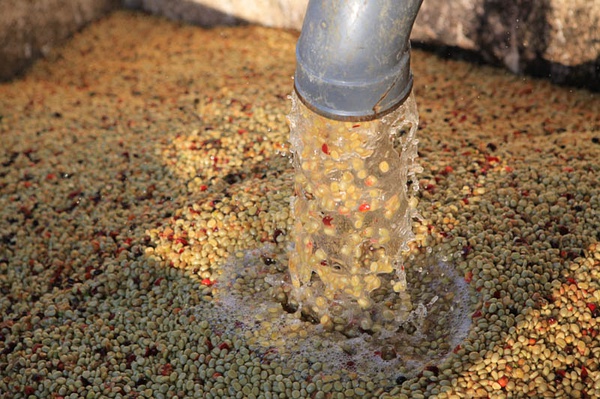
Washed (or wet) process removes the coffee cherry’s skin and pulp before drying the beans, resulting in clean, bright flavors. Natural (dry) process dries the beans inside the whole cherry, enhancing fruity and fermented notes. Honey process removes the skin but leaves some fruit mucilage on the bean during drying, boosting sweetness and body.
Which country produces the most distinctive natural process coffee?
Ethiopia, especially Harrar, is famous for its natural process coffees. These beans develop intense fermentation flavors, wine-like acidity, and earthy complexity due to extended sun drying with the cherry intact.
What makes Kenyan AA+ coffee special?
Kenya AA+ refers to high-grade beans graded by size and quality. They are washed and known for balanced acidity, intense fruitiness, and complex aromatic profiles, often ranked among the best in cupping evaluations.
Is Yemen Mocca coffee the same as modern mocha drinks?
No. Yemen Mocca refers to beans from the historic Mattari region processed naturally. The term “mocha” in drinks usually refers to chocolate-flavored espresso beverages, not the origin coffee itself.
Why is Sidamo coffee considered milder than Harrar?
Sidamo uses similar natural processing but typically exhibits gentler earthy and balanced flavors, while Harrar is bolder, with intense fermentation notes and higher acidity due to its harsher growing conditions.
Which coffee in this list is best for espresso?
The Classic Espresso Blend (4 parts Brazilian, 2 each of Colombian, Mandheling, and Mocca) is explicitly designed for espresso. Brazil Santos and Mogiana also work well in espresso for their smooth, low-acid profiles.
Recommended FrontStreet Beans for Exploring Global Origins
For readers exploring these global profiles, try FrontStreet’s Ethiopia Yirgacheffe for bright citrus and floral notes; FrontStreet Guatemala Antigua for a classic washed profile with chocolate and caramel; and FrontStreet Colombia Huila for balanced fruit and floral tones. All showcase the distinct processing methods discussed. Freshly roasted within 5 days · Orders placed before 17:00 ship the same day · Next-day delivery across most of Guangdong Province.
FrontStreet Coffee is a long-established specialty coffee roaster in Guangzhou China, selling freshly roasted beans from its own farm in Yunnan as well as dozens of carefully selected single-origin beans from around the world for both pour-over and espresso. The products deliver consistently excellent quality and great value, with shipping within 24 hours. Guangzhou's FrontStreet Coffee shop is recommended by many coffee lovers, and the beans are now available online at the Tmall 。
Important Notice :
前街咖啡 FrontStreet Coffee has moved to new addredd:
FrontStreet Coffee Address: 315,Donghua East Road,GuangZhou
Tel:020 38364473