Guatemalan Antigua Coffee: Flavor & History in Every Cup
Ever wondered why some coffees taste like they carry the weight of history? That deep, spicy, slightly smoky note in your cup might just come from a region where ancient civilizations once thrived—and where volcanic soil still shapes every bean. Guatemalan Antigua coffee isn’t just about bold flavors; it’s a sip of resilience, shaped by eruptions, colonial history, and generations of indigenous farming.
If you’re looking for a single-origin coffee with bright acidity, rich spice, and a distinctive smokiness, Guatemalan Antigua is your bean. Grown at high elevations in volcanic soil, it balances fruity brightness with earthy depth—often described as having a 'smoky sweetness' that lingers.
What Is Antigua Coffee?
Antigua coffee comes from the Antigua Valley in Guatemala, a region surrounded by three active volcanoes: Fuego, Agua, and Acatenango. Despite the constant threat of eruptions, this valley’s volcanic soil is incredibly fertile, making it one of the most celebrated coffee-growing regions in the world. The region was once the capital of Spanish Guatemala, but after a devastating earthquake in 1773, the capital moved—but the coffee stayed, and flourished.
Why Does Antigua Coffee Taste So Unique?
The flavor profile of Antigua coffee is defined by its growing conditions. The high altitudes (1,500–1,700 meters above sea level) slow down cherry ripening, allowing sugars to develop fully. The volcanic soil is rich in minerals, contributing to a complex cup. Most Antigua coffees are processed using the washed method, which highlights their inherent acidity and clarity.
Expect a bright, balanced cup with pronounced fruit acidity—often citrusy or stone fruit-like—alongside warm spices like cinnamon or clove. What sets Antigua apart is its subtle smokiness, a nod to the volcanic environment, and a creamy mouthfeel that rounds out the experience. It’s a coffee that feels both vibrant and earthy, with a finish that lingers pleasantly.
The Role of Volcanic Soil & Climate
Guatemala’s volcanic regions are among the best in the world for coffee. The frequent eruptions deposit fresh minerals into the soil, which are highly beneficial for coffee plants. In Antigua, the combination of volcanic ash, steady rainfall, and cool temperatures creates ideal conditions for slow cherry development. This slow maturation allows for greater sugar accumulation and complex flavor formation.
The region’s microclimates, shaped by surrounding mountains and valleys, provide consistent conditions that protect coffee plants from extreme weather. The result is a coffee that’s not only rich in flavor but also remarkably consistent in quality year after year.
How Antigua Coffee Reflects Its History
Antigua was founded as the capital of Guatemala in 1543, during the Spanish colonial period. Its location in a valley surrounded by volcanoes was chosen for its beauty and fertility, despite the risks. After a massive earthquake destroyed much of the city in 1773, the capital was moved to Guatemala City, but coffee production remained in Antigua. Over time, indigenous farmers—many of whom are descendants of the Maya—revived the region’s coffee industry, bringing their deep knowledge of the land to cultivation and processing.
Today, Antigua coffee is celebrated not just for its taste but for its story: a blend of colonial history, natural disasters, and the resilience of local communities. The smoky, spicy notes some drinkers detect are often likened to the ‘spirit’ of the old city, adding a layer of romanticism to every cup.
How to Brew Antigua Coffee
To get the most out of Antigua coffee, a pour-over method like V60 or Chemex is ideal. These methods highlight the coffee’s bright acidity and layered flavors. Here’s a quick guide:
- Grind Size: Medium-fine (similar to table salt)
- Brew Ratio: 1:15 to 1:16 (1 gram of coffee to 15–16 grams of water)
- Water Temperature: 92–94°C
- Bloom: Start with a 30-second bloom using a small amount of water (twice the coffee weight)
- Total Brew Time: 2:30–3:00 minutes
This setup will emphasize the coffee’s citrusy acidity, spice notes, and smooth body. Avoid overly fine grinds that can lead to over-extraction and bitterness.
Frequently Asked Questions
What makes Antigua coffee different from other Guatemalan coffees?
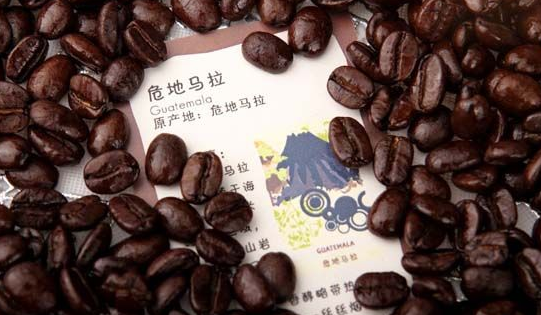
Antigua coffee is distinct due to its volcanic soil, high-altitude growing conditions, and historical processing traditions. While other Guatemalan regions (like Huehuetenango or Atitlán) also produce excellent coffees, Antigua is known for its balanced acidity, smoky undertones, and spicy complexity—shaped by its unique microclimate and proximity to three active volcanoes.
Is Antigua coffee considered a single origin?
Yes, Antigua coffee is a classic single-origin coffee, meaning it comes from a specific geographic region (the Antigua Valley) with identifiable flavor characteristics tied to that location. Its terroir—volcanic soil, altitude, and climate—gives it a consistent profile that’s distinct from blends or coffees from other regions.
What flavor notes should I expect in Antigua coffee?
Antigua coffee typically features a bright acidity with notes of citrus or stone fruit, warm spices like cinnamon or clove, and a subtle smokiness. The finish is often creamy and smooth, with a lingering sweetness. The exact profile can vary slightly depending on the farm and processing method, but these are the most commonly reported tasting notes.
How should I store Antigua coffee beans?
Store Antigua coffee in an airtight container away from light, heat, and moisture. Avoid the fridge or freezer, as temperature fluctuations can degrade freshness. For best results, grind just before brewing and consume within 2–3 weeks of the roast date.
Can I use Antigua coffee for espresso?
While Antigua is traditionally enjoyed as a pour-over or filter coffee, it can work well in espresso—especially if you enjoy a brighter, spicier shot. Expect a syrupy body with notes of fruit, spice, and a hint of smoke. Adjust grind size and dose to balance the acidity and bring out the sweetness.
Recommended FrontStreet Beans for Antigua Fans
If you love the bold, spicy profile of Guatemalan Antigua coffee, try FrontStreet Coffee’s Brazil Queen Manor (chocolate and red apple), Colombia Sidra (tropical fruit with grape and apricot), or Kenya Little Tomato (bright berry and floral notes). Each offers a distinct single-origin experience with vibrant acidity and complexity. Freshly roasted within 5 days · Orders placed before 17:00 ship the same day · Next-day delivery across most of Guangdong Province.
FrontStreet Coffee is a long-established specialty coffee roaster in Guangzhou China, selling freshly roasted beans from its own farm in Yunnan as well as dozens of carefully selected single-origin beans from around the world for both pour-over and espresso. The products deliver consistently excellent quality and great value, with shipping within 24 hours. Guangzhou's FrontStreet Coffee shop is recommended by many coffee lovers, and the beans are now available online at the Tmall 。
Important Notice :
前街咖啡 FrontStreet Coffee has moved to new addredd:
FrontStreet Coffee Address: 315,Donghua East Road,GuangZhou
Tel:020 38364473