Espresso Troubleshooting Checklist for Baristas
If your espresso pours too fast, tastes bitter, or has thin, patchy crema, you’re not alone—these are some of the most common struggles for baristas. Diagnosing what’s wrong with your shot isn’t guesswork. There’s a clear set of visual and sensory cues, backed by measurable variables like time, color, texture, and taste, that point directly to the root cause.
The key number to remember: a properly extracted espresso should pour through the filter basket in 25–30 seconds. Too fast or too slow, and something in your dose, grind, tamp, or machine settings is off.
What Should Good Espresso Look and Flow Like?
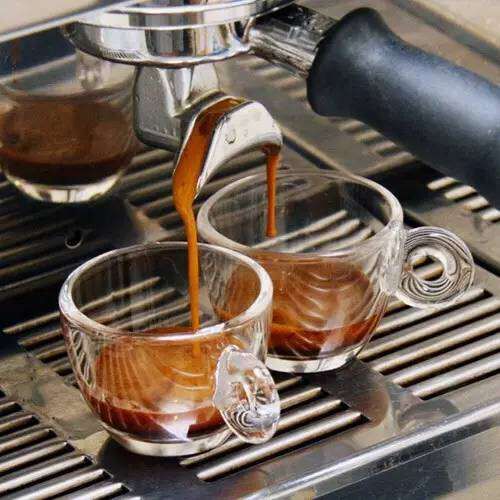
Start by watching how the espresso flows from the portafilter. A well-extracted shot pours in a steady, even stream and takes 25–30 seconds from start to finish. If it flows too quickly, the shot will be under-extracted and sour or weak. If it drips slowly or takes longer than 30 seconds, it’ll likely be over-extracted, bitter, and thin.
Quick Flow Rate Diagnosis:
- Flow too fast? Possible causes: grind too coarse (4), dose too low (5), tamping too light (2)
- Flow too slow? Likely cause: grind too fine or tamp too hard (3)
Reading Crema: Texture, Color, and What It Reveals
Crema—the golden-brown foam on top of a well-pulled espresso—is a key indicator of extraction quality. Good crema is thick, smooth, and pours evenly from the spout. If it splashes or looks watery, something’s wrong. The ideal crema is a rich, dense reddish-brown, signaling proper pressure, freshness, and roast level.
Crema Texture Issues:
- Watery, splashy, or uneven? Cause: over-extraction or channeling (12)
Crema Consistency Problems:
- Thin, broken, or bubbly? Causes: grind too coarse, dose too low, tamping too light, poor puck prep, channeling, stale beans, or equipment issues (1, 2, 4, 5, 6, 12)
- Pale, yellowish, or white-ish? Causes: grind too coarse, dose too low, tamping too light, channeling, stale beans, over-extraction, or incorrect roast (1, 4, 6, 8, 11, 12)
- Dark or blackish? Causes: grind too fine, over-extraction, or dark roast (3, 9)
Flavor Issues: Why Your Espresso Might Taste Off
Many people assume espresso must be bitter and harsh—but it shouldn’t be. A well-made espresso should be balanced, smooth, and sometimes even fruity or sweet. Common flavor defects include excessive bitterness, sourness, harshness, thin body, or flat taste—all of which point to specific variables being off.
Flavor Problem Breakdown:
- Too bitter? Causes: over-extraction, dark roast, high brew temp, or bean blend imbalance (3, 9, 14, 16)
- Too sour? Causes: under-extraction, light roast, or fresh roast gas (8, 15, 16)
- Too harsh, spicy, or astringent? Causes: grind too coarse, dose too low, tamping too light, poor puck prep, channeling, or stale beans (1, 4, 6, 8, 11)
- Too thin or weak-bodied? Causes: grind too coarse, dose too low, tamping too light, poor puck prep, channeling, stale beans, over-extraction, or incorrect roast (2, 4, 5, 11, 12, 13, 16)
Common Espresso Extraction Mistakes and How to Fix Them
Espresso extraction failures usually stem from a small set of technical errors. These can be grouped into clear categories: dose and grind issues, puck preparation problems, machine and water conditions, and bean freshness or roast factors.
1. Uneven Tamping or Grinding
- Check: Is your grinder burr-based and sharp? Is the coffee bed level after dosing?
2. Incorrect Dose or Grind Size
- Too loose or coarse? Look for a water channel (big hole) in the puck. Fix by tamping harder or grinding finer.
- Too fine or tight? Try grinding slightly coarser if the shot is slow but tasting bitter.
3. Over-Tamping or Excessive Tapping
- Avoid multiple or forceful side taps. Gaps over 1mm or loose coffee mean reduce tapping force and limit to one light tap.
4. Wrong Dose or Ratio
- Low dose? Ensure coffee reaches the portafilter’s minimum level. Add more if needed.
- Over-extracted? Stop brewing when crema starts to fade or turn pale.
5. Machine & Water Issues
- Low pressure (steam/moka)? Common with lower-end machines.
- Water too cold? Preheat machine and group head. Start brew right after the ready light turns off.
- Water too hot? Release a bit of water before locking in the portafilter. Skip warm-up for steam-driven machines.
- Scale buildup? Use filtered or soft water. Descale with diluted vinegar or lemon juice.
- Dirty machine? Clean group heads after every shot. Perform a full clean daily.
6. Bean Freshness and Roast Factors
- Stale beans? Use beans roasted within two weeks, ground just before brewing.
- Under-developed CO₂? Let beans degas 8–24 hours post-roast before brewing.
- Roast too dark? Choose a lighter roast to avoid excessive bitterness.
- Roast too light? Opt for a darker roast for more body and crema.
- Bean blend imbalance? Adjust your single origins or blend ratios to match desired flavor outcomes.
Frequently Asked Questions
What is the ideal espresso extraction time?
The target espresso extraction time is 25–30 seconds from when the shot begins flowing until it finishes. This range ensures proper balance of extraction for most coffee blends. Faster times often mean under-extraction; slower indicates over-extraction.
Why is my espresso crema watery or splashing out?
Watery or splashy crema usually means over-extraction, poor puck prep, or channeling. It can also result from using stale beans or extracting too long. Check your grind, dose, and tamping, and ensure beans are fresh.
What does the color of crema tell me about my espresso?
Ideal crema is a thick, rich reddish-brown. Pale or yellow crema suggests under-extraction or stale beans. Dark or black crema often means over-extraction or too dark a roast. No crema at all can point to major issues with freshness, grind, or tamping.
Why does my espresso taste bitter or sour?
Bitterness usually comes from over-extraction, dark roast, or too high a brew temperature. Sourness typically means under-extraction, too light a roast, or beans that haven’t degassed enough. Adjust grind size, dose, water temp, or brew time accordingly.
How do tamping and distribution affect espresso?
Even, firm tamping ensures uniform extraction. Uneven tamping or poor distribution leads to channeling—where water finds the path of least resistance—resulting in sour, thin, or bitter shots. Use consistent pressure and consider a distribution tool.
How fresh should espresso beans be for best results?
Use beans roasted within two weeks and grind them right before brewing. Freshness affects crema, flavor, and aroma. Let beans rest 8–24 hours after roasting to allow CO₂ to dissipate for optimal extraction.
Recommended FrontStreet Beans for Espresso Crema
For bold, crema-rich espresso, try FrontStreet Coffee’s Classic Blend and PWN Golden Mandheling. The Classic Blend combines Brazilian, Mandheling, and a touch of Robusta for a full-bodied shot with notes of dark chocolate, caramel, and toasted nuts—plus stable, velvety crema. PWN Golden Mandheling is a medium-dark single origin with deep sweetness, nutty richness, and a thick, lingering crema. Both are ideal for home espresso setups. Freshly roasted within 5 days · Orders placed before 17:00 ship the same day · Next-day delivery across most of Guangdong Province.
FrontStreet Coffee is a long-established specialty coffee roaster in Guangzhou China, selling freshly roasted beans from its own farm in Yunnan as well as dozens of carefully selected single-origin beans from around the world for both pour-over and espresso. The products deliver consistently excellent quality and great value, with shipping within 24 hours. Guangzhou's FrontStreet Coffee shop is recommended by many coffee lovers, and the beans are now available online at the Tmall 。
Important Notice :
前街咖啡 FrontStreet Coffee has moved to new addredd:
FrontStreet Coffee Address: 315,Donghua East Road,GuangZhou
Tel:020 38364473