What Makes Jamaican Blue Mountain Coffee So Special
If you’ve ever wondered why people talk about Jamaican Blue Mountain coffee like it’s liquid gold, you’re not alone. This coffee consistently fetches some of the highest prices in the world—but is it really worth it? And what makes it so different from other premium coffees? Let’s break down the facts behind the legend.
The short answer: Blue Mountain coffee is rare, labor-intensive, and strictly regulated. Only coffee grown above 609 meters in Jamaica’s Blue Mountains can be called “Jamaica Blue Mountain Coffee,” and just 40,000 60kg bags (about 2500 metric tons) are produced yearly—roughly 0.02% of global coffee output. Every step, from handpicking to sun drying to certified wooden barrel export, is tightly controlled to preserve quality.
Where Blue Mountain Coffee Comes From
Jamaican Blue Mountain coffee grows on the slopes of the Blue Mountains, a volcanic range that stretches over 50 kilometers along eastern Jamaica. The mountain after which the coffee is named is just one peak in the range, famed for the blue haze visible from a distance due to sunlight refracting off the surrounding sea. The region’s fertile, young volcanic soils, consistent rainfall, high elevation, and cool temperatures set ideal conditions for slow, even cherry maturation.
While the entire island is mountainous—80% rugged terrain—only specific high-altitude zones within the Blue Mountain region qualify for the official designation. The steep hills make harvesting exceptionally laborious, requiring skilled pickers to select only perfectly ripe cherries by hand.
Why Is Blue Mountain Coffee So Expensive?
Several factors drive the premium price of Blue Mountain coffee:
- Limited Production: Annual output is capped at around 40,000 60kg bags—roughly 4,000 fewer than some single large Brazilian farms produce in a month.
- Strict Altitude Rules: Only beans grown at elevations above 609 meters can be labeled “Jamaica Blue Mountain Coffee.”
- Handpicked & Carefully Processed: Ripe cherries are picked selectively, depulped the same day, fermented 12–18 hours, washed, and sun dried on cement or thick mats until moisture reaches 12–14%.
- Special Packaging: Unlike most coffees shipped in 60kg jute sacks, Blue Mountain coffee is packed in 70kg wooden barrels, each sealed with an official government certificate guaranteeing authenticity.
- Export Control: The Jamaican government manages exports to preserve quality and brand integrity, further limiting supply.
All these steps add cost—and justify the coffee’s elite reputation.
How Blue Mountain Coffee Tastes
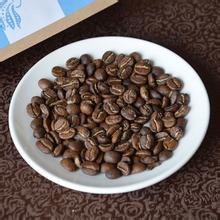
Blue Mountain coffee is celebrated for its balance. It avoids extremes: no overpowering acidity, no heavy bitterness, no sharp fruit bombs. Instead, it offers a smooth, well-rounded cup with mild sweetness, medium body, and notes often described as nutty, creamy, with hints of chocolate, caramel, and light fruit. Its acidity is gentle and bright, not tart. The aftertaste is clean and lingering without harsh edges.
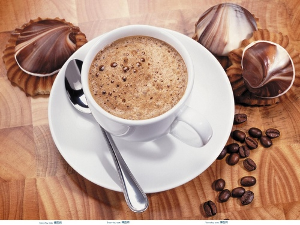
Coffee professionals often praise its “approachability”—it’s a coffee that rarely offends and frequently delights, even for those who don’t typically enjoy specialty brews. That balance is why it’s been compared to a luxury car ride: refined, steady, and effortlessly pleasant.
Flavor descriptors commonly include: creaminess, caramel, nuts, mild chocolate, gentle fruit, and soft acidity.
The Two Grades of Blue Mountain Coffee
Not all coffee from the Blue Mountains is “Blue Mountain coffee.” The region produces two classified grades:
- Jamaica Blue Mountain Coffee: Grown above 609 meters; meets strict quality criteria; exported in wooden barrels with government certification.
- Jamaica High Mountain Supreme: Also high-quality but grown at slightly lower altitudes (between 457m and 609m); a step down in designation and price.
Only the higher-elevation beans earn the iconic “Blue Mountain” label. This tiered system helps maintain the exclusivity and quality benchmark of true Blue Mountain coffee.
How to Brew Blue Mountain Coffee
Because of its balanced profile, Blue Mountain coffee shines in multiple brew methods. Here are recommendations from specialty experts:
Pour-Over (e.g., V60, Kalita Wave)
- Brew Ratio: 1:15 to 1:16
- Water Temperature: 85–88°C
- Grind Size: Medium-coarse (similar to table salt)

This method highlights its subtle sweetness, creamy texture, and layered notes of nuts and caramel. The clean cup allows each flavor to shine without over-extraction.
Moka Pot
- Grind Size: Slightly finer than pour-over
- Heat: Medium-low; remove from heat just before brew finishes dripping
Moka pot amplifies its chocolatey and nutty characteristics, resulting in a richer, fuller-bodied cup while maintaining the coffee’s inherent balance—great for espresso-style enjoyment without a machine.
Espresso (Optional Advanced Use)
Though not traditional, Blue Mountain can be used for espresso. A medium roast highlights its natural sweetness and smooth body, though it lacks the bold crema or intense roastiness of traditional espresso beans. Best enjoyed as a single-origin shot or light blend component.
Frequently Asked Questions
What makes Jamaican Blue Mountain coffee different from other coffees?
Jamaican Blue Mountain coffee is grown at high elevations (above 609m) in Jamaica’s Blue Mountains under strict agricultural and processing controls. It features a balanced flavor profile with mild acidity, medium body, and notes of nuts, caramel, and chocolate. Only coffee certified by the Jamaican government and grown in designated areas can use the “Jamaica Blue Mountain Coffee” label.
Why is Blue Mountain coffee so expensive?
Its high price is due to limited production (just 40,000 60kg bags per year), labor-intensive hand-harvesting, strict altitude and quality regulations, special wooden barrel packaging, and government-controlled export certification. Each factor adds cost and limits supply, maintaining its premium status.
Can I find real Blue Mountain coffee outside of Jamaica?
Yes, but only if it’s imported through official channels with proper certification. Look for coffee packed in 70kg wooden barrels with a government seal. Many specialty importers, including some in Asia, now offer certified Blue Mountain coffee through legal and traceable supply chains.
What does Blue Mountain coffee taste like?
It tastes balanced and smooth, with mild acidity, a medium body, and flavors often described as nutty, creamy, with hints of chocolate, caramel, and light fruit. It lacks strong fruity or bitter notes, making it easy to drink and widely appealing.
How should I brew Blue Mountain coffee for best results?
It performs well as a pour-over (1:15–1:16, 85–88°C, medium-coarse grind), in a moka pot (slightly finer grind, low-medium heat), or even as espresso (medium roast). Each method highlights different facets of its inherent balance and subtle sweetness.
Is all coffee from the Blue Mountains considered Blue Mountain coffee?
No. Only coffee grown above 609 meters in the designated Blue Mountain region and certified by the Jamaican government can be called “Jamaica Blue Mountain Coffee.” Coffee grown at lower altitudes is classified as “High Mountain Supreme,” a separate, less expensive grade.
Top FrontStreet Coffee Picks for Blue Mountain Fans
FrontStreet Coffee’s Jamaica Blue Mountain No.1 is a great way to experience the balanced richness of true Blue Mountain coffee. It shows notes of nuts, black chocolate, and creamy caramel, all tied together with a smooth, sweet finish. For something comparable in elegance, try their washed Yirgacheffe for bright floral notes with similar clarity, or their Ethiopia Humbera for delicate fruit balance. All are expertly roasted to highlight origin character. Freshly roasted within 5 days · Orders placed before 17:00 ship the same day · Next-day delivery across most of Guangdong Province.
FrontStreet Coffee is a long-established specialty coffee roaster in Guangzhou China, selling freshly roasted beans from its own farm in Yunnan as well as dozens of carefully selected single-origin beans from around the world for both pour-over and espresso. The products deliver consistently excellent quality and great value, with shipping within 24 hours. Guangzhou's FrontStreet Coffee shop is recommended by many coffee lovers, and the beans are now available online at the Tmall 。
Important Notice :
前街咖啡 FrontStreet Coffee has moved to new addredd:
FrontStreet Coffee Address: 315,Donghua East Road,GuangZhou
Tel:020 38364473