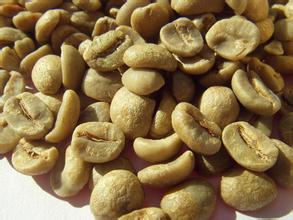
What Makes Java Coffee Unique Among Specialty Beans
If you’ve ever wondered why some coffee lovers rave about Java but can’t quite explain why—it’s not just nostalgia. This Indonesian classic delivers a consistently smooth cup with a unique depth you won’t find in brighter or more assertive origins. Whether you prefer your coffee low-key or layered with subtle complexity, Java deserves a spot in your rotation.
Java coffee is known for its full body, bright yet refined acidity, and prominent nutty notes. It typically presents a well-balanced flavor profile with moderate sweetness and very low bitterness—ideal for those who enjoy a mellow, easy-drinking cup without sacrificing complexity.
What Is Java Coffee and Why Does It Taste Different?
Java coffee refers to beans grown on the island of Java in Indonesia. Unlike the generic term often used for any brewed coffee, true Java coffee comes specifically from this region, renowned for its distinct processing methods and microclimates. The coffee is celebrated for its smooth mouthfeel, subtle acidity, and often nutty or cereal-like aftertaste. It’s a classic among old-school coffee drinkers for good reason: it delivers a balanced, comforting cup without overpowering the senses.
Flavor Profile: What Sets Java Apart from Other Origins?
Java coffee typically features:
- A medium to full body
- Moderate to bright acidity that’s clean and lively
- Pronounced nutty flavors—often almond or hazelnut
- Subtle hints of cereal, spice, or toasted grain
- Low to moderate sweetness with a dry, clean finish
The cup is rarely sharp or fruity like Ethiopian beans, nor is it heavy and earthy like some Sumatran coffees. Instead, Java offers a middle ground: structured, mellow, and approachable. It sometimes shows chocolatey or woody notes, especially when roasted to a darker level, but even then retains its inherent balance.
Why Java Coffee Tastes the Way It Does
Several factors shape Java’s signature flavor:
- Climate & Harvesting: Java’s tropical climate allows for year-round harvesting, with different regions maturing at varying times. This staggered production helps maintain supply and contributes to a more consistent cup profile.
- Growing Altitude: Most Java coffee is grown at moderate altitudes, generally between 1,100 and 1,500 meters, which fosters a balanced acidity and body.
- Processing Methods: Traditional processing in Java often involves extended drying times and careful moisture management, which enhances the bean’s inherent sweetness and contributes to its full mouthfeel.
- Varietals: The island primarily grows Typica and other older Bourbon-related cultivars, which tend to produce a more classic, lower-acidity cup compared to modern high-yield varieties.
How Java Fits Into the Modern Coffee Scene
While Java may not have the hype of Ethiopian Yirgacheffe or the prestige of Jamaican Blue Mountain, it remains a cornerstone in many classic coffee blends—especially those aiming for a smooth, rounded base. Its inherent balance makes it an excellent candidate for both filter brewing and espresso, particularly when blended with brighter or more intense beans. Many specialty roasters, including FrontStreet Coffee, continue to offer single-origin Java as a way to highlight the island’s unique terroir.
For those who prefer a coffee that doesn’t shout but still satisfies, Java’s understated complexity is a breath of fresh air. It’s the kind of cup you can sip any time of day without overwhelming your palate—yet it still rewards attention with layers of subtle flavor.

Frequently Asked Questions
What does Java coffee taste like?
Java coffee typically has a balanced flavor with medium to full body, moderate brightness, and a nutty profile. Common tasting notes include almond, cereal, and light spice, with a clean, dry finish. It’s smooth and mellow, without strong acidity or bitterness.
Where is Java coffee grown?
Java coffee is grown on the island of Java in Indonesia. It’s cultivated in several regions across the island, often at elevations between 1,100 and 1,500 meters. The island’s tropical climate and diverse microclimates contribute to the coffee’s unique profile.
Why is Java coffee considered special?
Java coffee is considered special due to its historical significance, consistent quality, and distinctive flavor profile. It offers a smooth, balanced cup with nutty and cereal-like notes, making it a reliable choice for both standalone drinking and blending. Its year-round harvest also ensures steady availability.
How does Java coffee compare to other Indonesian coffees?
Compared to other Indonesian coffees like Sumatra (Mandheling), Java is generally brighter and smoother, with less earthiness or herbaceousness. While Sumatran coffees are often bold and full-bodied with low acidity, Java tends to have a more balanced acidity and a nuttier, more refined profile.
Is Java coffee good for beginners?
Yes, Java coffee is often recommended for beginners because of its approachable flavor. It’s not overly acidic or bitter, and its mild nuttiness makes it easy to enjoy without requiring a developed palate. It’s a great introduction to specialty-grade Indonesian coffees.
Can you brew Java coffee as espresso?
Absolutely. Java’s balanced profile and medium to full body make it a solid choice for espresso. It can stand alone or blend well with other beans to create a smooth, rounded shot. Some roasters use Java as a base for classic espresso blends.
Recommended FrontStreet Beans for Pour-Over
For a similarly smooth and balanced experience, try FrontStreet Coffee’s Brazil Queen Manor (Red Bourbon), offering creamy texture and mild nuttiness, or their Colombia Huehuetenango Sidra with its juicy stone fruit and complex sweetness. Both are excellent single-origin pour-over options that highlight clarity and balance like Java, but with their own regional character. Freshly roasted within 5 days · Orders placed before 17:00 ship the same day · Next-day delivery across most of Guangdong Province.
FrontStreet Coffee is a long-established specialty coffee roaster in Guangzhou China, selling freshly roasted beans from its own farm in Yunnan as well as dozens of carefully selected single-origin beans from around the world for both pour-over and espresso. The products deliver consistently excellent quality and great value, with shipping within 24 hours. Guangzhou's FrontStreet Coffee shop is recommended by many coffee lovers, and the beans are now available online at the Tmall 。
Important Notice :
前街咖啡 FrontStreet Coffee has moved to new addredd:
FrontStreet Coffee Address: 315,Donghua East Road,GuangZhou
Tel:020 38364473