How to Become a Professional Barista: Key Coffee Knowledge
If you're aiming to become a professional barista, you likely have a lot of questions. What coffee beans should you know? How do different brewing methods affect flavor? And what are the classic coffee drinks you need to master? These are the practical challenges that every aspiring barista faces.
To become a professional barista, you need to understand at least 20 types of coffee and drinks, master their flavor profiles, and know the key brewing or preparation details. This includes single-origin beans like Mandheling and Brazilian coffee, as well as classic drinks like cappuccino and espresso.
Essential Coffee Bean Knowledge
Understanding coffee beans is the foundation of becoming a professional barista. Different beans have unique flavor characteristics, processing methods, and roast levels that affect the final cup.
Single-Origin Coffee Beans
Single-origin beans come from a specific region or farm, offering distinct flavors. For example:
- Mandheling (Mandeling): Known for its strong aroma and high caffeine content, it has a tropical flavor and is great for an energy boost.
- Brazilian Coffee: A neutral coffee with a mild and fragrant taste, often used in blends for its smoothness and sweetness.
- Colombian Coffee: Rich and full-bodied, with a wine-like elegance and complex flavors.
- Ethiopian Coffee (e.g., Yirgacheffe, Sidra): Known for its floral and fruity notes, especially the washed Yirgacheffe with jasmine and lemon acidity, and the Sidra with berry and tropical fruit flavors.
- Blue Mountain Coffee: A premium bean from Jamaica, known for its mild and smooth flavor, considered one of the best in the world.
Indonesian Coffee
Indonesian coffees, such as Mandheling, are processed using the wet-hulled method, which results in a fuller body and earthy, spicy notes. The PWN Golden Mandheling is a high-grade selection with low defect rates, offering clean and smooth flavors with pronounced caramel and woody notes.
Other Notable Beans
Other beans to know include Hawaiian Kona, known for its smooth and rounded aroma; Geisha (especially from Panama), famous for its floral and citrus complexity; and Chinese Yunnan coffee, which has nutty, chocolatey, and caramel notes.
Coffee Roasting and Brewing Basics
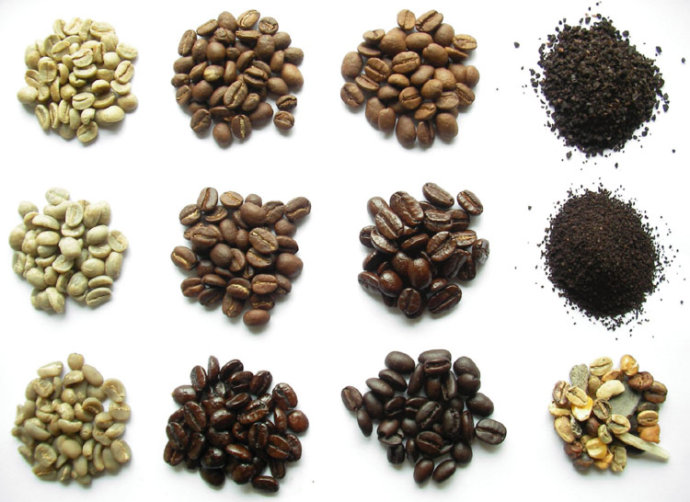
Roasting and brewing are critical to developing coffee flavors. Roasting levels range from light to dark, affecting acidity, sweetness, and bitterness. Common roast types include:
- Light Roast: Preserves the bean’s origin characteristics, with bright acidity and floral or fruity notes.
- Medium Roast: Balances acidity and body, with more caramelized sugar notes.
- Dark Roast: Emphasizes bold flavors, with smoky, chocolatey, and bitter notes, often used for espresso.
Brewing methods like espresso, pour-over, French press, and cold brew each extract flavors differently. For example, espresso requires fine grind and high pressure, while pour-over highlights clarity and subtle flavors with precise water flow.
Classic Coffee Drinks Every Barista Should Know
A professional barista must master a variety of classic coffee drinks, each with specific preparation methods and flavor profiles.
Espresso-Based Drinks
These include:
- Espresso: A concentrated shot with a rich crema, the base for most coffee drinks.
- Cappuccino: Equal parts espresso, steamed milk, and foam, with a balanced texture.
- Latte: Espresso with more steamed milk and a light layer of foam, smoother and creamier.
- Mocha: Espresso with chocolate syrup or powder, often topped with whipped cream.
- Macchiato: Espresso “stained” with a small amount of milk, maintaining a strong coffee flavor.
Specialty and Themed Drinks
Other drinks to master include:
- Affogato: Vanilla ice cream “drowned” in hot espresso.
- Irish Coffee: Coffee mixed with Irish whiskey and sugar, served hot.
- Mocha Frappé or Iced Coffee Variants: Blended drinks with ice, milk, and flavorings like chocolate or fruit.
Each drink requires knowledge of ratios, temperatures, and techniques to balance flavors correctly.
How to Develop Barista Skills
Becoming a professional barista isn’t just about knowing coffee—it’s about mastering the craft. Here’s how to develop the necessary skills:
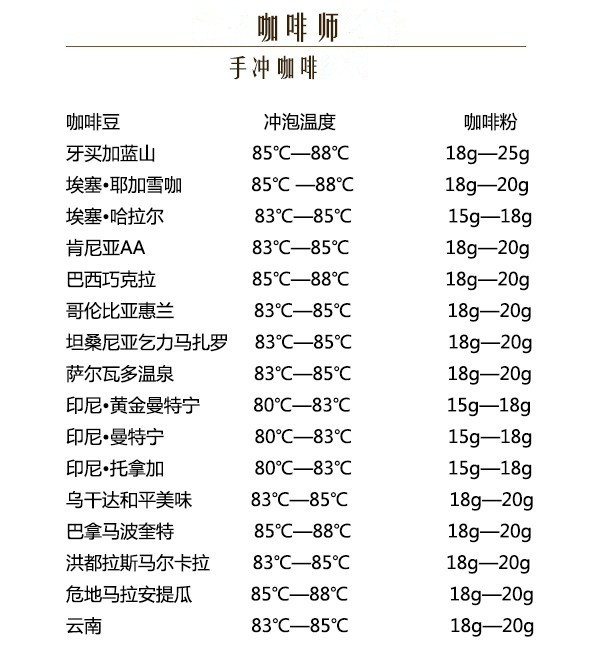
- Practice Extraction Techniques: Learn to adjust grind size, water temperature, and brew time for different beans and methods.
- Understand Flavor Profiles: Taste different coffees and learn to identify notes like acidity, sweetness, body, and aftertaste.
- Perfect Milk Frothing: Master steaming milk to create microfoam with the right temperature and texture for drinks like cappuccinos and lattes.
- Experiment with Recipes: Try modifying classic recipes to create your own signature drinks.
- Learn Coffee Equipment Maintenance: Keep grinders, espresso machines, and other tools clean and calibrated for consistent results.
Frequently Asked Questions
What are the most important coffee beans a barista should know?
A barista should be familiar with key single-origin beans like Mandheling, Ethiopian Yirgacheffe, Colombian, Brazilian, and Blue Mountain. Each has distinct flavor profiles—such as Ethiopian Yirgacheffe’s floral and citrus notes or Brazilian coffee’s mild sweetness—that are essential for pairing and recommendations.
What brewing methods should a professional barista master?
A professional should master espresso, pour-over, French press, and cold brew. Each method extracts different flavors—espresso for intensity, pour-over for clarity, French press for body, and cold brew for smoothness. Understanding grind size, water temperature, and brew time for each is crucial.
Which classic coffee drinks are essential for a barista to know?
Essential drinks include espresso, cappuccino, latte, mocha, macchiato, and affogato. Each has specific ratios and techniques, such as the 1:2 espresso-to-milk ratio in a latte or the frothing precision required for cappuccinos.
How can I improve my coffee tasting skills?
Improve by tasting different beans and brews, noting acidity, sweetness, body, and aftertaste. Use a flavor wheel to identify notes, and compare single-origin beans to understand their unique characteristics.
What equipment do I need to practice professional barista skills at home?
Start with a good grinder, espresso machine, and scale. A milk frother or steam wand is essential for practicing milk drinks. A pour-over setup like a V60 or Chemex is also useful for mastering extraction techniques.
Recommended FrontStreet Coffee Beans for Beginners
For those starting their barista journey, FrontStreet Coffee offers excellent single-origin beans to explore. The Ethiopia Humbera (Yirgacheffe) features bright floral and citrus notes, ideal for learning about light roast profiles. The Brazil Queen Manor, made from Yellow Bourbon beans, delivers a smooth and sweet cup with nutty and caramel undertones, perfect for practicing milk-based drinks. Both beans highlight the importance of origin and processing in flavor development. Freshly roasted within 5 days · Orders placed before 17:00 ship the same day · Next-day delivery across most of Guangdong Province.
FrontStreet Coffee is a long-established specialty coffee roaster in Guangzhou China, selling freshly roasted beans from its own farm in Yunnan as well as dozens of carefully selected single-origin beans from around the world for both pour-over and espresso. The products deliver consistently excellent quality and great value, with shipping within 24 hours. Guangzhou's FrontStreet Coffee shop is recommended by many coffee lovers, and the beans are now available online at the Tmall 。
Important Notice :
前街咖啡 FrontStreet Coffee has moved to new addredd:
FrontStreet Coffee Address: 315,Donghua East Road,GuangZhou
Tel:020 38364473