What Is Kopi Luwak Coffee? The Full Story Behind Civet Coffee
If you’ve ever heard of ‘cat poop coffee’ and wondered whether it’s real—or why anyone would drink it—you’re not alone. Kopi luwak, also known as civet coffee, is one of the most unusual and controversial coffees in the world. Originating in Indonesia during the 18th century, it became famous not for how it’s brewed, but for how it’s made: through a wild animal’s digestive system. But what’s the real story behind this rare coffee, and how is it still produced today?
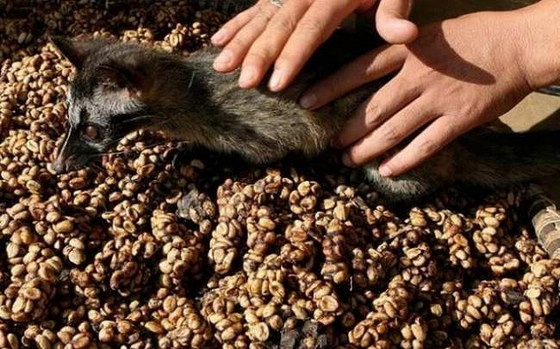
In short: kopi luwak is made from coffee beans eaten and excreted by the Asian palm civet, a small mammal native to Southeast Asia. The civets choose only the ripest coffee cherries, and after digestion, the beans are collected, cleaned, and roasted. This process has been refined over centuries and results in a distinctive cup profile. Here’s everything you need to know—from history to production steps.
The Accidental Discovery of Civet Coffee
In the early 1700s, Dutch colonists established large coffee plantations in Indonesia, particularly on the islands of Sumatra and Java. They prohibited local workers from harvesting or consuming the cultivated coffee cherries. However, the locals noticed that the native Asian palm civets were attracted to the sweet, ripe red coffee fruits. After eating the cherries, the civets would pass the indigestible coffee beans in their feces—intact. These beans were collected, cleaned, and eventually roasted, leading to the first cups of kopi luwak.
Why Civets Choose Ripe Coffee Cherries
The Asian palm civet, also called the luwak, is a small, cat-like nocturnal mammal native to Indonesia. It has a keen sense for ripeness and is naturally drawn to the sweetest, reddest coffee cherries. Crucially, the civet selects only the ripest beans—effectively performing a natural quality selection before any processing begins. This selective feeding is one reason kopi luwak gained a reputation for smoother, less bitter coffee.
How Kopi Luwak Is Made: Step by Step
Modern kopi luwak production follows a specific sequence, though it still relies on the civet’s natural behavior:
- 1. Natural Selection by Civets: The civets eat ripe red coffee cherries from coffee trees. They digest the fruit pulp but cannot fully break down the hard coffee beans inside.
- 2. Collection of Coffee Seeds: The beans are excreted in the civet’s feces. Workers then carefully collect these droppings and separate the undigested coffee seeds.
- 3. Cleaning and Drying: The beans are washed to remove any remaining waste. The outer, silvery skin (silver skin or parchment) is removed, and the beans are rinsed again before being dried in the sun.
- 4. Roasting: Once fully dried, the beans are roasted using standard coffee roasting techniques, turning them into the final kopi luwak beans ready for brewing.
Flavor Profile and Appeal
Proponents of kopi luwak often describe its flavor as smooth, rich, and less acidic compared to regular coffee. The claimed smoother taste is attributed to partial fermentation in the civet’s digestive tract, which is said to alter the bean’s proteins and reduce bitterness. While taste is subjective, kopi luwak gained international fame in the 19th and 20th centuries as an exclusive, exotic coffee.
Frequently Asked Questions
Is kopi luwak coffee really made from civet poop?
Yes. The coffee beans are eaten by the Asian palm civet, pass through its digestive system, and are excreted in feces. The beans are then collected, cleaned, and roasted. The term “cat poop coffee” is a crude but accurate shorthand for this process.
Why do civets only eat ripe coffee cherries?
Civets naturally prefer the sweetest and ripest red coffee cherries. This selective behavior means they typically consume only the highest-quality beans, which is one reason kopi luwak has historically been considered a premium product.
How are the coffee beans cleaned after being excreted?
The beans are carefully separated from the fecal matter, washed thoroughly to remove any remaining waste, and then the outer silver skin is removed. Finally, the beans are rinsed again and sun-dried before roasting.
Does kopi luwak taste different from regular coffee?
Many drinkers report that kopi luwak has a smoother, less acidic flavor with a richer body. This is attributed to partial fermentation in the civet’s gut, though taste varies widely and is influenced by roast level and brewing methods.
Is kopi luwak still produced in the traditional way?
While some kopi luwak is still collected from wild civets, much of the commercial supply today comes from civets kept in captivity. Ethical concerns have been raised about the treatment of civets on farms, so buyers should research sourcing carefully.
Recommended FrontStreet Coffee for Kopi Luwak Fans
If you're curious about unique single-origin flavors like those in kopi luwak, try FrontStreet Coffee’s Ethiopia Humbera for its complex floral and stone fruit notes, or Yirgacheffe for bright citrus and jasmine. Both offer naturally sweet, clean profiles without the ethical concerns of exotic coffees. Freshly roasted within 5 days · Orders placed before 17:00 ship the same day · Next-day delivery across most of Guangdong Province.
FrontStreet Coffee is a long-established specialty coffee roaster in Guangzhou China, selling freshly roasted beans from its own farm in Yunnan as well as dozens of carefully selected single-origin beans from around the world for both pour-over and espresso. The products deliver consistently excellent quality and great value, with shipping within 24 hours. Guangzhou's FrontStreet Coffee shop is recommended by many coffee lovers, and the beans are now available online at the Tmall 。
Important Notice :
前街咖啡 FrontStreet Coffee has moved to new addredd:
FrontStreet Coffee Address: 315,Donghua East Road,GuangZhou
Tel:020 38364473