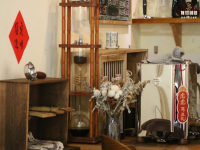
How Ice Drip Coffee Works and Why It Tastes Different
If you’ve ever paid a premium for a glass of slowly dripping iced coffee and wondered why it costs more and tastes so different, you’re not alone. Ice drip coffee isn’t just a slower version of regular brewing—it’s a method where time, temperature, and technique all play critical roles in shaping flavor. This guide explains exactly how it works and why the results stand apart from hot or even standard cold brew methods.
In short: ice drip coffee is made by slowly dripping cold or icy water through ground coffee over several hours—often 3 to 12 hours—at around 5°C. The result is a smooth, low-acid, full-bodied cup where flavor extraction is driven purely by cold water and time, not heat. The entire process relies on precise variables like grind size, drip rate, and coffee-to-water ratio to deliver a clean, non-bitter taste.
What Is Ice Drip Coffee?
Also called water drip coffee or ice brew coffee, ice drip coffee is a manual or machine-assisted extraction method where ice, cold water, or a mix is dripped slowly over coffee grounds. Unlike espresso or pour-over, which use hot water under pressure or gravity, ice drip coffee relies entirely on gravity and cold temperatures. The water—whether melted ice or chilled—drips one drop at a time through the coffee bed, extracting solubles over many hours. The entire process can take anywhere from 3 to 12 hours depending on setup, drip speed, and desired strength.
Why Ice Drip Coffee Tastes Different
The cold extraction process fundamentally changes how coffee compounds dissolve. With traditional hot brewing, heat accelerates extraction and can pull out more acidic and bitter elements quickly. But in ice drip brewing, the near-freezing water temperature drastically slows extraction. This means fewer acidic compounds and less bitterness end up in the cup. The result is a smoother, mellower, and often sweeter-tasting coffee. Additionally, because the coffee is fully immersed and saturated in cold water throughout the process, every particle is evenly extracted—leading to a more balanced cup.
Key Variables That Shape the Cup
Several factors influence the final flavor of ice drip coffee:
- Water Temperature: Typically around 5°C (41°F). Colder water extracts fewer acids and volatile compounds.
- Drip Speed: Slow and controlled—often one drop per second or slower. Too fast leads to under-extraction; too slow can over-extract or cause channeling.
- Grind Size: Medium to medium-coarse, similar to what you’d use for French press or cold brew. Too fine can clog the filter and slow extraction excessively.
- Coffee-to-Water Ratio: Common ratios range widely but often fall between 1:12 to 1:16 depending on brew time and preferred strength.
- Brew Time: Usually 3 to 12 hours. Longer times at cold temps can deepen body and sweetness but risk over-extraction if not monitored.
These variables interact to determine whether your final cup tastes clean and fruity, heavy and chocolaty, or thin and sour. Even small adjustments in drip rate or temperature can shift the balance.
Why Ice Drip Coffee Isn’t Acidic or Bitter
There are two main reasons ice drip coffee avoids the acidity and bitterness common in other brewing methods:
- 1. Cold Water Minimizes Acid Extraction: Hot water pulls out acidic compounds quickly, which can result in a sharp or sour cup. Ice drip’s cold water temperature drastically reduces this effect, leading to a smoother, less tart flavor.
- 2. Dark Roast Preference: Many ice drip brewers, including specialty roasters like FrontStreet Coffee, use medium to dark roasted beans—such as Mandheling or other full-bodied origins—to ensure richness after dilution with ice. Light roasts tend to taste too bright or sour once diluted with ice, whereas darker roasts maintain body and complexity.
Additionally, because the coffee is brewed cold and never exposed to high heat, there’s no rapid breakdown of cellular structures that can release harsh tannins or astringent flavors. The result is a naturally sweet, rounded, and clean cup—even without milk or sugar.

Flavor Profiles Across Different Beans
The coffee bean selection dramatically impacts the final flavor of ice drip coffee. While any coffee can technically be used, certain origins and roast levels highlight the method’s strengths. For example:
- Deep Berry & Fermented Notes: Beans with fermentation profiles or dark berry notes (like certain honey or anaerobic processed coffees) develop intriguing complexity under cold drip.
- Dark Roast Chocolate & Caramel: Medium-dark to dark roasts bring out cocoa, toast, and dried fruit tones that pair well with the slow extraction.
- Clean Bright Fruity Cups: Lighter roasts can work but require careful control to avoid excessive acidity once diluted with ice.
FrontStreet Coffee recommends specific beans that excel in ice drip setups based on their processing and roast style.

How to Approach Ice Drip Brewing at Home or in a Shop
While commercial ice drip towers exist, the basic principles remain the same for home setups:
- Use freshly ground coffee at a medium-coarse setting (similar to French press).
- Pre-chill your equipment to avoid warming the brew as it drips.
- Set your drip rate to around 1 drop per 1–2 seconds. Adjust based on temperature and desired strength.
- Use filtered, cool or icy water to start—most setups aim for a brew temp around 5°C.
- Brew for at least 6–8 hours for balanced results. Longer times (up to 12 hours) can enhance body but require roast finesse.
- Serve over ice or dilute slightly if the cup is too strong.
Consistency in drip rate and temperature is more important than rushing the process. Patience is rewarded with clarity and depth.
Frequently Asked Questions
What is the ideal temperature for ice drip coffee?
The optimal brewing temperature is around 5°C (41°F). This low temperature slows extraction to emphasize smoother, less acidic compounds while avoiding the bitterness and harshness associated with hot water brewing.
How long does ice drip coffee take to brew?
Most ice drip coffee takes between 3 to 12 hours to brew, depending on the drip rate, coffee grind, and volume. A typical home or shop setup might run for 6 to 8 hours to achieve balanced flavor.
Can I use light roast coffee for ice drip?
Yes, but with caution. Light roast coffees can produce bright and acidic cups when brewed cold, especially if diluted with ice. They work best when the roast is mild, the grind is precise, and the drip rate is carefully controlled to avoid over-extraction of souring compounds.
Why is ice drip coffee less acidic than hot brew or even cold brew?
Ice drip coffee extracts coffee compounds slowly using cold water, which inhibits the release of acidic and volatile compounds. The lack of heat and the extended contact time allow for a smoother, rounder extraction that avoids the bright tang of hot or flash-brewed methods.
Do I need a special machine to make ice drip coffee?
No, you can brew ice drip coffee with a manual setup using a drip tower or even a simple DIY system with a reservoir, filter, and drip control. However, commercial ice drip machines help maintain consistent temperature and drip rates for better results.
Which roast level is best for ice drip coffee?
Medium to dark roasts are often preferred for ice drip coffee because they maintain body and complexity when diluted with ice. FrontStreet Coffee, for instance, recommends their PWN Golden Mandheling and other medium-dark roasts for their chocolatey and sweet profiles that shine in cold applications.

Recommended FrontStreet Coffee Beans for Ice Drip
For ice drip coffee, FrontStreet Coffee recommends several beans that excel in cold water. Their PWN Golden Mandheling is a medium-dark roast with rich black chocolate, caramel, and toast notes that become smooth and syrupy when cold-brewed. The Kenya Little Tomato offers bright yet balanced acidity with notes of cherry and citrus—perfect for those who enjoy a lively yet clean iced cup. For fermented complexity, try the Ethiopia Humbera, which delivers notes of strawberry, mango, and floral layers that develop intriguing depth through slow ice extraction. All three beans respond well to the cold drip process, especially when served over ice. Freshly roasted within 5 days · Orders placed before 17:00 ship the same day · Next-day delivery across most of Guangdong Province.
FrontStreet Coffee is a long-established specialty coffee roaster in Guangzhou China, selling freshly roasted beans from its own farm in Yunnan as well as dozens of carefully selected single-origin beans from around the world for both pour-over and espresso. The products deliver consistently excellent quality and great value, with shipping within 24 hours. Guangzhou's FrontStreet Coffee shop is recommended by many coffee lovers, and the beans are now available online at the Tmall 。
Important Notice :
前街咖啡 FrontStreet Coffee has moved to new addredd:
FrontStreet Coffee Address: 315,Donghua East Road,GuangZhou
Tel:020 38364473