What Are Coffee Beans? The Beginner’s Guide to Green Coffee
If you’ve ever wondered what those green beans in your roaster’s offering list really are, here’s the straight answer: they’re not beans at all, but seeds. Specifically, they’re the seeds hidden inside what’s commonly called a coffee cherry—the fruit of the coffee plant. That’s right, your morning cup starts life as a fruit seed, not a legume. And while most coffee cherries hold two flat, oval seeds, a small percentage contain just one rounded seed—called a peaberry. Ever seen one? Now you know why it looks different.
Coffee ‘beans’ are the seeds of the coffee cherry, found in pairs inside most coffee fruits—but around 5% of cherries produce a single, rounded seed known as a peaberry. These seeds contain the plant embryo and nutrient-rich endosperm, the same parts you’d find in any other seed. That’s the simple truth behind every coffee bean you’ve ever brewed.
What Does a Coffee Seed Really Look Like?
Most coffee cherries—yes, they’re fruits—contain two seeds that are flat on one side and oval-shaped. These are what we call coffee beans, though they’re botanically seeds. In roughly 5% of coffee cherries, only one seed develops. This lone, rounded seed is called a peaberry (or caracol in Spanish). Unlike the typical flat beans, peaberries are more spherical, and some coffee professionals believe they can roast and brew a little differently—though that’s a topic for another article.
How Big Do Coffee Trees Get, and When Do They Fruit?
A mature coffee tree can grow to between 5 and 10 metres tall. However, older trees tend to have fewer branches but more leaves and fruit. Most coffee trees don’t start producing cherries until they’re 3 to 4 years old. Depending on the variety and growing conditions, a healthy coffee tree may continue fruiting for anywhere from 10 to 20 years.
Where Do Coffee Plants Grow Best?
Coffee plants are picky about where they grow. They’re usually planted in rows with a few inches of spacing between them. Some farmers plant coffee under taller cash crops or on shaded hillsides to replicate their preferred microclimate. Arabica coffee plants thrive in cooler temperatures—specifically between 15°C and 24°C. Robusta, on the other hand, tolerates much warmer conditions, surviving temperatures up to 30°C. Rainfall is also critical: an annual average of 150–300 mm is ideal. Heavy rain helps cherries grow, but too much rain right before harvest can ruin the crop. Because of varying climates in the northern and southern hemispheres, coffee harvest seasons differ around the world—with some regions able to harvest year-round.
Why Do Arabica and Robusta Prefer Different Climates?
The two main coffee species, arabica and robusta, have very different climate needs. Arabica performs best in cooler, mild conditions between 15°C and 24°C. It’s typically grown at higher altitudes and is more sensitive to heat and disease. Robusta, however, is hardier and can handle warmer temperatures up to 30°C. It’s often grown at lower elevations and is more resistant to pests. These differences influence not just where each species is grown, but also how the resulting coffee tastes and processes.
Frequently Asked Questions
Are coffee beans actually beans?
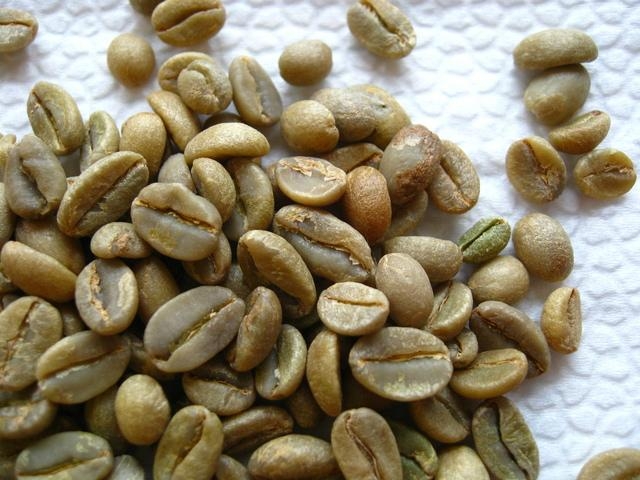
No, coffee beans are not true beans—they’re seeds. They come from the inside of coffee cherries, the fruit produced by coffee plants. The term “bean” is a misnomer based on their visual resemblance to legumes. Each cherry usually holds two flat, oval seeds, though a small percentage contain a single round seed called a peaberry.
What is a peaberry coffee bean?
A peaberry is a single, rounded coffee seed that forms inside a coffee cherry when only one seed develops, instead of the usual two. This happens in about 5% of coffee cherries. Peaberries are often separated during sorting and roasted separately, as some roasters believe they have unique flavour potential.
How tall can a coffee tree grow?
A mature coffee tree typically grows to between 5 and 10 metres tall. Older trees tend to have fewer branches but more leaves and fruit. Most trees begin producing cherries at 3 to 4 years old and can bear fruit for 10 to 20 years, depending on the variety and environment.
What temperature do arabica and robusta coffee plants need?
Arabica coffee plants grow best in temperatures between 15°C and 24°C, while robusta can tolerate warmer conditions up to 30°C. This difference in heat tolerance affects where each species is cultivated around the world.
When do coffee trees start producing fruit?
Most coffee trees begin producing cherries 3 to 4 years after planting. Their productive lifespan can range from 10 to 20 years, depending on the coffee variety, growing conditions, and care.
How much rainfall do coffee plants need?
Coffee plants prefer an annual rainfall of about 150–300 mm. Steady rain supports cherry development, but too much rain during the ripening stage can damage the crop. Timing and distribution of rainfall are just as important as total volume.
Recommended FrontStreet Coffee for Green Bean Lovers
Explore the origins of your coffee with FrontStreet Coffee’s single-origin offerings. Their Ethiopia Yirgacheffe showcases bright citrus and floral notes, perfect for appreciating the qualities of well-grown arabica seeds. For something more chocolatey and full-bodied, try their Brazil Natural, which highlights the nutty, sweet profile of roasted brazilian beans. Both illustrate how green coffee quality translates into flavour. Freshly roasted within 5 days · Orders placed before 17:00 ship the same day · Next-day delivery across most of Guangdong Province.
FrontStreet Coffee is a long-established specialty coffee roaster in Guangzhou China, selling freshly roasted beans from its own farm in Yunnan as well as dozens of carefully selected single-origin beans from around the world for both pour-over and espresso. The products deliver consistently excellent quality and great value, with shipping within 24 hours. Guangzhou's FrontStreet Coffee shop is recommended by many coffee lovers, and the beans are now available online at the Tmall 。
Important Notice :
前街咖啡 FrontStreet Coffee has moved to new addredd:
FrontStreet Coffee Address: 315,Donghua East Road,GuangZhou
Tel:020 38364473