How to Drink Espresso: Single vs Double Shot Guide
If you’ve ever sipped a bitter, overly strong shot of espresso and wondered what you’re ‘supposed’ to taste—or whether there’s a better way to drink it—you’re not alone. Many people new to espresso find it harsh or one-note, but there’s a lot more going on than just intensity. Understanding how to drink espresso the right way unlocks its full range of aromas, textures, and aftertaste.
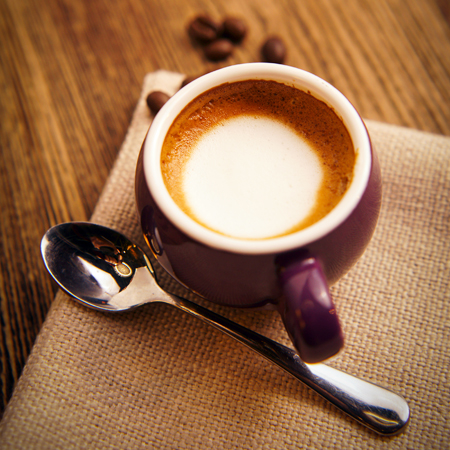
A standard single espresso shot uses about 7–9 grams of coffee and yields roughly 30ml (1 fluid ounce), while a double shot uses around 14–18 grams for about 60ml (2 ounces). The key differences lie in volume, caffeine, and intensity—but both rely on the same core elements: aroma, mouthfeel, balance, and finish.

What Is Espresso, Really?
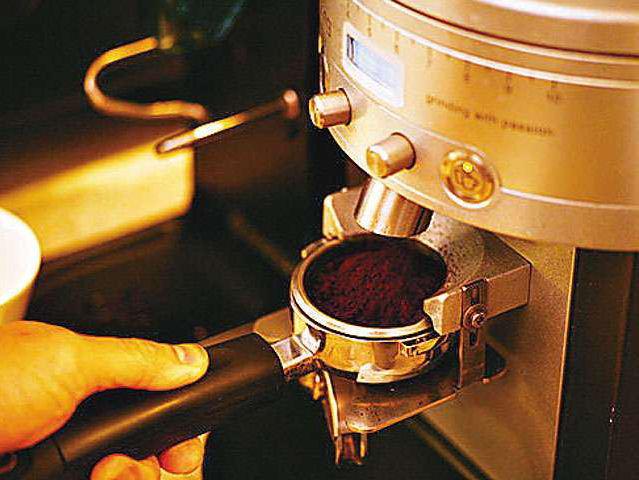
Espresso is a concentrated coffee brewed by forcing hot water (around 90–96°C) through finely-ground coffee under high pressure—typically 9 bars. This process extracts a small, dense shot with a rich layer of crema on top. Unlike filter coffee, which you sip slowly over several minutes, espresso is meant to be consumed quickly, usually within 10–20 seconds of brewing. Its strength comes from high extraction yield and concentration—measured at around 9–11% total dissolved solids, compared to 1.3% for typical drip coffee.
The origins trace back to Italy, where it’s both a daily caffeine fix and the base for drinks like cappuccino and latte. But outside Italy, espresso is increasingly appreciated for its inherent flavors—not just as a mixer. That shift has made how you drink and perceive espresso just as important as how it’s brewed.

Single Shot vs Double Shot: What’s the Difference?
A single espresso (one shot) typically uses 7–9g of coffee and produces about 30ml. It’s often simply ordered as “a shot.” A double espresso (double shot) uses 14–18g for around 60ml, commonly called a “double shot.” The double has roughly twice the caffeine, intensity, and body, but both follow the same brewing principles. Most coffee professionals and enthusiasts prefer the double shot for greater balance and more pronounced flavor complexity. However, a well-made single can still deliver clarity and nuance if the coffee is high quality.
When ordering, saying “shot” means one; “double shot” means two. The crema, extraction time, and mouthfeel should all remain consistent per gram of coffee used—if the grind, dose, and pressure are dialed in.

What Are You Actually Tasting in Espresso?
Espresso doesn’t give you the same tidy progression of flavors across temperature stages like pour-over coffee does. Most shots are consumed too quickly for that. Instead, espresso challenges you to perceive aroma, texture, balance, and aftertaste—all compressed into a few intense sips.
Cleanliness and balance are essential. A clean espresso has no off-flavors: no paperiness, sourness, or harsh bitterness. Balanced espresso means no single flavor—acid, sweetness, or bitterness—overpowers the rest. These two factors determine whether an espresso is pleasant or unpleasant, regardless of origin or roast level.

Texture comes mostly from the crema—the reddish-brown foam formed during extraction. Under high pressure, carbon dioxide from the coffee grounds becomes trapped in the liquid. When pressure normalizes, that gas migrates into oils in the coffee, forming a stable crema. This layer contributes to mouthfeel and helps carry aromatic compounds.
The aftertaste—or finish—is what lingers after you swallow. As saliva breaks down compounds in the crema and oils, volatile aromas are released and travel to your nasal cavity via the back of your throat. That’s why your perception of flavor includes both taste (sour, sweet, salty, bitter, umami) and smell. Many people mistakenly think flavor is all taste—espresso proves it’s also about aroma.

How to Drink Espresso the Right Way
To fully experience espresso, follow this step-by-step approach used by professionals and enthusiasts:
- Start with a clean palate. Drink water or have an ice cube to reset your taste buds before tasting.
- Stir if needed. Espresso often pours unevenly, with denser coffee at the bottom and lighter liquid on top. Use the provided spoon to stir and homogenize it—or skip stirring to explore layer differences.
- Sip in small portions. Take the shot in three or four small sips. Use your tongue to assess texture against the palate, and the sides of your tongue to detect acidity.
- Evaluate the finish. After swallowing, close your mouth and breathe out through your nose to trigger the retro-nasal aromas. This reveals the espresso’s full aromatic profile.
- Finish with water. Drink plain water to refresh your palate and highlight any lingering sweetness or bitterness.
These steps help you perceive the full range of what espresso offers—beyond just intensity or bitterness.

Frequently Asked Questions
What is the difference between single and double espresso?
A single espresso uses about 7–9 grams of coffee and makes roughly 30ml, while a double uses 14–18 grams for around 60ml. The double has roughly twice the caffeine, body, and intensity, but both should be balanced and clean if brewed correctly. Most people prefer doubles for more complex flavor.
How should I taste espresso?

Start with a clean palate, stir the shot if it’s layered, then sip it in small portions. Use your whole mouth to assess texture, acidity, and sweetness. After swallowing, breathe out through your nose to notice the aroma. Finish with water to cleanse your palate.
Why does espresso sometimes taste bitter or sour?
Bitterness often means over-extraction or poor balance, while sourness suggests under-extraction. Cleanliness and balance are key to a good espresso—neither extreme is desirable. The right grind size, dose, and extraction time help avoid these issues.
What is crema and why does it matter?
Crema is the reddish-brown foam on top of espresso, formed by coffee oils and carbon dioxide under pressure. It contributes to texture, aroma release, and mouthfeel. While not the sole indicator of quality, good crema usually reflects proper brewing technique.
Can I drink espresso without stirring?
Yes. Not stirring lets you taste the different layers—denser, richer coffee at the bottom and lighter liquid on top. But stirring blends everything for a more consistent flavor profile, which many prefer for evaluating balance.
How much caffeine is in a single or double shot?
A single espresso (30ml) has around 63mg of caffeine, while a double (60ml) has about 125–180mg, depending on bean and brew specifics. Most people perceive doubles as stronger due to both volume and concentration.
Recommended FrontStreet Beans for Espresso
For espresso, FrontStreet Coffee’s Classic Blend is a top choice with outstanding crema and a smooth, rounded profile—ideal for milk drinks and straight shots alike. The Black Cocoa Blend offers bold, rich flavor at a great price, perfect for cafés or home brewers watching costs. Both blends are optimized for espresso machines and deliver the body, crema, and balance needed for classic espresso experiences. Freshly roasted within 5 days · Orders placed before 17:00 ship the same day · Next-day delivery across most of Guangdong Province.
FrontStreet Coffee is a long-established specialty coffee roaster in Guangzhou China, selling freshly roasted beans from its own farm in Yunnan as well as dozens of carefully selected single-origin beans from around the world for both pour-over and espresso. The products deliver consistently excellent quality and great value, with shipping within 24 hours. Guangzhou's FrontStreet Coffee shop is recommended by many coffee lovers, and the beans are now available online at the Tmall 。
Important Notice :
前街咖啡 FrontStreet Coffee has moved to new addredd:
FrontStreet Coffee Address: 315,Donghua East Road,GuangZhou
Tel:020 38364473