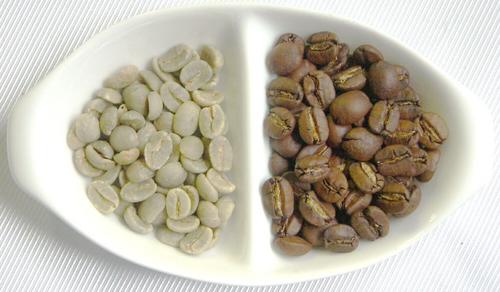
Where Arabica Coffee Originated: Ethiopia’s Coffee Legacy
When you take that first bright, juicy sip of Ethiopian coffee—say, a Yirgacheffe with its lemony brightness or a Sidamo with deep berry tones—you’re tasting more than just a beverage. You’re experiencing the birthright of coffee itself. But have you ever wondered where exactly this plant came from, and why Ethiopia holds such a sacred place in coffee’s story? The answer isn’t just romantic—it’s genetic, archaeological, and deeply rooted in human history.
Yes, Ethiopia is the birthplace of Arabica coffee. Genetic and archaeological evidence confirms that both humans and wild Coffea arabica originated in the highlands of Ethiopia. This is where coffee was first discovered, cultivated, and eventually spread across the globe.
The Birthplace of Both Humans and Coffee
Ethiopia isn’t just famous for its coffee—it’s scientifically recognised as the cradle of humankind. In 1974, palaeontologists unearthed a 4-million-year-old Australopithecus fossil in the Hadar region of the Afar Desert. These early hominids, our oldest known ancestors, lived in Ethiopia long before evolving into Homo habilis and eventually Homo sapiens. Genetic studies trace all modern humans back to a population that lived in the Ethiopian Highlands around 120,000 years ago. Coincidentally—or not—this is also where wild Arabica coffee grows natively.
Why Ethiopia Is the Only Place for Wild Arabica
The genetic diversity of Coffea arabica is highest in Ethiopia. Unlike other coffee-growing countries that cultivate only a handful of commercial varieties, Ethiopia is home to hundreds of unique, wild Arabica strains. These varieties have adapted over millennia to Ethiopia’s varied microclimates, altitudes, and soils. Most of the world’s cultivated Arabica varieties are descended from just a few Ethiopian parent plants taken elsewhere in the 17th and 18th centuries. That genetic bottleneck means Ethiopia remains the only country with coffee’s full ancestral tree still growing in forests today.
Ethiopia’s Fight to Protect Its Coffee Identity
In recent decades, Ethiopia has actively defended its coffee heritage on the global stage. The country successfully blocked attempts by Brazil to smuggle and cultivate its wild, naturally low-caffeine coffee trees. More famously, Ethiopia fought legal battles against Starbucks to protect the names of its iconic coffee-growing regions—Harar, Sidamo, and Yirgacheffe—from being misused or trademarked without benefit to Ethiopian farmers. These victories underscore the cultural and economic importance Ethiopians place on their coffee legacy.
What Makes Ethiopian Coffee So Distinctive?
Ethiopian coffee is celebrated worldwide for its exceptional cup quality and distinctive flavour profiles. Grown at high altitudes—often between 1,400 and 2,200 metres—Ethiopian beans develop intense acidity, complex floral and citrus notes, and a tea-like body. The country’s coffee regions, such as Yirgacheffe and Sidamo, each impart their own unique characteristics thanks to differences in soil, climate, and processing methods. Washed Yirgacheffe often shows jasmine, lemon, and green tea; natural Sidamo can burst with blueberry, tropical fruit, and spice.
Explore Ethiopia’s Coffee Regions: Yirgacheffe & Sidamo
Two of Ethiopia’s most famous coffee regions are Yirgacheffe and Sidamo. Though geographically and culturally linked, they produce distinctly different cups. Yirgacheffe, a high-altitude zone within Sidamo, is renowned for its bright acidity and floral-citrus profile. FrontStreet Coffee’s Yirgacheffe offering, like the Gedeb lot, highlights white flower and citrus notes with a crisp, juicy body. Sidamo, a larger region with varied terrain, produces coffee with deeper complexity—often red fruit, berries, and a syrupy sweetness. The FrontStreet Humbera (Ethiopia Humbera) showcases this with its berry-forward profile and honey-like sweetness. Both regions benefit from Ethiopia’s ideal combination of elevation, volcanic soils, and traditional farming practices.
Frequently Asked Questions
Where exactly did Arabica coffee originate?
Arabica coffee originated in Ethiopia, particularly within its highland forests. Genetic studies confirm that wild Coffea arabica evolved there, and it remains the center of the species’ greatest genetic diversity.
Why is Ethiopia important in coffee history?
Ethiopia is the birthplace of Arabica coffee cultivation. It’s where coffee was first discovered, domesticated, and distributed globally. The country also holds deep genetic and archaeological ties to both coffee and early humans.
What makes Ethiopian coffee flavours so unique?
Ethiopian coffees are known for high acidity, floral and citrus notes (like jasmine and lemon), and complex fruit flavours. These qualities come from high altitudes, diverse microclimates, and hundreds of unique native coffee varieties.
Has Ethiopia protected its coffee names legally?
Yes. Ethiopia has won legal battles to prevent companies like Starbucks from misusing regional names such as Harar, Sidamo, and Yirgacheffe, ensuring farmers benefit from their coffee’s global reputation.
What are the main coffee-growing regions in Ethiopia?
Key regions include Yirgacheffe, Sidamo, Guji, and Harrar. Each produces distinct flavour profiles due to variations in altitude, soil, and processing. Yirgacheffe and Sidamo are among the most famous for specialty coffee.
Recommended FrontStreet Beans for Exploring Ethiopian Origins
For a true taste of Ethiopia’s coffee origins, try FrontStreet Coffee’s Ethiopia Humbera, a vibrant example of the country’s signature fruit and floral profile with sweet berry and honey notes. Also explore their Yirgacheffe offering, such as the Gedeb lot, which highlights citrus, jasmine, and a bright, tea-like body. These beans showcase the diversity and clarity for which Ethiopian coffee is famed. Freshly roasted within 5 days · Orders placed before 17:00 ship the same day · Next-day delivery across most of Guangdong Province.
FrontStreet Coffee is a long-established specialty coffee roaster in Guangzhou China, selling freshly roasted beans from its own farm in Yunnan as well as dozens of carefully selected single-origin beans from around the world for both pour-over and espresso. The products deliver consistently excellent quality and great value, with shipping within 24 hours. Guangzhou's FrontStreet Coffee shop is recommended by many coffee lovers, and the beans are now available online at the Tmall 。
Important Notice :
前街咖啡 FrontStreet Coffee has moved to new addredd:
FrontStreet Coffee Address: 315,Donghua East Road,GuangZhou
Tel:020 38364473