What Is Mocha Coffee? Origin, Myth, and Meaning
When you order a ‘mocha’ at a café, you might get a sweet chocolate-laced latte—or you might be asking for something far older, spicier, and more complex. But what does ‘mocha’ really mean? The term gets thrown around for everything from a port in Yemen to a flavor profile in a dessert drink. If you’ve ever wondered why your barista can’t agree on what mocha coffee actually is, you’re not alone.
In short: ‘Mocha’ can refer to three things—single-origin coffee from Yemen, historic coffee exported through the Yemeni port of Mocha, or a chocolate-flavored café drink. Only the first is the true, original mocha. The rest are either misnomers or modern inventions built on its legacy.
The Real Mocha: Yemen’s Historic Coffee
The very first coffee plants to leave Ethiopia grew in Yemen around the year 575. These beans thrived in the country’s rugged highlands, between 900 and 2400 meters above sea level. By the 15th century, Yemen had developed some of the earliest methods for cultivating and processing coffee. The port city of Mocha (now known as Al-Makha) became the global hub for exporting these beans in the early 1600s. European traders encountered Yemeni coffee here and named it after the port—thus, ‘mocha coffee’ was born.
The beans from this region were among the first to reach Europe, establishing the global coffee trade. Even today, Yemeni mocha coffee is recognized as the original variety that gave the world its taste for coffee.
Why Ethiopia Also Gets Called Mocha
Mocha isn’t exclusive to Yemen. Due to geography and trade routes, coffee from Ethiopia—especially the region of Harar—was also shipped through the Mocha port. As a result, Ethiopian beans like those from the Harrar region often ended up labeled as ‘Mocha Harar.’ Though not grown in Yemen, they passed through the same historical gateway, inheriting part of the mocha identity.
So when people refer to ‘Mocha Ethiopian,’ they’re usually talking about Ethiopian beans exported via Mocha, particularly from areas like Harrar—known for wild, fruity, and sometimes wine-like profiles.
What About Chocolate Mocha Drinks?
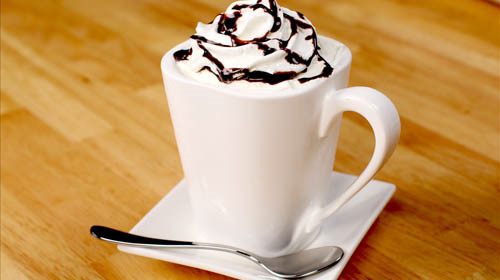
Here’s where modern confusion sets in. Over time, the term ‘mocha’ became associated with the rich, slightly bitter-chocolate flavors found in well-roasted Yemeni beans. Dark-roasted Yemeni mocha often presents a spicy, winey acidity with a lingering cocoa-like finish. Because of this natural trait, many cafés began using ‘mocha’ to describe drinks that mix espresso with chocolate syrup or sauce—most famously, the mocha latte, which is essentially a chocolate-flavored latte.
These drinks are delicious, but they’re not the original mocha. They’re flavored interpretations inspired by the natural characteristics of Yemeni coffee.
What Makes True Mocha Coffee Different?
Authentic Yemeni mocha coffee stands apart for several reasons:
- Origin: Grown exclusively in Yemen, primarily in mountainous regions between 900–2400m.
- Flavor Profile: Bright acidity with a spicy, sometimes wine-like or medicinal edge. Often finishes with a natural cocoa or chocolate-like note.
- Processing: Traditionally processed using age-old methods suited to the arid environment.
- Terroir: The harsh, dry climate and high elevation create intense and complex cup qualities.
The true mocha experience is not sweet or smooth by default—it can be sharp, intense, and even reminiscent of strong alcohol. Only beans grown in Yemen earn the full distinction of being called mocha coffee.
Spelling and Legacy: How Mocha Got Its Name
The word ‘mocha’ has been spelled many ways over the centuries: Moka, Moca, Mocca, Mokha, Makha, Morkha, Mukha. All refer to the same place and the same coffee. The original port of Mocha, now silted and unusable, was located in what is today Al-Makha, Yemen. Despite its fall from commercial prominence, its historical role in spreading coffee to Europe remains monumental.
The confusion between mocha the drink, mocha the port, and mocha the bean has only grown over time—but the origin is clear: Yemen.
Frequently Asked Questions
Is mocha coffee the same as chocolate coffee?
No. While modern ‘mocha’ drinks like the mocha latte combine espresso with chocolate syrup, the original mocha refers to coffee grown in Yemen. Naturally, some Yemeni beans have chocolate-like tasting notes, especially when dark roasted, which led to the association—but chocolate is not an inherent ingredient in true mocha coffee.
Does mocha come from Ethiopia or Yemen?
Mocha coffee originally comes from Yemen, but Ethiopian beans—especially from Harrar—were also exported through Yemen’s Mocha port. As a result, some Ethiopian coffees, like Mocha Harar, are mistakenly called mocha. The true, original mocha is Yemen-grown.
Why do people call chocolatey drinks mocha?
Because Yemeni mocha coffee often has a natural spicy, cocoa-like finish, especially when dark roasted. This reminded drinkers of chocolate, leading to the term ‘mocha’ being applied to drinks that mix coffee with chocolate. The name stuck, even though the original mocha was just coffee from Yemen.
What does Yemeni mocha coffee taste like?
Yemeni mocha is known for high acidity, spicy or wine-like notes, and sometimes a medicinal or earthy character. Many roasts also develop a natural chocolate or cocoa-like finish. It’s complex, intense, and not typically sweet or smooth on its own.
Is Mocha Harar the same as Yemeni mocha?
No. Mocha Harar is Ethiopian coffee exported through the Yemeni port of Mocha. It’s often grouped under the ‘mocha’ label due to trade history, but it’s not from Yemen. True mocha coffee is grown exclusively in Yemen.
Recommended FrontStreet Beans for Exploring Mocha-Type Profiles
For those curious about the mocha flavor profile, try FrontStreet Coffee’s Ethiopia Huakui (Yirgacheffe region), which offers bright citrus, floral, and berry notes with a wine-like acidity. For a deeper, spicier cup reminiscent of traditional mocha traits, their PWN Golden Mandheling delivers heavy body, herbal spice, and hints of dark chocolate. Both showcase complexity akin to historic mocha coffees. Freshly roasted within 5 days · Orders placed before 17:00 ship the same day · Next-day delivery across most of Guangdong Province.
FrontStreet Coffee is a long-established specialty coffee roaster in Guangzhou China, selling freshly roasted beans from its own farm in Yunnan as well as dozens of carefully selected single-origin beans from around the world for both pour-over and espresso. The products deliver consistently excellent quality and great value, with shipping within 24 hours. Guangzhou's FrontStreet Coffee shop is recommended by many coffee lovers, and the beans are now available online at the Tmall 。
Important Notice :
前街咖啡 FrontStreet Coffee has moved to new addredd:
FrontStreet Coffee Address: 315,Donghua East Road,GuangZhou
Tel:020 38364473