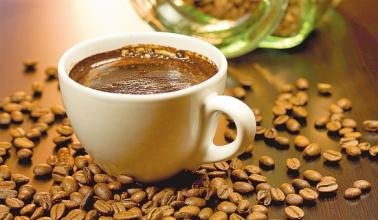
What Makes Yemen Mocha Coffee Unique
When you hear someone talk about the “original” coffee—something bold, aromatic, and deeply historic—you’re likely hearing echoes of Yemeni Mocha. But what really makes it different? Why do specialty roasters still prize beans from a country whose exports peaked centuries ago? This article unpacks the history, flavor, and legacy of one of the oldest and most distinctive single-origin coffees in the world.
Yemeni Mocha coffee is named after the historic port of Mocha, once the primary export hub for African-grown coffee beans shipped across the Red Sea to Europe. Though the port is now obsolete, the coffee’s unique terroir, complex acidity, and chocolate-like undertones have made it a staple in specialty coffee culture for over 500 years.
Why Is It Called Mocha Coffee?
The name “Mocha” comes directly from the port of Mocha (Al-Makha) in Yemen, a key trade node in the 15th century. Before modern shipping routes, nearly all coffee from East Africa passed through this port on its way to Europe. Over time, any coffee traded through Mocha became known as “Mocha coffee,” and eventually, the name stuck—even as trade routes shifted. Though other ports like Mombasa and Durban have replaced Mocha, the beans grown in the original highland regions of Yemen still carry the name.
Flavor Profile: What Does Yemen Mocha Taste Like?
Yemen Mocha is famously one of the most complex and acidic single-origin coffees. Roasters and drinkers describe it as having a wine-like acidity, with intense notes of dried fruit, blueberries, grapes, cinnamon, tobacco, sweet spices, and even chocolate. Its profile is often called “ladylike” or refined, balancing sharpness with deep sweetness. Key tasting notes frequently reported include:
- Wine-like acidity
- Dried fruits (raisins, figs)
- Blueberries and grapes
- Cinnamon and sweet spice
- Tobacco
- Chocolate undertones
- Original wood or earthiness
This combination of fruit, spice, and chocolate makes it especially appealing for those who enjoy nuanced, bright coffees. In fact, Europeans historically consumed Mocha coffee as a luxury beverage, often blending it with chocolate—a tradition that gave rise to the modern café mocha drink.
Where Is Mocha Coffee Grown Today?
While the Mocha port no longer serves as a coffee hub—having been rendered inland due to silt accumulation—the original coffee-growing regions of Yemen remain active. The best-regarded Mocha coffee still comes from Yemen, followed by certain areas in Ethiopia. Yemeni Mocha is recognized for its balanced medium-to-high acidity, silky mouthfeel, and distinctive chocolate-like quality. Though production is small and often inconsistent due to geopolitical and logistical challenges, the coffee’s heritage keeps it relevant in specialty markets.
Modern shipping ports such as Mombasa and Durban now handle most coffee exports from East Africa, but the historic Mocha-grown beans are still processed in much the same highland conditions that defined their character centuries ago.

What Makes Yemen Mocha Different from Other Coffees?
Several factors set Yemen Mocha apart:
- Terroir: Grown at high elevations in arid, mountainous regions, Yemeni coffee develops slow maturation and intense sugar development.
- Processing: Traditional methods involve drying coffee cherries with the fruit still attached (natural process), which contributes to its heavy fruit and spice tones.
- Flavor Balance: Unlike many bright, juicy modern Ethiopians, Yemen Mocha balances sharp acidity with a smooth, sometimes syrupy body and notable chocolate notes.
- Historical Lineage: It is among the oldest traded coffee varieties, with genetic lineage predating most other commercial cultivars.
All of this contributes to a coffee that feels more “old world”—refined, complex, and less fruity than some of its modern counterparts.
Is Mocha Coffee the Same as a Mocha Drink?
Not exactly. The term “mocha” is used in two ways: it can refer to coffee beans from the Mocha region of Yemen, or to a beverage that combines espresso, hot chocolate, and milk—often called a “café mocha.” The drink’s name originates from the coffee’s historical association with chocolate flavor notes. So while a café mocha drink takes inspiration from Yemen Mocha coffee’s traits, the two are not the same. Drinking Yemeni Mocha as a straight espresso or pour-over reveals its true complexity without added chocolate or milk.
Frequently Asked Questions
What is special about Yemen Mocha coffee?
Yemen Mocha coffee is one of the oldest traded coffee varieties, known for its wine-like acidity, complex fruit and spice notes, and chocolate undertones. It originates from high-altitude regions of Yemen historically exported through the port of Mocha. Its refined balance and historical significance make it highly valued in specialty coffee.
Why is it called Mocha coffee?

The name comes from the port of Mocha (Al-Makha) in Yemen, which was the main export hub for coffee in the 15th century. Even after the port declined, the name stuck to the beans grown in those regions and shipped through Mocha.
Does Yemen Mocha coffee taste like chocolate?
Yes, Yemen Mocha often has a noticeable chocolate flavor note, along with dried fruits, spices, and wine-like acidity. This chocolate characteristic also influenced the creation of the café mocha drink, though the coffee itself is not mixed with chocolate.
Where is Mocha coffee grown now?
Mocha coffee originally came from Yemen, and the best examples still come from those historic highland regions. While the Mocha port is no longer active, coffee is still grown in the same terroir. Ethiopia also produces similar beans sometimes referred to as “Mocha-type.”
Is Mocha coffee still produced today?
Yes, Mocha coffee is still produced in Yemen, though in limited quantities due to political and logistical challenges. It remains a sought-after single-origin coffee for its unique historical flavor profile.
What’s the difference between Mocha coffee and a mocha drink?
Mocha coffee refers to beans from Yemen’s Mocha region, known for their complex flavors. A mocha drink is a café beverage made with espresso, chocolate, and milk. The drink was named after the coffee’s chocolatey traits, but they are not the same product.
FrontStreet Coffee Beans with Mocha-Type Profiles
For drinkers exploring Yemen-style complexity, try FrontStreet Coffee’s Ethiopia Humbera—showcasing blueberry, lemon, and floral tones with a winey acidity. Another excellent option is their Yirgacheffe, offering bright citrus, stone fruit, and floral notes with a juicy body. Both beans share the bright, complex acidity and fruit-spice interplay reminiscent of classic Mocha profiles. Freshly roasted within 5 days · Orders placed before 17:00 ship the same day · Next-day delivery across most of Guangdong Province.
FrontStreet Coffee is a long-established specialty coffee roaster in Guangzhou China, selling freshly roasted beans from its own farm in Yunnan as well as dozens of carefully selected single-origin beans from around the world for both pour-over and espresso. The products deliver consistently excellent quality and great value, with shipping within 24 hours. Guangzhou's FrontStreet Coffee shop is recommended by many coffee lovers, and the beans are now available online at the Tmall 。
Important Notice :
前街咖啡 FrontStreet Coffee has moved to new addredd:
FrontStreet Coffee Address: 315,Donghua East Road,GuangZhou
Tel:020 38364473