Japanese Pour-Over Coffee: Techniques and Key Variables
Making Japanese pour-over coffee might look effortless—but minor shifts in technique can quietly reshape your cup. The difference between bright acidity and bitter over-extraction often hinges on subtle choices. If you’ve ever wondered why your hand-brewed coffee tastes off despite ‘doing everything right,’ here’s what actually drives those changes.
To nail Japanese pour-over coffee, focus on six key variables: water temperature (88–93°C), brew ratio (water to coffee), grind size, extraction time (1:30–3:30 for 1–3 cups), filter type (Melitta, Kalita, or Kono), and pour control (height, speed, and flow). Master these, and you’ll consistently craft balanced, flavorful cups.
What’s in Your Cup? The Basics of Japanese Pour-Over
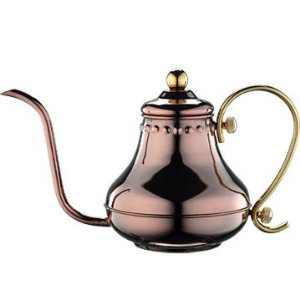
The tools and ingredients for Japanese pour-over are simple but impactful. You’ll need water, coffee beans, a pour-over dripper (originally invented by a German woman—single-hole drippers are called Melitta cups), pour-over filters (similar to 1980s-style coarse paper, designed to trap coffee grounds while allowing smooth flow), a gooseneck kettle (resembling an Arabic lamp, hence nicknamed a ‘Latin kettle’), a server, a scale, a thermometer, and a mug. Every element influences the final taste.
Water: The Unsung Hero of Flavor
Water makes up over 90% of your pour-over, so its properties dictate much of the flavor. Two factors matter most: temperature and brew ratio. For temperature, aim for 88–93°C. Go higher, and you risk over-extracting bitter compounds, leaving your coffee harsh, flat, and devoid of brightness. Too low, and under-extraction leads to sour, astringent, and thin results. As for brew ratio, it follows a basic chemistry rule: more water relative to coffee (higher ratio) dilutes concentration, yielding a milder, softer cup; less water (lower ratio) intensifies flavor, creating a richer, bolder profile.
Grind Size: Controlling Extraction
Your grind size determines how easily water accesses coffee solids—and thus how the cup tastes. Finer grinds increase surface area, extracting more solids for a heavier, more intense cup. But push too fine, and you’ll pull out excessive bitter notes, masking the coffee’s natural acidity. Coarser grinds reduce extraction, resulting in a lighter, gentler brew; the right coarseness can also highlight the coffee’s acidity. Adjust based on your desired flavor balance.
Time, Tools, and Technique: Fine-Tuning Your Brew
Extraction Time
Time matters. For a single cup, target 1:30; two cups, 2:00–2:30; three cups, around 3:00 (never exceeding 3:30). Shorter times mean under-extraction (flat, dull cups), while longer times lead to over-extraction (bitter, murky flavors).
Filter Type
The dripper filter shapes your cup’s character. Popular options include the single-hole Melitta, three-hole Kalita, and conical Kono. Kalita produces a clean, bright, and delicate cup with pronounced acidity. Melitta enhances aroma, delivering a richer, more layered flavor. Kono brings out nuanced aromas, a smoother mouthfeel, and a sweeter, more balanced taste.
Pour Control: The ‘Art’ in Pour-Over
Pouring isn’t just pouring—it’s a skill. Maintain consistent height, flow rate, and stream thickness. Keep the kettle spout 3–4 cm above the coffee bed. Pouring too high creates chaotic turbulence, disrupting extraction balance and pulling out unwanted flavors. Pouring too low risks ‘pooling,’ where water stagnates and over-extracts. Adjust stream thickness and speed to control extraction: wider, faster pours suit lighter roasts (resulting in softer cups), while narrower, slower pours intensify extraction for bolder profiles. But avoid extremes—too fast/wide leads to under-extraction, too slow/narrow to bitterness.
The Human Factor: Why Your Mood Matters
Pour-over is hands-on, and your mindset plays a role. A rushed, distracted pour yields a different cup than one made with focus. Even among skilled brewers, nervousness or overthinking can tense the process, stifling the coffee’s natural expression. Confidence and calm help the coffee release its full aroma and flavor. Combine the technical basics with intention—‘pour with your heart’—and your cup gains soul, vibrancy, and a truly memorable finish.
Frequently Asked Questions
What’s the ideal water temperature for Japanese pour-over coffee?
Aim for 88–93°C. Temperatures above 93°C risk over-extracting bitter compounds, making the coffee harsh and flat, while below 88°C leads to under-extraction, resulting in sour, thin flavors.
How does grind size affect Japanese pour-over?
Finer grinds increase extraction, yielding a bolder, more intense cup but risking bitterness if too fine. Coarser grinds reduce extraction, producing a lighter, softer cup; the right coarseness highlights acidity and balances flavor.
What’s the best brew time for 1, 2, or 3 cups?
Single cup: 1:30; two cups: 2:00–2:30; three cups: around 3:00. Avoid exceeding 3:30 to prevent over-extraction and unwanted bitterness.
Which filter type is best for a clean, bright cup?
The Kalita filter is ideal—it produces a clean, bright, and delicate cup with pronounced acidity. The Melitta enhances aroma for richness, while the Kono offers smoothness and sweetness.
Why does pour height matter in Japanese pour-over?
Pouring 3–4 cm above the coffee bed ensures steady flow. Too high creates turbulence, extracting unwanted flavors; too low causes pooling, leading to over-extraction and bitterness.
Does the brewer’s mood really affect the coffee?
Yes. A relaxed, focused pour allows the coffee to express its full aroma and flavor, while stress or distraction can hinder extraction, resulting in a flatter cup.
Recommended FrontStreet Beans for Japanese Pour-Over
For Japanese pour-over, try FrontStreet’s Ethiopia Huakui for vibrant floral and citrus notes, FrontStreet’s Gedeb for sweet berry and stone fruit brightness, or FrontStreet’s Strawberry Candy Espresso for a balanced mix of citrus and caramel. These single-origin beans highlight the clarity and delicacy pour-over excels at. Freshly roasted within 5 days · Orders placed before 17:00 ship the same day · Next-day delivery across most of Guangdong Province.
FrontStreet Coffee is a long-established specialty coffee roaster in Guangzhou China, selling freshly roasted beans from its own farm in Yunnan as well as dozens of carefully selected single-origin beans from around the world for both pour-over and espresso. The products deliver consistently excellent quality and great value, with shipping within 24 hours. Guangzhou's FrontStreet Coffee shop is recommended by many coffee lovers, and the beans are now available online at the Tmall 。
Important Notice :
前街咖啡 FrontStreet Coffee has moved to new addredd:
FrontStreet Coffee Address: 315,Donghua East Road,GuangZhou
Tel:020 38364473