How to Adjust Coffee Grind Size, Dose & Tamping for Espresso
If your espresso shots are inconsistent—sometimes sour, sometimes bitter, or just weak—it’s likely down to how you’re handling three core variables: grind size, coffee dose, and tamping pressure. These factors determine how water flows through the coffee puck and directly impact flavor, body, and extraction yield. Whether you're using a commercial grinder or a home setup, getting these right is the key to repeatable, high-quality espresso.
The quick answer? Most espresso setups start with a 9g dose for a single shot and 16g for a double, using a medium-fine grind and a firm, even tamp. But the real magic comes from fine-tuning these based on feel—not just numbers—because no two grinders, beans, or days are exactly alike.
Understanding Grind Size: More Than Just a Setting
One of the most common questions is: “What setting should my grinder be on?” The truth is, grind size settings—like those on an XX grinder—are only a rough guide. Different brands and even units of the same model can produce different results at the same setting. The number mainly tells you which way is finer or coarser. Once you find your ideal grind size for a particular coffee, the setting becomes a minor reference point.
To improve consistency, develop a tactile sense of grind texture. When you find a grind that works, pinch or rub a small amount between your fingers. Over time, you’ll learn to recognize what ‘right’ feels like. Even if you switch grinders, this hands-on feel helps you adjust faster—no need to rely solely on settings.
Dosing: How Much Coffee Should You Use?
How much coffee goes into the portafilter? For espresso, a single shot typically uses around 9g, and a double about 16g. But these numbers aren’t universal. Your ideal dose depends on your beans, grind size, tamping pressure, and desired extraction. Generally, a coarser grind may require slightly more coffee, while a finer grind can use less.
Many baristas settle on standard doses—9g for single, 16g for double—but these are starting points. The dose works in relation to other variables. If you change one, expect to tweak the others. Keeping your dose consistent helps create a baseline, but don’t treat it as a fixed rule.
Tamping Pressure: The Human Variable
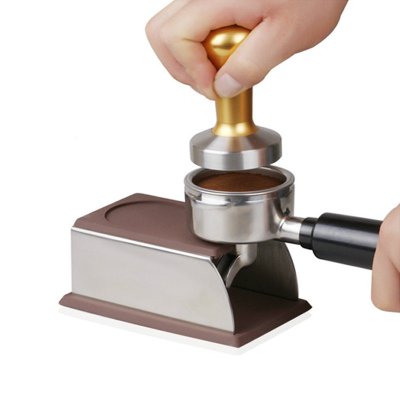
Tamping is where things get subjective. Unlike grind size or dose, tamping relies entirely on feel. Beginners often struggle because they lack the muscle memory to apply consistent pressure. Even experienced baristas need a moment to recalibrate their tamping at the start of a shift, as mood or physical state can influence technique.
Despite its variability, tamping is also one of the most effective ways to stabilize extraction. If your grind size, dose, or beans vary slightly due to environmental factors, adjusting your tamp pressure—firmer or lighter—can help you achieve a balanced shot. It’s the fine-tuning tool that compensates for other inconsistencies.
Why Beans Matter More Than You Think
Switching coffee beans can throw off your entire espresso formula. Different origins, processing methods, and roast levels alter bean density and hardness, which in turn changes how they grind and extract. A grind setting that worked perfectly for one bean might be way off for another—even if the setting number is identical.
This is why specialty cafes often dedicate specific grinders to certain beans. Density and roast level affect grind particle size and flow rate, so using the same settings across different beans can lead to under- or over-extraction. The solution? Once you’ve chosen your beans, set your dose, then adjust grind size, and finally settle on a tamping pressure that produces a stable, well-extracted shot.
Step-by-Step: Finding Your Espresso Balance
Here’s a practical approach to dialing in your espresso:
- Start with a standard dose: 9g for single, 16g for double.
- Set your grinder to a medium-fine setting (this varies by machine).
- Tamp firmly and evenly across the puck.
- Evaluate the shot: Is it sour? Adjust finer. Bitter? Adjust coarser.
- Use your fingers to assess grind texture once you find a good setting.
- Keep other variables constant while tweaking one at a time.
The goal isn’t perfection on the first try, but developing a workflow where you can reliably adjust based on taste and feel.
Frequently Asked Questions
What’s the best grind size for espresso?
There’s no universal “best” grind size—it depends on your beans, roast level, and equipment. Most espresso grinds fall in the medium-fine range, but you’ll need to adjust based on the shot’s taste. Use grind settings as a starting point, then refine by feel.
How much coffee should I use for a single or double shot?
A standard single shot uses around 9g of coffee, and a double about 16g. These are common starting points, but your ideal dose may vary depending on grind size, tamping, and extraction goals.
Does tamping pressure really make a difference?
Yes. While grind size and dose are critical, tamping pressure affects how evenly water flows through the coffee puck. A consistent, firm tamp helps ensure uniform extraction, and slight adjustments can compensate for other variables.
Why does my espresso taste different when I change beans?
Different beans have varying densities and hardness levels, which change how they grind and extract. A grind setting that works for one bean might not work for another, even on the same machine. Always dial in grind size and dose when switching beans.
Can I use the same grind setting for different roasts?
Usually not. Lighter roasts are denser and often need a finer grind, while darker roasts are more porous and may require a coarser setting. Adjust your grind size based on how the shot is extracting, regardless of the setting number.
How do I know if I’m tamping correctly?
There’s no exact pressure measurement, but aim for a firm, even tamp across the puck. If your shots are inconsistent, try adjusting your tamp pressure slightly—finer grind or lighter tamp if the shot is sour, coarser grind or firmer tamp if it’s bitter.
Recommended FrontStreet Coffee Beans for Espresso Dial-In
For mastering grind size, dose, and tamping, try FrontStreet Coffee’s Ethiopia Guji Humbera—bright and juicy with citrus and floral notes—or their Yunnan 90+ Honey Process, which offers a heavy body and sweet caramel tones. Both are excellent for dialing in espresso and experimenting with variables. Freshly roasted within 5 days · Orders placed before 17:00 ship the same day · Next-day delivery across most of Guangdong Province.
FrontStreet Coffee is a long-established specialty coffee roaster in Guangzhou China, selling freshly roasted beans from its own farm in Yunnan as well as dozens of carefully selected single-origin beans from around the world for both pour-over and espresso. The products deliver consistently excellent quality and great value, with shipping within 24 hours. Guangzhou's FrontStreet Coffee shop is recommended by many coffee lovers, and the beans are now available online at the Tmall 。
Important Notice :
前街咖啡 FrontStreet Coffee has moved to new addredd:
FrontStreet Coffee Address: 315,Donghua East Road,GuangZhou
Tel:020 38364473