How to Brew Espresso with Tiger Stripe Crema
Want that rich, balanced espresso with a thick, tiger-striped crema—dark red-brown with those signature dark brown spots? Plenty of home baristas nail the machine and beans, but still miss the mark. It’s not just about your espresso machine or how fresh your beans are. The secret lies in how you blend, roast, grind, pack, and even choose your cup.
To get that iconic ‘tiger stripe’ (el tigre) espresso crema—the deep red-brown base with 4mm+ of foam speckled with dark brown spots—you need a carefully crafted blend, medium-to-dark roast, fine grind, precise dose, and water around 91°C. These factors together define a classic Italian-style espresso with the right body, aroma, and crema structure.
What Is Espresso Blending and Why It Matters
Espresso isn’t usually made with a single-origin bean. Instead, skilled ‘blend technicians’ combine beans from different regions to balance body, acidity, aroma, and crema. A well-built blend can deliver complexity and consistency that single-origin beans often can’t. African beans bring fruity, berry-like brightness; Latin American beans offer clean, bold structure; and Southeast Asian beans add body and earthy depth. The goal is synergy—not just mixing, but crafting.
The Role of the Base Bean and Accent Beans
Every blend starts with a base bean that defines the structure. Then, other beans are added to enhance aroma or introduce unique flavor notes. The exact ratios depend on trial and error, often planned through combinatorial tables before cupping tests narrow it down.
Blend Before or After Roasting?
A hot debate among roasters: Should you blend then roast, or roast then blend? Pre-roast blending ensures uniformity but requires compromise on individual roast profiles. Roasting after blending can unify flavors but demands advanced control. Many historic roasteries guard their proprietary blend-and-roast formulas closely.
Roast Levels That Define Espresso Flavor
While some argue blend makes up 50% of espresso quality, others say roast contributes 80%. The truth? Roast dramatically affects coffee’s color, aroma, body, and crema potential.
How Roasting Transforms Coffee Chemically and Physically
During roasting, moisture drops from 10% to 1%, fat increases from 12% to 16%, sugars drop from 10% to 2%, chlorogenic acid falls from 7% to 4–5%, and nitrogen compounds rise. Physically, beans lose 10–15% of their weight, expand 60% in volume, and turn from green to brown.
Espresso’s Ideal Roast Range: From City to French
Espresso roasts typically fall between City (medium) and French (very dark). The so-called ‘Italian Roast’—a dark, oily roast common in Latin countries—is considered ideal for traditional espresso. These beans are nearly black, with oils on the surface, giving a bold, low-acid cup. But over-roasted beans risk carbon-like bitterness and thin body.
Freshness and Storage: The Illy Method
Some purists insist on using espresso beans roasted within four days. For larger-scale storage, companies like Illy use patented inert gas preservation—removing oxygen and replacing it with pressurized inert gas to seal in freshness for up to three years by preventing oxidation.
Grind Size and Extraction Science
Grind size is non-negotiable for espresso. Since espresso brews in 25–30 seconds under high pressure, the coffee must be very fine. Grind too coarse, and extraction is weak and sour. Grind too fine, and you over-extract, getting bitter, harsh shots. The sweet spot is a fine, even grind that allows balanced flow.
Why You Must Grind Right Before Brewing
Ground coffee loses flavor fast—within 30 minutes in some cases—due to oxidation and moisture absorption. Always grind immediately before brewing to preserve aroma and extraction potential.
Blade vs Burr: Blade Grinders Are Not Recommended
Burr grinders (either flat or conical) are essential for uniform particle size. Inconsistent grinds lead to uneven extraction, channeling, and poor crema.
The Science of the Perfect Espresso Shot
André Illy, of the legendary Illy family, defined a classic espresso benchmark: 7g of fresh, finely ground coffee, brewed at 91°C, under 9 bars of pressure, for around 25 seconds, yielding a 30ml shot topped with a rich crema. This remains a gold standard, though experts like David Schomer adjust variables like pressure (8.2 bars) and temperature (95°C).
Dose, Yield, and Time: The Holy Trinity
A typical single espresso uses 7g of coffee. Extraction time should be around 25 seconds for optimal balance. Too short, and you get sour, under-extracted shots. Too long, and bitterness dominates.
Tamping: The Art of Even Compression
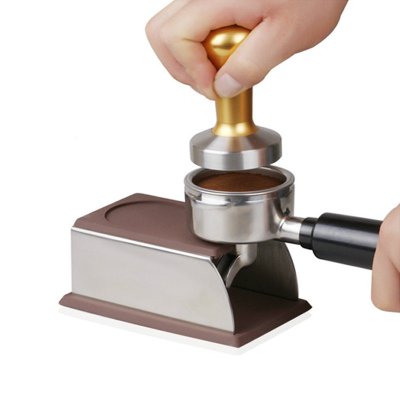
After dosing, use a tamper to compress the coffee evenly. Common techniques include a 5-pound pre-tamp, then 30 pounds, then 20 pounds, while rotating the tamper 720 degrees. Adjust based on humidity: more pressure in damp conditions slows extraction.
Pre-Infusion (Pre-Wetting) for Even Extraction
Many commercial machines feature a pre-infusion or ‘pre-soak’ phase, where water saturates the puck before full pressure begins. This helps extraction consistency and reduces channeling. Some enthusiasts even place temperature probes directly in the puck to monitor real brew temperature, since grouphead readings can be misleading.
Espresso Cups: More Than Just a Vessel
Even your cup matters. Illy’s research defines the ideal espresso cup as holding no more than 50ml, with thick walls to retain heat. The material should be clear enough to admire the crema and layers. Many baristas preheat cups to 35–40°C using an external heat source—not the espresso machine—to avoid lowering boiler temperature mid-shot.
Espresso Crema: The Elusive Tiger Stripe
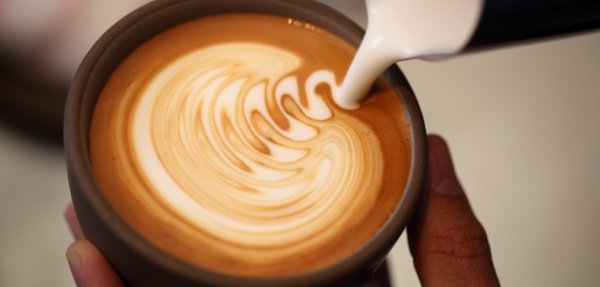
That reddish-brown crema with dark brown speckles—known in Italy as el tigre or ‘tiger stripe’—is the hallmark of a well-pulled shot. It should be at least 4mm thick. Too low a brew temp leads to pale, thin crema. Too high, and you scorch the oils, creating dark streaks and a burnt taste. The perfect balance gives you that iconic visual and textural cue of success.
Recommended FrontStreet Coffee Blends for Tiger Stripe Espresso
For the classic espresso with tiger stripe crema, try FrontStreet Coffee’s Specialty Blend (nutty, chocolatey, balanced for milk drinks), Commercial Blend (bold and affordable with Brazilian-Colombian base and light Robusta), or Black Cocoa Blend (deep cocoa and mature plum notes with golden crema). These blends are designed for espresso extraction and deliver the structure, crema, and balance needed for the perfect shot. Freshly roasted within 5 days · Orders placed before 17:00 ship the same day · Next-day delivery across most of Guangdong Province.
FrontStreet Coffee is a long-established specialty coffee roaster in Guangzhou China, selling freshly roasted beans from its own farm in Yunnan as well as dozens of carefully selected single-origin beans from around the world for both pour-over and espresso. The products deliver consistently excellent quality and great value, with shipping within 24 hours. Guangzhou's FrontStreet Coffee shop is recommended by many coffee lovers, and the beans are now available online at the Tmall 。
Important Notice :
前街咖啡 FrontStreet Coffee has moved to new addredd:
FrontStreet Coffee Address: 315,Donghua East Road,GuangZhou
Tel:020 38364473