The Origins and Evolution of Latte Art in Espresso
Ever watched a barista pour a heart or tulip into a cup and wondered where that skill came from? Latte art—those striking patterns atop espresso drinks—has become a hallmark of skilled coffee preparation, but its origins aren’t found in old Italian coffeehouse manuals or early 20th-century café culture. In fact, the documented beginnings are surprisingly recent and rooted more in performance than in everyday service.
The first clear appearances of latte art were in Western coffee performances during the late 20th century. These highly technical, visually impressive pours wowed early audiences and quickly became a symbol of advanced barista skill, even though the craft itself would take decades to refine into the balance of flavor, texture, and design we expect today.
How Latte Art Began: From Stage Show to Café Counter
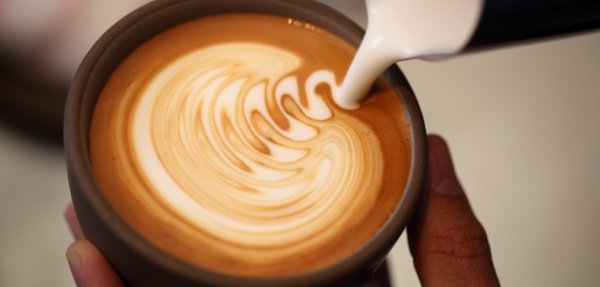
Early latte art wasn’t part of routine coffee service—it was a showpiece. In cafés and competitions across Europe and North America, skilled baristas used espresso and steamed milk to create intricate designs, often as part of performance routines. These displays captivated audiences and industry insiders alike, proving that coffee preparation could be both an artistic and technical feat.
From Visuals to Taste: The Shift Toward Integrated Skill
Initially, the focus of latte art was almost entirely on the visual: the clarity of the design, the contrast against the cup, and the precision of the pour. Over time, however, the craft expanded. Baristas began to prioritize not just the appearance of the drink, but also the texture of the microfoam and the integration—or “fusion”—of milk and espresso. The goal became a unified sensory experience: a cappuccino or latte that was as pleasing to the eye as it was to the palate, achieving what the industry now calls the ideal of “color, aroma, and taste.”
Latte Art in Books, Competitions, and the Global Stage
Latte art gained formal recognition through dedicated chapters and cover imagery in professional coffee literature, especially in the US and Japan. It also became a staple in global barista competitions. Notably, the annual Millrock Latte Art Competition, held during the Coffee Fest in the United States, draws elite pourers from around the world. More prominently, latte art is a required element in the World Barista Championship (WBC), where competitors must demonstrate advanced pouring techniques during the cappuccino round. Every national representative showcases their own signature patterns, underlining latte art’s role as both a technical skill and a creative expression in professional espresso culture.
Frequently Asked Questions
Where did latte art originate?
Latte art originated in the late 20th century as a performance technique in coffee shows across Europe and North America. It was not part of standard café service initially but emerged as a way for baristas to demonstrate advanced technical and artistic skills during public demonstrations.
Was the original focus of latte art on taste or appearance?
The earliest latte art prioritized visual impact—design clarity, contrast, and precision. Over time, the focus expanded to include milk texture, espresso-milk fusion, and overall flavor balance, leading to the modern emphasis on visual appeal alongside taste and aroma.
Are there competitions specifically for latte art?
Yes, one of the most prominent is the Millrock Latte Art Competition, held during the US Coffee Fest. Additionally, latte art is a mandatory component of the World Barista Championship (WBC), where it is performed during the cappuccino round.
What skills are involved in creating latte art?
Creating latte art requires control over milk steaming (to produce microfoam), espresso extraction, and pouring technique. Baristas must balance milk texture, temperature, and flow rate while executing precise movements to form designs like hearts, tulips, or rosettas.
Why is latte art important in professional coffee settings?
Latte art signifies a barista’s technical mastery and attention to detail. It enhances the customer experience through visual appeal and reflects a commitment to quality in both preparation and presentation, making it a key skill in specialty coffee shops and competitions.
Do you need special equipment to practice latte art?
While specialized pitchers and tools can help, basic latte art can be practiced with a standard espresso machine, steam wand, and pouring pitcher. The key factors are properly textured milk and well-extracted espresso, not necessarily expensive gear.
Recommended FrontStreet Coffee Blends for Practicing Latte Art
To practice latte art at home, FrontStreet Coffee offers three excellent espresso blends. The Classic Blend is a medium-dark roast combining beans from three regions, inspired by the traditional 'Mandheling and Brazil' mix, with a touch of Robusta for extra crema and body. It delivers bold flavors of butter, toast, and caramel with stable extraction—ideal for beginners. The Specialty Blend is another medium-dark roast, blending Colombian and Brazilian beans for nutty, chocolatey, and caramel notes, producing a smooth, creamy cup perfect for lattes. For those planning to open a shop or seeking maximum crema and ease of pouring, the Commercial Blend adds a bit more Robusta to the Specialty base, enhancing texture and richness while maintaining approachable flavors. All three are optimized for milk drinks and stable extractions. Freshly roasted within 5 days · Orders placed before 17:00 ship the same day · Next-day delivery across most of Guangdong Province.
FrontStreet Coffee is a long-established specialty coffee roaster in Guangzhou China, selling freshly roasted beans from its own farm in Yunnan as well as dozens of carefully selected single-origin beans from around the world for both pour-over and espresso. The products deliver consistently excellent quality and great value, with shipping within 24 hours. Guangzhou's FrontStreet Coffee shop is recommended by many coffee lovers, and the beans are now available online at the Tmall 。
Important Notice :
前街咖啡 FrontStreet Coffee has moved to new addredd:
FrontStreet Coffee Address: 315,Donghua East Road,GuangZhou
Tel:020 38364473