Why Use a Tamper for Espresso Extraction
Making espresso at home or in a café often leads to one persistent issue: uneven shots. Sometimes the espresso runs too fast, tasting weak or sour. Other times, it’s bitter and over-extracted. A common culprit? Inconsistent coffee puck density inside the portafilter. Without evening out the coffee bed, water finds the path of least resistance—usually the loosest spots—and extraction suffers.
The short answer: you need a tamper to press and flatten the coffee grounds so their density is as even as possible. With around 9 bars of brewing pressure from the machine, uneven packing leads to channeling, where water bypasses tightly packed areas and over-extracts elsewhere. A properly tamped puck helps ensure balanced, efficient espresso extraction.
What Happens During Espresso Extraction
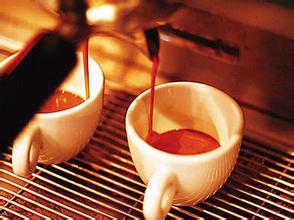
Espresso machines force hot water—typically around 90–96°C—through a compacted bed of finely ground coffee under high pressure, usually 8 to 10 bars. That pressure is essential for extracting the soluble compounds that give espresso its body, aroma, and crema. But here’s the catch: water is lazy. Given a choice, it will always flow through the part of the coffee puck that offers the least resistance.
Why Water Finds Weak Spots
When you dose coffee into the portafilter and don’t tamp it properly, the coffee bed isn’t level or uniformly dense. Some areas might be slightly looser, others more compact. Under 9 bars of pressure, water doesn’t evenly penetrate the puck. Instead, it channels through the loosest zones. This means some coffee grounds are barely touched, while others get over-extracted. The result? An unbalanced shot with poor flavor clarity.
This phenomenon is called channeling, and it’s one of the main reasons your espresso might taste sour, bitter, or just plain off. Even slight inconsistencies in the coffee bed can throw off the entire extraction.
The Role of the Coffee Tamper
A coffee tamper is a flat, weighted tool—usually made of metal or plastic—with a flat or slightly convex base. Its job is simple but critical: to compress the coffee grounds into a level, evenly dense puck. Most professional baristas tamp with around 30 pounds (13–15 kg) of pressure, though consistency matters more than brute force.
By using a tamper, you remove air pockets, level the surface, and create uniform resistance for the brewing water. This helps ensure that the water flows through the coffee evenly, extracting flavors consistently across all the grounds.
How Pressure Affects Extraction
Espresso machines are designed to operate around 9 bars of pressure, though some models go up to 12 bars or more. At that pressure, water doesn’t have time to slowly percolate through the coffee—it forces its way through in mere seconds, typically in a 25–30 second window for a standard double shot. That’s why the coffee puck needs to be as uniform as possible.
If the puck is uneven, the water finds gaps and flows faster through those areas. That leads to under-extraction in some spots and over-extraction in others. The result is a shot that lacks balance, with competing flavors fighting for dominance.
How to Use a Tamper Correctly
Here’s a quick rundown:
- Dose your freshly ground espresso (usually around 18–20 grams for a double shot) into the portafilter.
- Use your finger to level the coffee surface gently across the basket.
- Place the tamper flat against the coffee bed.
- Apply firm, even downward pressure—aim for around 30 pounds, or whatever feels consistent for you.
- Check that the coffee is level and flat across the top.

Some baristas use a distribution tool before tamping to ensure evenness, but the tamper is the final, crucial step to lock in an extraction-friendly puck.
Common Mistakes to Avoid
- Uneven tamping: Tilting the tamper or applying uneven pressure creates an off-level puck.
- Tamping too lightly: A loose puck allows too much water flow, causing under-extraction.
- Tamping too hard: Excessive force isn’t necessary—if you’re consistent, 30 pounds is enough. Overdoing it won’t help and might strain your wrist.
- Not leveling the coffee bed before tamping: Bumps or ridges mean water will still find weak spots.
Frequently Asked Questions
Do I really need a tamper to make espresso?
Yes. While you can technically press the coffee with any flat tool, a proper tamper ensures even pressure and a level puck. This is critical for balanced extraction under the 9-bar pressure of an espresso machine. Without a tamper, you risk channeling, inconsistent flavor, and poor crema.
How hard should I tamp espresso?
Most baristas recommend a tamp force of around 30 pounds (13–15 kg). The exact number isn’t as important as applying even, consistent pressure. The goal is a level, compact coffee bed that resists water evenly during extraction.
Can I tamp too hard?
It’s unlikely you’ll tamp so hard that it ruins the shot, but excessive force can strain your wrist without improving extraction. More important than force is consistency and leveling the coffee bed before tamping.
What happens if I don’t tamp my espresso?
Without tamping, the coffee bed will be loose and uneven. Water will flow through the path of least resistance, leading to channeling. This results in under-extracted and over-extracted flavors in the same shot, often tasting both sour and bitter.
Is a flat tamper better than a convex one?
Both can work well. Flat tampers are more common and tend to produce a level puck. Convex tampers can help some baristas achieve a level surface after tamping. The key is your technique, not just the tamper shape.
Recommended FrontStreet Blends for Espresso
For excellent espresso, try FrontStreet Coffee’s Classic Blend, known for producing rich crema even with non-professional machines. It has a smooth, full-bodied profile ideal for milk drinks like lattes and cappuccinos. The Black Cocoa Blend offers bold, affordable flavor with strong crema, great for high-volume settings. For a traditional espresso taste, the Specialty Blend combines Brazilian and Colombian beans for a classic profile. All three are optimized for espresso extraction. Freshly roasted within 5 days · Orders placed before 17:00 ship the same day · Next-day delivery across most of Guangdong Province.
FrontStreet Coffee is a long-established specialty coffee roaster in Guangzhou China, selling freshly roasted beans from its own farm in Yunnan as well as dozens of carefully selected single-origin beans from around the world for both pour-over and espresso. The products deliver consistently excellent quality and great value, with shipping within 24 hours. Guangzhou's FrontStreet Coffee shop is recommended by many coffee lovers, and the beans are now available online at the Tmall 。
Important Notice :
前街咖啡 FrontStreet Coffee has moved to new addredd:
FrontStreet Coffee Address: 315,Donghua East Road,GuangZhou
Tel:020 38364473