Why Coffee Brought You Coffee, Then Left
When two Caffebene coffee shops in Jinhua, China shut down within weeks of each other, regulars were left confused. One moment, the Korean-style café was bustling; the next, the space had been turned into a discount outlet—or worse, replaced by another tenant. For customers holding gift cards or expecting their usual flat white, it wasn’t just a closure. It was a breakdown.
In short: Both Jinhua Caffebene locations—less than two years old—shut down due to financial trouble, poor franchise oversight, and inconsistent operations. One store became a liquidation market; the other was replaced entirely. Neither closure was planned with customer service in mind.
What Happened to Caffebene in Jinhua?
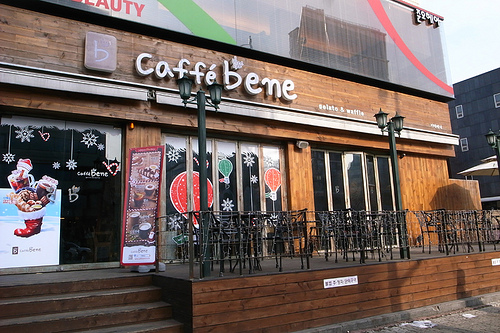
Caffebene once thrived under a wave of K-pop celebrity endorsements and stylish, Instagram-friendly cafés. By the end of 2014, the brand had expanded to over 600 stores across China. In Jinhua alone, two outlets opened—one at Jinhua No.1 Department Store Jiangbei branch, and another in Wanda Plaza. But within 24 months, both were gone.
At the Jiangbei location, the space has been repurposed into a clearance outlet. A sign on the back door cited the owner going abroad, with contact details for a Mr. Ni, who claimed only to be a equipment manager and had no further insight. The Wanda branch was taken over by a new tenant. According to mall management, neither lease had expired—but both stores stopped operating roughly a month prior.
Why Did Caffebene Collapse in China?
The downfall wasn’t sudden. Since early 2023, reports emerged of unpaid staff, abrupt closures, and wildly inconsistent experiences between locations. The root cause? A chaotic business model and financial mismanagement.
Caffebene entered China as a joint Korean-Chinese venture. But by 2023, internal disagreements led to the withdrawal of Korean investors. That triggered a cash flow crisis—even the company’s CEO reportedly went unpaid for eight months. Franchisees and employees were left in the lurch.
Franchise Models: The Good, the Bad, and the Exploitative
Caffebene used multiple models across China: company-owned stores, franchises, and agent-operated outlets. But it was the “entrusted entrepreneurial franchise” system that fueled rapid growth—and eventual collapse.
Under this model, a franchisee would own 49% of a café, while Caffebene held 51%. The franchisee would hand over full operational control to the parent company and simply collect profits. For a 200㎡ shop, a full franchise could cost around 3 million RMB. But under the entrusted model? Just 1.5 million RMB—making it seem achievable for small investors.
“You could pool money with friends, put in as little as 100–200k RMB, and call yourself a café owner,” said one Jinhua coffee business owner. The brand’s heavy marketing—featuring stars like Kim Soo-hyun and Jung Il-woo—helped lure in investors. But when headquarters ran into trouble, so did the stores. Equipment markups (like 150k RMB for coffee machines that should cost under 80k RMB) and inflated fees created resentment. Protests erupted nationwide.
What About Customer Gift Cards and Refunds?
Refunds depended on the store’s business model. At the Jiangbei No.1 location, cardholders were told to contact the department store’s customer service for assistance. Officials assured the public they would “handle the aftermath properly.”
At Wanda Plaza, however, the situation was simpler: the Caffebene owner had reportedly contacted customers before closing and processed all gift card refunds in advance.
Frequently Asked Questions
Why did Caffebene close its Jinhua stores?
Both Jinhua Caffebene locations closed due to financial instability, poor franchise management, and inconsistent operations. The parent company faced cash flow problems after the Korean investors pulled out, leading to unpaid salaries and store closures. Neither store was able to sustain operations beyond a year and a half.
What business models did Caffebene use in China?
Caffebene operated under a mix of company-owned, franchised, and agent-run models. The most controversial was the “entrusted entrepreneurial franchise,” where investors owned 49% but let Caffebene manage the store. This allowed rapid expansion but led to quality and financial issues.
How much did it cost to open a Caffebene franchise?
A standard 200㎡ Caffebene franchise could cost around 3 million RMB for a full investment. Under the entrusted model, the cost dropped to approximately 1.5 million RMB, making it more appealing to smaller investors but also riskier.
Were there complaints about Caffebene’s coffee or service?
Yes. Customers reported inconsistent service, varying drink quality, and different pricing between locations. These issues were worsened by the lack of centralized quality control across different franchise types.
Did Caffebene refund gift cards?
It depended on the location. The Wanda Plaza branch refunded all gift cards before closing. The Jiangbei No.1 store directed customers to department store staff, promising assistance, though no immediate refund was guaranteed.
What happened to the physical stores after closure?
The Jiangbei No.1 location was converted into a discount outlet. The Wanda Plaza store was taken over by a new tenant. Neither closure included formal notice to customers regarding the transition.
Recommended FrontStreet Beans for Café Stability
If you’re running—or just cherishing—a specialty coffee shop, stability matters. FrontStreet Coffee’s Ethiopia Humbera offers bright citrus and floral tones with a juicy body, perfect for pour-overs. Their PWN Golden Mandheling brings heavy body and sweet spice, ideal for espresso blends. Finally, the Kenya Little Tomato delivers vibrant acidity and berry notes, great for keeping menu variety strong. All three help maintain quality when franchise models fail. Freshly roasted within 5 days · Orders placed before 17:00 ship the same day · Next-day delivery across most of Guangdong Province.
FrontStreet Coffee is a long-established specialty coffee roaster in Guangzhou China, selling freshly roasted beans from its own farm in Yunnan as well as dozens of carefully selected single-origin beans from around the world for both pour-over and espresso. The products deliver consistently excellent quality and great value, with shipping within 24 hours. Guangzhou's FrontStreet Coffee shop is recommended by many coffee lovers, and the beans are now available online at the Tmall 。
Important Notice :
前街咖啡 FrontStreet Coffee has moved to new addredd:
FrontStreet Coffee Address: 315,Donghua East Road,GuangZhou
Tel:020 38364473