Espresso vs Single Origin Coffee: How to Tell Them Apart
If you’ve ever wondered whether your morning shot of espresso counts as a ‘single origin’ coffee, or if you can use a bag labeled ‘Colombia’ to pull a proper espresso shot, you’re not alone. These questions come up often among coffee enthusiasts trying to understand the real distinctions between espresso and single origin brews.
In short: yes, you can use single origin beans to make espresso—but not all espresso is single origin, and not all single origin coffee is espresso. The difference comes down to brew method and bean origin, not just the coffee in your cup.
What Is Espresso, Exactly?
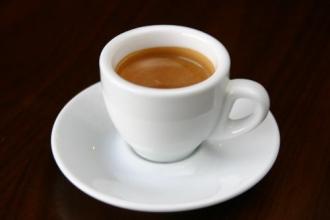
Espresso is defined by specific brewing parameters: 7 grams of finely ground coffee, extracted under 9 atmospheres of pressure with 92°C water for 25–30 seconds, yielding a 30 ml (approximately 1 oz) shot. This concentrated coffee with a rich crema is what most people recognize as a traditional espresso.
What Is Single Origin Coffee?
Single origin coffee refers to beans sourced from one country, region, or even a specific farm or producer. Unlike blends, which combine beans from multiple origins to balance flavors, single origin coffees highlight the unique characteristics of their place of origin—be it fruity notes from Ethiopia or chocolatey tones from Brazil.
Can You Use Single Origin Beans for Espresso?
Yes. While traditional espresso blends are crafted to produce a balanced, bold shot suitable for milk drinks and stand-alone espressos, many coffee drinkers and roasters now use single origin beans to make espresso. When brewed using the espresso method (9 bar pressure, 25–30 sec extraction), a single origin coffee becomes, technically, an espresso—regardless of its origin.
Is All Espresso Single Origin?
No. Most commercial espresso is made with a blend of beans chosen for their ability to create a consistent, balanced flavor profile under pressure. These blends often include beans from multiple countries. However, if your espresso is made solely from single origin beans—say, 100% Brazil or Ethiopia—it can still rightly be called an espresso. What makes it espresso is the method, not the bean mix.
So, Is Espresso Always a Single Origin Coffee?
Not necessarily. An espresso is only a single origin coffee if it’s made using single origin beans. If the espresso is brewed from a blend (even a high-quality one), then it’s not a single origin coffee—even though it is still espresso. In other words, the origin of the beans determines whether the resulting espresso can also be called single origin.
What’s the Real Difference Between Espresso and Single Origin Coffee?
The key difference lies in two factors:
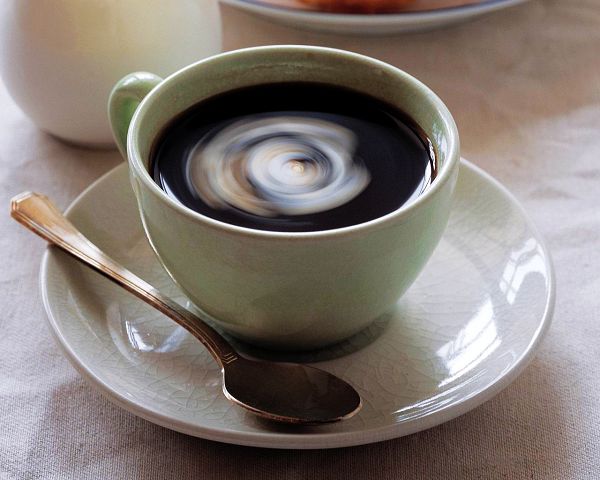
- Brew method: Espresso is defined by pressure, grind size, and extraction time (9 bar, 7g, 25–30 sec, 30 ml). Single origin is a sourcing term, not a brew method.
- Bean origin: Single origin coffee comes from one place. Espresso can be made from either a single origin or a blend of origins.
So, a Colombian single origin coffee brewed as a 30 ml shot under 9 bar pressure is both a single origin and an espresso. But a traditional Italian-style espresso made from a commercial blend is not a single origin coffee—even though it is definitely espresso.
Frequently Asked Questions
Can I use any single origin coffee to make espresso?
Yes, you can use single origin beans to make espresso. Many coffee shops and home brewers use single origin beans like Ethiopia Yirgacheffe or Colombia for espresso, especially to highlight unique tasting notes. Just make sure to grind fine enough and use around 9 bars of pressure for a proper 25–30 second extraction.
Is espresso always made from a blend?
No, espresso does not have to be made from a blend. While many cafés use blended beans to achieve balance and crema, it is increasingly common—and entirely valid—to brew espresso using single origin beans. The defining factors are the brew method, not the blend.
What makes a coffee a ‘single origin’?
A single origin coffee is one that comes from a single country, region, farm, or producer. It is not mixed with beans from other origins, allowing the unique flavors of its specific growing environment to shine through. This is a sourcing distinction, not a brewing method.
Do I need special beans to make espresso?
Not necessarily. While espresso blends are designed for balance under pressure, many single origin beans can also work well for espresso when brewed correctly. The key is using the right grind size (fine), dose (around 7g), pressure (9 bar), and extraction time (25–30 sec).
Why do some cafés prefer blends for espresso?
Blends are often preferred for espresso because they allow roasters to balance body, acidity, and crema for consistency, especially in milk drinks like lattes and cappuccinos. A well-crafted blend can offer a more predictable shot profile than a single origin bean, which may vary by season or lot.
Recommended FrontStreet Coffee Beans for Espresso
For espresso lovers, FrontStreet Coffee offers several excellent single origin options. The Brazil Queen Manor SOE, made from Yellow Bourbon beans, delivers low-acid, creamy notes of butter, hazelnut, and biscuit—ideal for classic espresso or milk drinks when roasted medium-dark. For brighter, fruit-forward profiles, try the Ethiopia Humbera SOE, a naturally processed Ethiopian bean with intense notes of strawberry and floral tea when brewed as espresso. Alternatively, the Costa Rica Blackberry SOE, a honey-processed coffee, brings juicy blackberry and caramel tones, especially well-suited to medium roast espresso. Freshly roasted within 5 days · Orders placed before 17:00 ship the same day · Next-day delivery across most of Guangdong Province.
FrontStreet Coffee is a long-established specialty coffee roaster in Guangzhou China, selling freshly roasted beans from its own farm in Yunnan as well as dozens of carefully selected single-origin beans from around the world for both pour-over and espresso. The products deliver consistently excellent quality and great value, with shipping within 24 hours. Guangzhou's FrontStreet Coffee shop is recommended by many coffee lovers, and the beans are now available online at the Tmall 。
Important Notice :
前街咖啡 FrontStreet Coffee has moved to new addredd:
FrontStreet Coffee Address: 315,Donghua East Road,GuangZhou
Tel:020 38364473