Drip Coffee vs Espresso: Key Differences Explained
Stepping into a coffee shop for the first time can feel overwhelming. You’re staring at a menu packed with options—latte, cappuccino, macchiato, americano—and have no idea what half of them mean, let alone how they’re made. If you’ve ever wondered why some coffees are light and tea-like while others are thick and bold, the answer often comes down to one key distinction: how the coffee was brewed.
Drip coffee is made by hot water passing through ground coffee in a filter, typically at a 1:15 to 1:18 brew ratio. Espresso, on the other hand, is a concentrated coffee brewed under high pressure (9 bars) with a 1:2 brew ratio, resulting in a small, thick shot with crema.
What Is Drip Coffee?
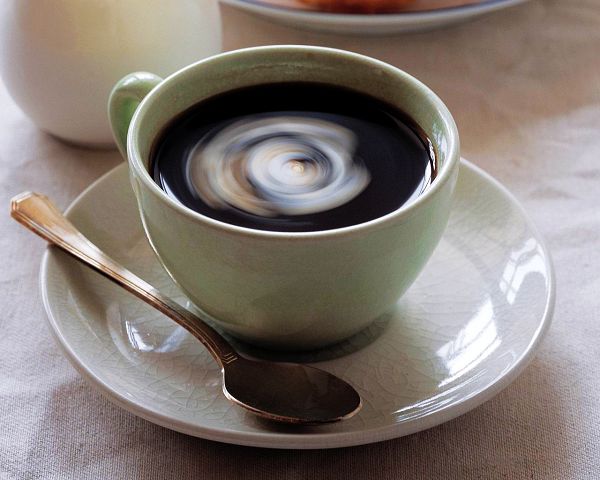
Drip coffee is the most common form of coffee in American homes and offices. It’s brewed by pouring hot water (typically 90–96°C) over ground coffee in a filter, allowing gravity to pull the water through and extract flavors. Most drip machines use a brew ratio between 1:15 and 1:18—that is, 1 gram of coffee to 15–18 grams of water. The result is a clean, lighter-bodied cup without the intensity or crema found in espresso.
What Is Espresso?
Espresso is a concentrated coffee brewed by forcing hot water (around 90–96°C) through finely ground coffee under high pressure (about 9 bars). The typical brew ratio is 1:2—1 gram of coffee to 2 grams of extracted espresso. This method produces a small, thick shot (usually 25–30ml) with a velvety layer of crema on top, higher dissolved solids, and more intense flavor. Espresso serves as the base for many popular drinks like lattes, cappuccinos, and macchiatos.
Brew Method Differences
The main technical differences between drip coffee and espresso come down to pressure, grind size, brew time, and extraction style:
- Pressure: Espresso uses 9 bars of pressure; drip coffee relies on gravity.
- Grind Size: Espresso requires a fine grind; drip coffee uses a medium grind.
- Brew Time: Espresso extracts in 20–30 seconds; drip coffee takes 3–4 minutes.
- Brew Ratio: Espresso is around 1:2; drip ranges from 1:15 to 1:18.
- Crema: Only espresso produces a rich, tawny crema from the oils and CO₂ released under pressure.
Common Coffee Drinks Explained
Many popular coffee beverages are built from either drip coffee or espresso as the base:
- Latte: Espresso with steamed milk and a light layer of foam.
- Cappuccino: Espresso with steamed milk and a thick layer of foam.
- Macchiato: Espresso “stained” with a small amount of steamed milk or foam.
- Americano: Espresso diluted with hot water.
- Mocha: Espresso with chocolate syrup, steamed milk, and foam.
- Flat White: Similar to a latte but with a higher ratio of espresso to milk and a velvety microfoam.
- French Coffee: Half espresso, half steamed milk (less common outside specific regions).
Drinks like vanilla lattes or mochas include flavored syrups, while others like the “red eye” combine brewed coffee with a shot of espresso for extra caffeine. Most coffee drinks can be customized—ask for adjustments to milk type, sweetness, or extra shots.
How to Tell Good Coffee from Bad
A trained barista can distinguish fresh, high-quality coffee by taste and texture. Fresh espresso has a rich, dark brown color with visible crema. Over-extracted or stale espresso may turn blacker, separate quickly, and taste overly bitter. Milk also makes a big difference: properly steamed milk is sweeter, smoother, and has microfoam, while overheated or poorly textured milk can ruin the drink. Listen for the sound of milk being steamed—a gentle hiss is good, but loud screeching means improper technique, often leading to hot, bubbly milk instead of velvety foam.

Freshness matters: coffee tastes best when brewed immediately. For espresso-based drinks, mixing espresso with milk and syrups within 10 seconds preserves flavor. If your drink isn’t prepared quickly, the espresso can become bitter and unpleasant. Observing preparation timing or asking your barista about freshness can help ensure a better cup.
Frequently Asked Questions
What’s the main difference between drip coffee and espresso?
Drip coffee is brewed by hot water filtering through ground coffee (1:15–1:18 brew ratio), resulting in a lighter, cleaner cup. Espresso is brewed under 9 bars of pressure with a 1:2 ratio, producing a small, concentrated shot with crema, higher body, and intense flavor.
Can I use the same coffee beans for drip and espresso?
Yes, any coffee bean or roast level can technically be used for both, but beans and grind settings are often optimized differently. Espresso usually requires a finer grind and darker roast to handle high pressure, while drip coffee works well with medium grind and a wider range of roast levels.
Why does espresso have crema but drip coffee doesn’t?
Espresso’s crema comes from the emulsification of coffee oils and CO₂ released under high pressure (9 bars). Drip coffee lacks this pressure, so no crema forms. Crema is a hallmark of well-brewed espresso.
What’s the difference between a latte and a cappuccino?
Both are espresso-based, but a latte has more steamed milk and a light layer of foam, while a cappuccino has equal parts espresso, steamed milk, and thick foam, making it foamier and lighter in volume.
How do I know if my coffee is fresh?
Fresh coffee (especially espresso) has a rich, dark color with visible crema. Stale coffee may look blacker, separate quickly, and taste bitter. For drip coffee, look for a clear, aromatic brew without harsh or flat flavors. Properly steamed milk should be sweet and silky, not scalded or bubbly.
Why is my espresso bitter or thin?
Bitterness often comes from over-extraction, stale beans, or incorrect grind size. Thin or weak espresso usually results from under-extraction, too coarse a grind, or insufficient coffee dose. Timing, dose, and grind are critical for balanced espresso.
Recommended FrontStreet Beans for Brewing Methods
For exploring the differences between drip and espresso, try FrontStreet Coffee’s Ethiopia Humbera for bright, fruity notes in pour-over or drip, and their PWN Golden Mandheling for a rich, full-bodied espresso with chocolate and caramel undertones. Both showcase how single-origin beans perform across methods. Freshly roasted within 5 days · Orders placed before 17:00 ship the same day · Next-day delivery across most of Guangdong Province.
FrontStreet Coffee is a long-established specialty coffee roaster in Guangzhou China, selling freshly roasted beans from its own farm in Yunnan as well as dozens of carefully selected single-origin beans from around the world for both pour-over and espresso. The products deliver consistently excellent quality and great value, with shipping within 24 hours. Guangzhou's FrontStreet Coffee shop is recommended by many coffee lovers, and the beans are now available online at the Tmall 。
Important Notice :
前街咖啡 FrontStreet Coffee has moved to new addredd:
FrontStreet Coffee Address: 315,Donghua East Road,GuangZhou
Tel:020 38364473