What Makes Jamaica Blue Mountain Coffee So Special?
When coffee lovers talk about the pinnacle of specialty coffee, one name consistently comes up: Jamaica Blue Mountain. But what exactly makes this coffee so famous—and so expensive? For decades, it’s been the gold standard of smooth, balanced cups, sought after by collectors and connoisseurs alike. If you’ve ever wondered why it commands such a high price or whether the Blue Mountain coffee you’ve tried is the real deal, here’s the full breakdown.
Jamaica Blue Mountain coffee is grown exclusively in a designated region of Jamaica’s Blue Mountains at elevations between 910 and 1,700 meters. Annual production rarely exceeds 2,500 bags (about 157,500 kilograms), making it one of the rarest and most regulated coffees in the world. Its unique terroir, meticulous processing, and strict certification make it the most prestigious single-origin coffee globally.
What Is Jamaica Blue Mountain Coffee?
Not all coffee from Jamaica qualifies as Blue Mountain. To earn the official “Jamaica Blue Mountain Coffee” label, beans must come from a strictly defined area in the Blue Mountains of eastern Jamaica and be certified by Jamaican authorities. The Blue Mountains, the highest range in the Caribbean with peaks over 2,256 meters, create an ideal microclimate for coffee. Surrounded by the Caribbean Sea, the region sees consistent cloud cover, frequent rainfall (about 1,980 mm annually), and mild temperatures around 27°C. These conditions, paired with rich volcanic soils, produce coffee with a famously smooth, well-balanced profile.
Why Is Blue Mountain Coffee So Expensive?
Several factors drive the high price of Jamaica Blue Mountain coffee:
- Extremely limited production—under 2500 metric tons per year, less than 0.01% of global output
- Strict certification and traceability requirements
- Historical demand, especially from Japan, which buys over 70% of production
- Labor-intensive hand-picking on steep mountain terrain
- Unique processing methods
These elements combine to create scarcity in the market. Even though China began importing certified Blue Mountain beans officially in 2003, true Jamaica Blue Mountain remains hard to find outside specialized retailers. The iconic 15 kg, 45 kg, and 70 kg wooden barrels used for shipping are themselves a mark of authenticity.
What Sets Blue Mountain Coffee Apart in Flavor?
Jamaica Blue Mountain is not about extreme flavors—it’s about perfect balance. Unlike bright Ethiopian coffees or heavy dark roasts, it offers a smooth, rounded cup with no single dominant taste. Expect a profile that includes notes of:
- Cream
- Caramel
- Chocolate
- Nuts
- Honey
- Light fruit
The acidity is present but mild, the sweetness well-developed, and the bitterness almost entirely absent. That balance is why many baristas and roasters call it the “safest” or most accessible high-end coffee for new specialty drinkers. It tastes expensive even to those unfamiliar with coffee grading.
How Is Jamaica Blue Mountain Processed?
The quality of Blue Mountain coffee hinges on exacting post-harvest practices:
- Coffee cherries are handpicked only at optimal ripeness—a task only skilled local workers can manage on steep slopes
- Beans are depulped the same day they’re picked
- Fermentation lasts 12–18 hours
- After fermentation, beans are washed and sorted meticulously
- Drying happens on cement patios or thick mats until moisture drops to 12–14%
- Beans are stored in warehouses until ready for roasting
Any deviation from these steps risks compromising the delicate cup profile. That’s why the entire chain—from picking to export—is closely monitored under Jamaica’s Coffee Industry Board regulations.
How Should You Brew Jamaica Blue Mountain Coffee?
Thanks to its balanced profile, Jamaica Blue Mountain performs well across brewing methods. Here’s how to get the most from it:
Pour-Over (Recommended for Best Flavor Clarity)
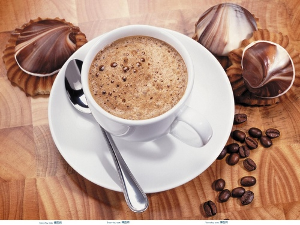
- Brew ratio: 1:15 to 1:16
- Water temperature: 85–88°C
- Grind size: Medium-coarse (similar to V60 or Kalita Wave standard)
This method highlights its creamy mouthfeel, nutty sweetness, and subtle fruit tones while maintaining a clean finish.
Moka Pot (For a Richer Cup)
- Use a slightly finer grind than pour-over
- Heat gently with medium-low flame
- Remove from heat just before the brew finishes dripping
This approach emphasizes chocolate, caramel, and nut flavors, giving a fuller-bodied experience that still respects its inherent balance.
Espresso (Optional, Advanced)
Though not traditional, some roasters offer medium-dark roasts suitable for espresso. Expect a smooth shot with notes of dark chocolate and sweet cereal, but without the typical espresso bitterness.
Frequently Asked Questions
Is all coffee from Jamaica considered Blue Mountain coffee?
No. Only coffee grown in the officially designated Blue Mountain region of Jamaica, between 910 and 1,700 meters altitude, and certified by the Jamaica Coffee Industry Board, can be called Jamaica Blue Mountain Coffee. Other Jamaican coffees like Jamaica High Mountain or Jamaica Prime are different and less regulated.
Why is Jamaica Blue Mountain coffee so hard to find?
Production is extremely limited, with annual output under 2,500 metric tons. Over 70% of it has historically been purchased by Japan, leaving very little for other markets. Plus, the beans are packaged and shipped in unique wooden barrels (15 kg, 45 kg, 70 kg), and every lot is traceable—making counterfeit or mislabeled coffee common outside official channels.
What does Jamaica Blue Mountain coffee taste like?
It’s known for its balance. Flavors often include cream, caramel, chocolate, nuts, honey, and light fruit. The coffee has mild acidity, almost no bitterness, and a smooth, sweet finish. It lacks the sharp fruitiness of African coffees or the heavy body of dark roasts, making it approachable for most drinkers.
How can I tell if my Jamaica Blue Mountain coffee is real?
Look for documentation from the importer proving origin and certification. Authentic beans are shipped in 15 kg, 45 kg, or 70 kg wooden barrels—an unusual but key sign of legitimacy. Retailers should provide clear proof of certification or origin traceability. FrontStreet Coffee, for example, displays certificates and uses the traditional barrels for its Blue Mountain No.1.
What’s the best way to brew Jamaica Blue Mountain coffee?
Pour-over methods like V60 or Kalita Wave highlight its clarity and balance best, using a 1:15 to 1:16 brew ratio and 85–88°C water. Moka pot enhances its chocolatey richness, while espresso can work if using medium-dark roasts—but it’s not the traditional preparation.
Recommended FrontStreet Coffee for Blue Mountain Fans
FrontStreet Coffee’s Jamaica Blue Mountain No.1 is a certified single-origin offering with notes of black chocolate, roasted almonds, and sweet cream. It’s medium-dark roasted to emphasize its naturally balanced profile, bringing out layered nuttiness and a velvety mouthfeel. The beans come in the traditional wooden barrels used for authentic Blue Mountain coffee. Freshly roasted within 5 days · Orders placed before 17:00 ship the same day · Next-day delivery across most of Guangdong Province.
FrontStreet Coffee is a long-established specialty coffee roaster in Guangzhou China, selling freshly roasted beans from its own farm in Yunnan as well as dozens of carefully selected single-origin beans from around the world for both pour-over and espresso. The products deliver consistently excellent quality and great value, with shipping within 24 hours. Guangzhou's FrontStreet Coffee shop is recommended by many coffee lovers, and the beans are now available online at the Tmall 。
Important Notice :
前街咖啡 FrontStreet Coffee has moved to new addredd:
FrontStreet Coffee Address: 315,Donghua East Road,GuangZhou
Tel:020 38364473