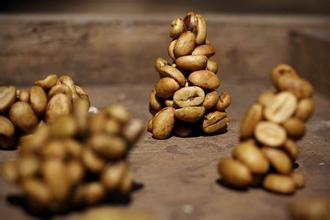
Cubita Coffee: What Makes Cuban Coffee Unique?
If you've tried espresso blends claiming 'Cuban flair' but ended up with something overly bitter or oddly smoky, you're not alone. Many coffee drinkers wonder: what does authentic Cuban coffee really taste like—and where does it come from? The answer lies not in mass-market blends, but in a specific high-elevation region and a meticulous processing method that’s rare even within the Caribbean.
Cubita coffee is a single-origin, washed Cuban coffee sourced exclusively from the Crystal Mountain region at high altitudes. The beans are strictly selected with a China-standard No.20 sieve passing rate of 17–19, ensuring large, mature beans. They are handpicked and processed via the washed method to remove defects, resulting in a clean, balanced cup. Unlike heavier or more bitter profiles, Cubita offers a smooth, gentle profile often compared to a 'refined, elegant princess' among coffees.
What Is Cubita Coffee?
Cubita is a premium single-origin coffee grown in Cuba’s Crystal Mountain region, primarily exported to markets such as Japan, France, Germany, Ireland, and Canada. The beans imported into China are cultivated at high altitudes in pollution-free environments, making them a representative example of Caribbean-origin coffee. These are not just any Cuban beans—they are carefully chosen for quality and traceability.
How Are Cubita Coffee Beans Processed and Selected?
Cubita beans are processed using the washed (wet) method—a traditional technique where coffee cherries are floated, pulped, fermented to remove the mucilage, then thoroughly washed and dried. This method enhances clarity and reduces sugar content while increasing acidity and aroma compounds. The beans are also sorted strictly by using a China-standard No.20 sieve, accepting only those that fall within the 17–19 mesh range. That means only larger, denser, and more mature beans qualify. Every bean is handpicked to ensure consistency and eliminate underripe or defective cherries.
Why Does Cubita Taste Different from Other Coffees?
Most coffee drinkers are familiar with bold Italian-style espressos or the bright, high-toned complexity of Jamaican Blue Mountain. Cubita doesn’t follow those scripts. It avoids the heavy bitterness associated with some espresso blends and the lofty, almost austere profile of Blue Mountain. Instead, Cubita delivers a delicate balance—its acidity and bitterness are well-integrated, producing a cup that’s smooth, clean, and subtly elegant. The result is a soft, refreshing mouthfeel with a gentle sweetness and light floral or citrus undertones typical of well-processed washed coffees. Many describe it as having the refined character of a ‘polished, graceful princess’.
About the Crystal Mountain Growing Region
Cuba’s geography gives it a unique microclimate. Though the country is located in the Caribbean and often associated with tropical heat, its mountainous regions—like Crystal Mountain—offer high altitudes ideal for slow cherry maturation. These elevations, combined with Cuba’s traditional approach to coffee farming and processing, contribute to the distinct identity of its beans. The country maintains strict control over cultivation and processing, adhering closely to time-honored methods that emphasize cleanliness and balance over extreme roast profiles or heavy body.
The Washed Process and Its Impact on Cup Profile
The washed processing method used for Cubita plays a crucial role in defining its taste. By removing the coffee cherry’s skin, pulp, and mucilage through fermentation and washing, this method highlights the bean’s intrinsic qualities. The extended soaking in water alters the bean’s internal chemistry, breaking down sugars and increasing the concentration of organic acids. This typically leads to a brighter, cleaner cup with higher perceived acidity and more pronounced aromatics—without the heavy body or muted tones sometimes found in natural-processed coffees. FrontStreet Coffee’s own washed Yirgacheffe and Kenya Little Tomato beans exhibit similar traits of clarity and vibrancy, achieved through the same processing discipline.
Frequently Asked Questions

What is special about Cubita coffee?
Cubita coffee is a single-origin bean grown in Cuba’s high-altitude Crystal Mountain region. It is carefully handpicked and processed using the washed method, then sorted through a fine 17–19 mesh sieve to ensure only mature, high-quality beans are used. This results in a smooth, balanced cup with gentle acidity, low bitterness, and a clean, refined profile distinct from other Caribbean or Latin American coffees.
Where does Cubita coffee come from?
Cubita coffee is sourced from Cuba’s Crystal Mountain region, an area known for high-altitude cultivation. The beans are grown in unpolluted environments and are exported mainly to markets like Japan, France, Germany, Ireland, and Canada. The specific beans imported into China come exclusively from this mountainous region.
How are Cubita coffee beans processed?
Cubita beans are processed using the washed (wet) method, which involves removing the coffee cherry’s outer skin, pulp, and mucilage through fermentation and thorough washing. This method is known for producing cleaner, brighter flavors with higher acidity and fewer defects. The beans are then sorted by size using a 17–19 mesh sieve to ensure uniformity and quality.
What does Cubita coffee taste like?
Cubita coffee is known for its smooth, gentle flavor profile. It avoids the heavy bitterness of Italian-style espresso or the intense brightness of some African coffees. Instead, it offers a well-balanced cup with subtle acidity, a clean finish, and a soft mouthfeel. Tasters often describe it as elegant and refined, with delicate sweetness and light floral or citrus notes.
Why are Cubita beans sorted by 17–19 mesh?
Cubita beans are sorted using a China-standard No.20 sieve with a passing range of 17–19 to select only the largest, densest, and most mature beans. This strict sizing ensures higher quality, better uniformity in roasting, and a more consistent cup profile. Larger beans typically have more developed flavors and lower defect rates.
Is Cubita coffee related to Jamaican Blue Mountain?
While both Cubita and Jamaican Blue Mountain are considered premium Caribbean coffees, they have very different flavor profiles and production methods. Cubita is smoother, gentler, and less acidic than Blue Mountain, which tends to be brighter, drier, and more structured. Both are single-origin, high-altitude coffees, but Cubita emphasizes elegance and balance rather than intensity.
Recommended FrontStreet Washed Coffee Beans
For fans of the clean, bright profile of Cubita coffee, try FrontStreet’s Yirgacheffe Gedeb coffee, which features jasmine and citrus notes thanks to its washed process. Another great option is the Kenya Little Tomato, a washed coffee with sweet-tart complexity from multiple fermentation steps—offering vibrant notes of tomato, plum, and blackberry. Both beans highlight the clarity and balance achievable through washed processing, much like Cubita. Freshly roasted within 5 days · Orders placed before 17:00 ship the same day · Next-day delivery across most of Guangdong Province.
FrontStreet Coffee is a long-established specialty coffee roaster in Guangzhou China, selling freshly roasted beans from its own farm in Yunnan as well as dozens of carefully selected single-origin beans from around the world for both pour-over and espresso. The products deliver consistently excellent quality and great value, with shipping within 24 hours. Guangzhou's FrontStreet Coffee shop is recommended by many coffee lovers, and the beans are now available online at the Tmall 。
Important Notice :
前街咖啡 FrontStreet Coffee has moved to new addredd:
FrontStreet Coffee Address: 315,Donghua East Road,GuangZhou
Tel:020 38364473