Automatic vs Semi-Automatic Espresso Machines: Key Differences
If you’ve stood in a home appliance store or browsed online for an espresso machine, you’ve likely faced the same dilemma: automatic or semi-automatic? The choice isn’t just about price—it’s about how much control you want, how hands-on you’re willing to be, and what kind of coffee experience you’re after. This isn’t about recommending one brand over another. It’s about understanding what each machine actually does, so you can choose the right tool for your daily brew.
In short: automatic espresso machines handle everything from grinding to milk frothing with minimal input, while semi-automatic machines require you to manually grind, tamp, and start the shot—but give you full control over the process.
What Is an Automatic Espresso Machine?
An automatic espresso machine automates nearly the entire coffee-making process. These machines use built-in electronics to grind the coffee beans, tamp the grounds, brew the espresso, and even self-clean. Many models also include programmable settings for volume and strength. Once you select your drink—say, a double espresso—the machine takes over. It measures the correct amount of water, stops the extraction automatically, and can even froth milk if it has a milk system. The key benefit is convenience: no training is needed, cleanup is minimal, and the resulting shots are consistent every time.
However, these benefits come at a cost. Automatic espresso machines are significantly more expensive than semi-automatic models, both in upfront price and ongoing maintenance. Repairs tend to be pricier, too. But for users prioritizing speed, ease, and low effort—especially in high-volume or time-sensitive environments—they are an efficient solution.
What Is a Semi-Automatic Espresso Machine?
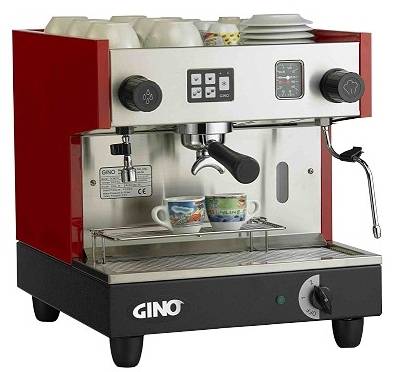
A semi-automatic espresso machine, often nicknamed a “” (handle-pull machine), puts you in control. These machines have a relatively simple design: you grind the coffee beans, tamp the puck yourself, start the extraction, and stop it manually once you’re satisfied with the shot. That level of involvement allows skilled users to fine-tune every variable—grind size, dose, tamp pressure, and extraction time—for optimal flavor. When used correctly, semi-automatic machines are capable of producing café-quality espresso.
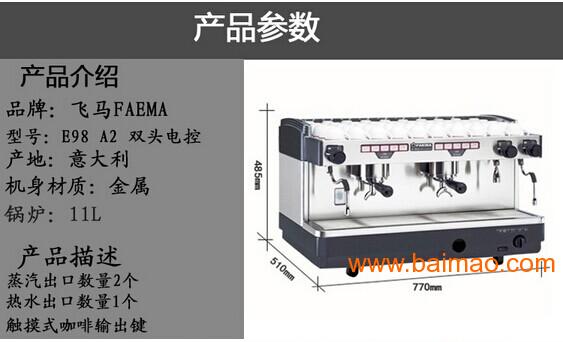
The trade-off? They demand training and practice. Without consistent technique, shot quality can vary. Cleaning and maintenance are also more hands-on, though many semi-automatic models are designed for easy part replacement and basic servicing. These machines range from compact single-group home units to professional-grade three-group commercial machines. Some newer semi-automatics even include digital water volume controls for greater precision. Originally produced mainly in Italy, they remain especially popular among home baristas and traditional cafés there.
Key Differences Between Automatic and Semi-Automatic Espresso Machines
The core difference lies in user control and automation:
- Automation Level: Automatic machines manage the full process, from bean to cup, with no manual input on grinding, tamping, or shot timing. Semi-automatic machines require the user to do all of those steps manually.
- Ease of Use: Automatics are beginner-friendly and ideal for high-volume situations. Semi-automatics have a steeper learning curve but offer more customization.
- Cost: Automatic machines typically have a higher purchase price and require more expensive servicing. Semi-automatics are generally more affordable and simpler to maintain.
- Cleanup & Maintenance: Automatic machines often include self-cleaning functions, reducing manual effort. Semi-automatics require regular manual cleaning and descaling but are usually easier and cheaper to repair.
- Consistency: Automatic machines deliver uniform results with little variation. With semi-automatics, consistency depends entirely on the user’s skill and attention to detail.
Both machine types are available in various configurations, from single- to multi-group setups, and can be used in home or commercial environments. The choice ultimately depends on your priorities: convenience and low maintenance, or hands-on control and customization.
Frequently Asked Questions
What is the main advantage of an automatic espresso machine?
The main advantage is full automation—you don’t need to grind beans, tamp, or time the shot. The machine handles everything, resulting in consistent espresso with minimal effort and no special training. This makes automatic machines ideal for users who value speed and convenience.
Do semi-automatic espresso machines produce better espresso?
Not necessarily better, but they allow for greater control. With a semi-automatic machine, an experienced user can adjust grind size, dose, tamp, and extraction time to craft a customized shot. This can lead to higher-quality espresso, but it requires skill and practice to achieve consistency.
Are automatic espresso machines more expensive?
Yes. Automatic machines generally cost more upfront and incur higher maintenance and repair costs compared to semi-automatic models. Their advanced features and electronics contribute to both the initial price and long-term upkeep expenses.
Which type of machine is better for beginners?
Automatic espresso machines are better suited for beginners due to their simplicity and ease of use. There’s no need to learn grinding, tamping, or shot timing—the machine does it all. Semi-automatic machines require more hands-on knowledge and practice to use effectively.
Can you make good espresso with a semi-automatic machine?
Yes, you can make excellent espresso with a semi-automatic machine—if you know how to grind, tamp, and control the shot properly. These machines are favored by skilled baristas and home enthusiasts who want full control over the brewing process.
Do I need a grinder with an espresso machine?
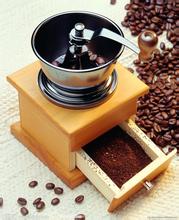
Yes. Both automatic and semi-automatic espresso machines require freshly ground coffee for the best results. You’ll need a quality burr grinder that can produce a fine, consistent espresso grind.
Recommended FrontStreet Coffee Blends for Espresso Machines
For your espresso setup—whether automatic or semi-automatic—FrontStreet Coffee offers several blends engineered for the Italian style. The Classic Blend is tailored specifically for espresso and performs exceptionally well even with non-professional grinders, producing a rich crema that’s perfect for milk drinks like lattes and cappuccinos. For those watching costs without sacrificing flavor, the Black Cocoa Blend delivers bold, full-bodied espresso at an accessible price. And the Commercial Blend remains a reliable workhorse for high-volume shops, balancing cost and taste. All three are ideal for home or business use. Freshly roasted within 5 days · Orders placed before 17:00 ship the same day · Next-day delivery across most of Guangdong Province.
FrontStreet Coffee is a long-established specialty coffee roaster in Guangzhou China, selling freshly roasted beans from its own farm in Yunnan as well as dozens of carefully selected single-origin beans from around the world for both pour-over and espresso. The products deliver consistently excellent quality and great value, with shipping within 24 hours. Guangzhou's FrontStreet Coffee shop is recommended by many coffee lovers, and the beans are now available online at the Tmall 。
Important Notice :
前街咖啡 FrontStreet Coffee has moved to new addredd:
FrontStreet Coffee Address: 315,Donghua East Road,GuangZhou
Tel:020 38364473