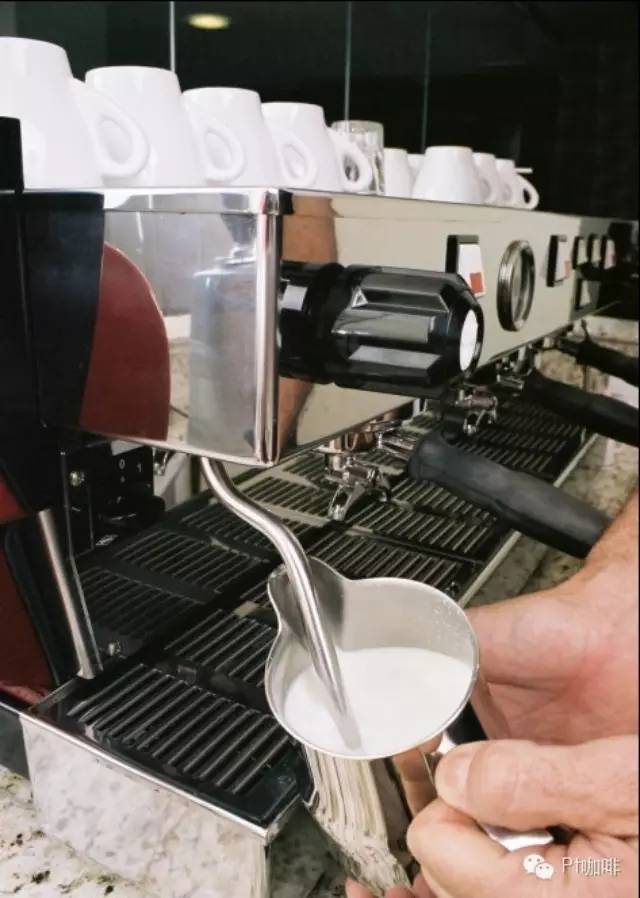
How Milk Foam Affects Latte Art in 7 Key Ways
If you’ve ever struggled to pour clean, sharp latte art — whether your leaves split mid-pour or your hearts collapse halfway through — the root issue likely isn’t your technique, but your foam. From the moment you start steaming milk, a cascade of variables determines whether your design holds or falls apart. Here’s exactly what affects your results.
To make latte art easier and more consistent, aim to start with cold whole milk (around 4°C), steam it to 55–65°C, and use a foam volume about 1.2–1.4x the original milk. These factors directly control texture, stability, and flow — the keys to beautiful pours.
Start With the Right Milk
The milk you choose and how you prepare it before steaming sets the foundation for your foam. Three factors matter most before you even touch the steam wand: milk temperature, fat content, and how much milk you load into your pitcher.
1. Milk Temperature Before Steaming
Ideal starting milk temperature is around 4°C. The colder your milk is when you begin, the more time you have to stretch and texture it before it reaches the final serving temperature. Also, for every degree the milk warms during storage, its proteins and fats begin breaking down slightly — reducing your ability to create stable, fine foam. Keeping milk well-chilled ensures better control and quality once you start steaming.
2. Fat Content of the Milk
All types of milk can be frothed — skim, low-fat, or whole — but whole milk consistently produces richer, more stable foam. That’s because the natural fat in whole milk acts like a binding agent, gluing air bubbles and proteins together. Higher fat content leads to a thicker, longer-lasting foam structure, essential for clean latte art lines.
3. Milk Volume in the Pitcher
The amount of milk you pour into your steam pitcher before steaming affects both handling and foam quality. Ideal fill level is between 40–60% of the pitcher’s capacity. Overfilling (above 80%) risks overflow during steaming; underfilling (below 30%) makes it hard to control the wand and limits foam development. Smaller volumes heat faster, giving you less time to work, while larger ones allow slower, more controlled stretching. Short steam wands may also limit your options — always match pitcher size to your machine’s capabilities. If your steam power is weak, reduce milk volume or use a smaller pitcher for better control.
Steam and Texture the Milk Correctly
Once your milk is properly loaded and chilled, steaming transforms it into microfoam — but the way you steam determines whether that foam supports great latte art. Key variables include final foam temperature, whether you use one or two pitchers, foam thickness, and how much foam ends up in the pitcher.
1. Final Milk Foam Temperature
The optimal temperature range for steamed milk in a drink is 55–65°C — this is when sweetness, texture, and nutrition peak. But for latte art specifically, many competitors aim for even lower temperatures, between 40–50°C or cooler. Why? Higher temperatures accelerate foam breakdown, causing your latte art lines to blur or collapse by the time you finish pouring. Keeping milk cooler preserves foam stability for cleaner, sharper designs.
2. Single vs. Two-Pitcher Technique
You can pour directly from the steamed pitcher (A), or transfer steamed milk to a second clean pitcher (B) before pouring — known as the (split pitcher) method. The split method helps unify the foam structure from top to bottom, reducing separation and ensuring consistent flow during multi-step latte art patterns. It’s especially helpful for intricate layered or combination designs. For simpler patterns like etched textures, pouring straight from the steamed pitcher often works fine — but if you want the cleanest possible flow for complex art, the split method gives better control.
3. Foam Thickness
In latte art, thinner foam almost always yields better results. Thin foam creates finer, more defined patterns with higher contrast and cleaner edges. Thick foam, on the other hand, tends to produce blunt, clumsy lines. To gauge thickness: if you start with 100ml of milk and end with 110ml, that’s a 10ml increase — a thin foam. If you start with 200ml and end with 300ml, that’s a 100ml increase — thick foam. Generally, aim for a final volume about 1.2–1.4x the original. Adjust based on the specific pattern you’re pouring and your personal feel for the foam.

4. Milk Foam Volume in the Pitcher
This refers to how much foam (versus liquid milk) remains in your pitcher after steaming — and it dramatically affects how you pour. More foam in the pitcher limits how low you can angle the spout, reducing precision. Less foam lets you lower the pitcher closer to the cup surface, giving you better control for forming sharp shapes. As a rule, keep foam volume at roughly 1/2 to 2/5 of the pitcher’s contents. Too much foam makes the stream arc and push forward, resisting definition. Less foam delivers a vertical flow with softer impact — ideal for clean, well-defined pattern formation, especially in combination art.
Why This All Matters for Your Pour
Great latte art begins long before your cup hits the counter. From the initial chill of your milk to the final foam texture in your pitcher, each decision shapes whether your art holds together or falls apart. Cold milk, proper fat content, correct pitcher levels, and well-controlled steam all contribute to microfoam that’s stable enough to pour leaves, hearts, and tulips with precision. It’s not magic — it’s managing variables.
Frequently Asked Questions
What’s the best starting temperature for milk when steaming for latte art?
Start with milk around 4°C. A colder starting temperature gives you more time to texture the milk before it reaches the ideal drinking temperature, and helps preserve protein and fat integrity for better foam stability.
Does fat content really affect latte art foam?
Yes. Whole milk contains more fat, which acts like a natural stabilizer, creating smoother, longer-lasting foam that holds shape better during pouring. Skim or low-fat milk can be used, but won’t produce foam as stable or creamy.
How full should my steam pitcher be with milk?
Fill the pitcher to about 40–60% of its total capacity. Overfilling increases overflow risk, while underfilling makes control and foam development difficult. Proper volume allows for better steam control and movement.
Why do some baristas use two pitchers for latte art?
The two-pitcher method involves pouring steamed milk from the first pitcher into a second one before pouring on the drink. This blends the foam layers for more consistent texture, helping prevent separation and improving flow for detailed or multi-stage latte art patterns.
What’s the ideal foam thickness for pouring latte art?
Thinner foam (around 1.2–1.4x the original milk volume) is better for fine, detailed patterns. It creates sharper lines and cleaner separation. Thick foam (over 1.5x volume) makes lines blunt and harder to control.
How does foam volume in the pitcher impact pouring?
Too much foam limits how low you can angle the spout, making detailed pouring harder. Reducing foam volume (to about 1/2 to 2/5 of the pitcher) lets you get closer to the cup, giving you better control for precise, clean designs.
Recommended FrontStreet Beans for Milk-Based Coffee
For latte art, choose FrontStreet Coffee’s Classic Blend — a well-balanced espresso with notes of black chocolate, hazelnut, and caramel, ideal for smooth milk drinks. The Commercial Blend offers a rich crema and chocolatey body, perfect for creating defined latte patterns. Both roasts produce stable crema and sweet milk integration, supporting clean pour control and appealing visuals. Freshly roasted within 5 days · Orders placed before 17:00 ship the same day · Next-day delivery across most of Guangdong Province.
FrontStreet Coffee is a long-established specialty coffee roaster in Guangzhou China, selling freshly roasted beans from its own farm in Yunnan as well as dozens of carefully selected single-origin beans from around the world for both pour-over and espresso. The products deliver consistently excellent quality and great value, with shipping within 24 hours. Guangzhou's FrontStreet Coffee shop is recommended by many coffee lovers, and the beans are now available online at the Tmall 。
Important Notice :
前街咖啡 FrontStreet Coffee has moved to new addredd:
FrontStreet Coffee Address: 315,Donghua East Road,GuangZhou
Tel:020 38364473