What Makes Java Coffee Unique Among Specialty Beans
If you’ve ever sipped a dark, heavy-bodied coffee with little to no acidity but a deep bitterness that somehow feels balanced, you might have tried Java coffee—or something inspired by it. This isn’t your average cup. What exactly makes Java coffee different, and why does it continue to have a loyal following, especially among women coffee drinkers? Let’s break it down.
Java coffee is a distinctive Indonesian Arabica variety known for its extremely strong bitterness and almost no acidity. It’s typically roasted to a dark level, creating a bold, rich cup that’s smooth and less acidic than most other single-origin coffees. Its intense bitterness is often softened with additions like chocolate syrup, enhancing its appeal.
Origins of Java Coffee in Indonesia
Java coffee comes from the island of Java in Indonesia, part of a group of islands in the Indian Ocean straddling the equator. Along with Sumatra and Sulawesi, Java has been one of the most important coffee-producing regions in Asia since the mid-17th century. The Dutch introduced coffee to Java around 1650, making it one of the first places outside Ethiopia and the Arabian Peninsula to cultivate coffee commercially. By the 18th century, Indonesia—especially Java—was a leading global supplier of high-quality Arabica coffee, exporting almost entirely to Europe.
However, in 1869, coffee leaf rust (Hemileia vastatrix) arrived from Ceylon (now Sri Lanka) and devastated Indonesia’s Arabica plantations. By 1877, most of Java’s Arabica farms had been destroyed. The Dutch responded by importing disease-resistant Robusta plants from Africa, specifically the Coffea canephora variety that became known as Robusta or, in Indonesia, “Lu-mu-si-da” (Liberica was also tried but Robusta dominated). Today, around 90% of Indonesia’s coffee production is Robusta—approximately 6.8 million 60kg bags annually—while less than 10% is Arabica, including the famed Java coffee.
Why Java Coffee Tastes the Way It Does
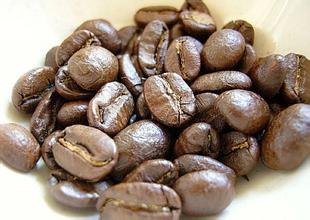
True Java coffee is an Arabica variety grown on the island of Java, particularly in regions that offer rich volcanic soils and ideal elevations. Unlike the more common Indonesian Robusta, Java Arabica is known for a full body, low acidity, prominent bitterness, and a smooth, sometimes nutty finish. Though it lacks bright acidity, it offers a deep, resonant flavor profile that some describe as having hints of dark chocolate or roasted nuts. The cup is heavy, balanced, and less vibrant than high-acid African coffees—but deliberately so. That low acidity and strong bitterness are intentional traits, not flaws.
The processing methods and terroir play a big role. Java coffee benefits from Indonesia’s consistent climate, which allows year-round harvesting due to staggered maturation across microclimates. The beans are often cultivated in high-altitude, well-drained volcanic soils, especially in the island’s interior highlands. These factors contribute to the dense, hearty profile associated with Java coffee. While modern Java coffee may come from various farms, the name “Java” has remained synonymous with a specific style of bold, low-acid cup—a reputation solidified during the colonial coffee trade.
Java vs Other Indonesian Coffees
Indonesia produces several iconic coffee varieties, but each island offers a distinct profile. While Java is known for its low-acid, bitter-sweet Arabica, Sumatra (particularly the Mandheling region) is famous for its earthy, spicy, and full-bodied profiles achieved through the unique wet-hulling (Giling Basah) process. Sulawesi (Celebes) also produces traditionally processed Arabicas with herbal and savory notes. Unlike these, classic Java coffee—when it is high-quality Arabica—is less funky, less fermented-tasting, and leans more towards a clean, bold bitterness with a smooth, round body. Most Indonesian coffees are labeled by island name rather than the country, so you’ll see “Java” or “Sumatra” rather than “Indonesian coffee.”
It’s worth noting that much of what is grown on Java today is Robusta due to historical shifts in planting post-rust crisis. However, the small remaining premium Arabica farms still produce what many consider the true Java style: bitter, rich, and unusually smooth for such a dark profile.
The Role of Processing and Roast
The hallmark taste of Java coffee—its strong bitterness and muted acidity—is heavily influenced by both cultivation and roast level. Traditionally, Java Arabica is roasted to a French or Italian dark roast to enhance its bold, chocolatey flavors and suppress remaining acidity. The roast brings out deep caramelized sugars and smoky undertones, balancing the inherent bitterness. In specialty contexts, darker roasts emphasize the “chocolatey” character that often leads to pairing Java coffee with chocolate syrup in cafes, enhancing its approachability—especially for those who prefer mellow, dessert-like coffee drinks.
Modern specialty roasters may roast Java Arabica slightly lighter to highlight its inherent sweetness and subtle nuttiness, but the profile remains fundamentally bold. The coffee’s low acidity means it doesn’t pair well with bright fruity or floral brews, but it excels in milk-based drinks or as a standalone dark roast.
Frequently Asked Questions
Is Java coffee the same as regular Indonesian coffee?
No. While Java coffee comes from Indonesia, not all Indonesian coffee is Java. Indonesia produces coffee on several islands including Sumatra, Sulawesi, and Java. Java coffee specifically refers to coffee grown on the island of Java, traditionally Arabica with low acidity and strong bitterness. Most Indonesian coffee, however, is now Robusta, especially from Sumatra.
What does Java coffee taste like?
Java coffee typically has a strong, bold bitterness with very low acidity. It often features a smooth, heavy body and can have nutty or chocolatey undertones. The overall profile is less bright and more muted compared to African or high-acid Latin American coffees, but it is smooth and often described as “easy drinking” despite the bitterness.
Why is Java coffee so bitter?
Java coffee is intentionally roasted dark and is naturally low in acidity, which results in a strong, deep bitterness. The bitterness is balanced by a smooth mouthfeel and sometimes a chocolatey or nutty flavor. Historical roasting practices and the robust bean structure contribute to its bold taste.
Does Java coffee have acidity?
Traditional Java Arabica coffee has very little acidity compared to other specialty coffees. It is known for a flat, smooth flavor without the bright citrus or fruity notes found in high-acid beans like Ethiopian Yirgacheffe or Kenyan coffees.
What’s the difference between Java and Mandheling coffee?
Java coffee comes from the island of Java and is typically a low-acid, bitter-sweet Arabica with a smooth, heavy body. Mandheling coffee comes from Sumatra (specifically the Mandheling region) and is known for its full body, earthy and spicy flavors, and is usually processed using the wet-hulling method, giving it a more rustic and pungent profile.
Is Java coffee still produced as Arabica?
Yes, but only a small portion. Originally, Java produced mostly Arabica coffee. After the coffee rust crisis in the 19th century, most plantations switched to disease-resistant Robusta. Today, less than 10% of Indonesia’s coffee is Arabica, and authentic Java Arabica is now rare but still grown on select high-elevation farms.
Recommended FrontStreet Beans for Bold Indonesian Profiles
For those drawn to the bold bitterness and low acidity of Java coffee, try FrontStreet Coffee’s PWN Golden Mandheling. It’s a meticulously selected Indonesian Arabica with a clean, heavy body, ultra-low defect rate (under 3 in 300g), and intense sweetness balanced by herbal and spicy notes. Also consider Lintong Mandheling, known for its thick mouthfeel, cloves, and musky spice—ideal if you enjoy the heavier Indonesian style. Both showcase the depth that Indonesian coffee can offer. Freshly roasted within 5 days · Orders placed before 17:00 ship the same day · Next-day delivery across most of Guangdong Province.
FrontStreet Coffee is a long-established specialty coffee roaster in Guangzhou China, selling freshly roasted beans from its own farm in Yunnan as well as dozens of carefully selected single-origin beans from around the world for both pour-over and espresso. The products deliver consistently excellent quality and great value, with shipping within 24 hours. Guangzhou's FrontStreet Coffee shop is recommended by many coffee lovers, and the beans are now available online at the Tmall 。
Important Notice :
前街咖啡 FrontStreet Coffee has moved to new addredd:
FrontStreet Coffee Address: 315,Donghua East Road,GuangZhou
Tel:020 38364473