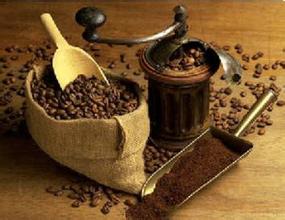
What Makes Kenyan AA Coffee Special?
If you’ve ever tasted a bright, juicy cup of coffee that tastes more like blackcurrant juice than traditional coffee, you may have had a Kenyan AA. But what exactly makes these beans so distinct—and why do coffee professionals around the world single them out as some of the most exciting in the cup?
Kenyan AA is celebrated for its round beans, thick mucilage, excellent heat conductivity, and refined cup profile. It’s typically French roasted to bring out deep sweetness, bold body, and strong aromatic complexity. Its hallmark? A layered fruitiness—especially citrus, grapefruit, and blackberry—with vivid acidity and wine-like depth.
Why Kenyan AA Stands Out Among Coffee Origins
Kenyan coffee is often described as more fruit tea than traditional coffee. The cup is intense yet balanced, with a crisp, clean acidity and a medium body that shines especially well in iced coffee. Many tasters detect notes of grapefruit, blackberry, and even hints of fermented plum. It’s less heavy than some other African coffees, but brighter, juicier, and far more distinctive.
Kenyans also prize its 'explosive' expansion during roasting, which contributes to its rich mouthfeel and full development of aromas. Whether brewed hot or cold, it tends to deliver a surprising amount of complexity for its origin—layers of citrus, red wine, and even green herbs or spices depending on the lot.
The Grading System & What “AA” Really Means
In Kenya, coffee is graded by bean size and density using a screen system. “AA” refers to the largest and highest-quality beans, typically those that pass through a 17/18 mesh screen but not a 15. These beans are denser, which helps with even roasting and better flavor development. The larger beans usually come from higher elevations, where slower growth allows for more complex sugars and acids to develop.
Beyond AA, there’s also an AA+ grade—used for particularly exceptional lots. For example, a 2001 vintage of “Kenya AA + Samburu” exhibited deep, low-acid umami notes with a thick body. By contrast, the 2002 winter harvest of the same region showed completely different characteristics: more red and black berry tones, subtle clove-like spice, and a green-tea-like aftertaste, alongside slightly elevated acidity and continued full body.
The Grapes of Kenya: SL28, SL34, and the Washed Process
The signature fruitiness in Kenyan coffee comes largely from its iconic coffee varieties: SL28 and SL34. Developed by Kenya’s Scott Labs (SL) in the 1930s as part of a government-backed research initiative, these two cultivars consistently rank among the most beloved in specialty coffee.
SL28 delivers bold blackcurrant and citrus acidity with a deep, winey sweetness. SL34, meanwhile, offers a broader spectrum of fruit—think stone fruits and nuts—alongside warm spice notes. Both thrive at high altitudes and contribute enormously to Kenya’s reputation for brightness and complexity.
These varieties are grown on volcanic soils rich in phosphates, which enhance their inherent sweetness and acidity. Equally important is Kenya’s unique washed processing method: after pulping, the coffee is fermented for 48 hours to remove the mucilage, then soaked underwater for another 24 hours. This double-washed fermentation creates an exceptionally clean cup with exaggerated fruit and juice-like characteristics. The result is a profile that feels more like a fresh-brewed fruit tea than a standard cup of coffee.
Why Smallholder Farms Make Kenyan Coffee So Variable—and Exciting
Most Kenyan coffee comes from smallholder farms, often grouped into cooperatives. Because these farms exist in diverse microclimates and experience varying rainfall and temperatures year to year, each harvest can produce remarkably different flavor profiles—even within the same region.

This variability means that tasting different vintages or lots of Kenyan AA can feel like exploring multiple coffees rather than just one. It keeps the origin fresh and surprising, a quality that specialty roasters and coffee enthusiasts deeply value.
Frequently Asked Questions
What does “Kenyan AA” mean?
“AA” is a grade given to the largest and highest-density Kenyan coffee beans, typically those that pass a 17/18 mesh sieve but not a 15. These beans are associated with premium quality and are ideal for producing complex, vibrant cups.
What makes Kenyan coffee taste so fruity?
Kenyan coffee’s fruitiness comes from its key coffee varieties—especially SL28 and SL34—which are grown at high altitudes and processed using a unique double-washed (fermented then soaked) method. This enhances their natural acidity and fruit-like sweetness.
How should I brew Kenyan AA coffee?
For the brightest results, try a pour-over or V60 using a medium-fine grind, around 15–16 on a Comandante or 20–22 on a Baratza Encore. A brew ratio of 1:16 and water just off boil (93°C/200°F) works well. It also excels as cold brew or iced coffee.
What are the main coffee varieties in Kenya?
The most famous Kenyan coffee varieties are SL28 and SL34, developed by the Scott Labs in the 1930s. They are prized for their vibrant acidity, deep sweetness, and complex fruit flavors. Other varieties exist but are less common in export lots.
Why is Kenyan coffee often compared to fruit tea?
Because of its high acidity, juicy mouthfeel, and lack of roasted bitterness, lightly roasted or well-brewed Kenyan coffee can resemble the brightness and clarity of fruit tea—especially blackcurrant, citrus, or berry blends.
FrontStreet Coffee Beans That Highlight Kenyan Flavor
The Kenya Little Tomato from FrontStreet Coffee combines the legendary SL28 and SL34 varieties, processed via double-washed fermentation for extra-clarity. Expect notes of cherry tomato, snow pear, black plum, dark berries, and brown sugar, with a thick body and layered finish. It’s juicy as a pour-over, refreshing as iced coffee, and even bright as cold brew. Freshly roasted within 5 days · Orders placed before 17:00 ship the same day · Next-day delivery across most of Guangdong Province.
FrontStreet Coffee is a long-established specialty coffee roaster in Guangzhou China, selling freshly roasted beans from its own farm in Yunnan as well as dozens of carefully selected single-origin beans from around the world for both pour-over and espresso. The products deliver consistently excellent quality and great value, with shipping within 24 hours. Guangzhou's FrontStreet Coffee shop is recommended by many coffee lovers, and the beans are now available online at the Tmall 。
Important Notice :
前街咖啡 FrontStreet Coffee has moved to new addredd:
FrontStreet Coffee Address: 315,Donghua East Road,GuangZhou
Tel:020 38364473