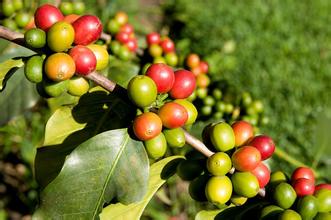
Costa Rica SHB Coffee Beans: Bold, Sweet, and Complex
If you’ve ever sipped a Costa Rican coffee and wondered why it tastes so sweet, bright, and full-bodied compared to other Latin American origins, the answer starts with altitude—and strict quality control. The country’s high-elevation farms produce some of the most consistent and flavorful beans in the world, especially those classified as Strictly Hard Bean (SHB).
The key difference? SHB coffee is grown at elevations above 1,500 meters, where cooler temperatures slow bean development, increasing sugar accumulation and acidity. That’s why Costa Rican SHB beans deliver such a vibrant, complex cup.
What Makes Costa Rica SHB Coffee Different?
Costa Rican coffee is known for its unusually high quality standards. The country’s coffee industry was once managed by the Instituto del Café de Costa Rica (ICAFE), but is now overseen by the Oficina del Café. One longstanding practice is the removal of export-quality beans: any beans failing to meet export standards are dyed blue with vegetable dye and redirected for domestic sale. About 10% of the country’s coffee is consumed locally—roughly double per capita compared to Italy or the United States.
Despite facing more frequent natural disasters than many coffee-growing regions, Costa Rica maintains a productive coffee area capable of meeting global demand. While much of the nation’s output is suited for blending, the best lots—especially those grown at high elevation—are exceptional.
Why Altitude Matters in Costa Rican Coffee
Elevation is the most critical factor in Costa Rica’s coffee quality. SHB beans are cultivated above 1,500 meters, where lower nighttime temperatures slow maturation, allowing beans to develop more sugars and complex acids. The high altitude also increases atmospheric pressure, which affects how coffee cherries develop internally. Additionally, steep terrain creates ideal drainage and contributes to higher rainfall, both crucial for healthy coffee trees.
However, growing at elevation isn’t without challenges. The remote, high-altitude farms often face logistical hurdles that can raise production costs. To improve efficiency, Costa Rican producers have adopted technologies like electronic eye sorting systems that identify and remove misshapen or defective beans during processing.
How Processing Defines Costa Rican Flavor
Historically, Costa Rican coffee was almost exclusively washed processed. But due to water shortages, producers innovated by adapting the Brazilian pulped natural method into what is now a signature local style: honey process. This technique removes the coffee cherry skin but leaves varying amounts of sticky mucilage (fruit pulp) on the beans as they dry. The result is a sweeter, fruitier cup with more body and complexity than traditional washed coffee.
The amount of mucilage left on the bean—and the duration and conditions of drying—determine the type of honey process. In Costa Rica, these are categorized as:
- Black Honey: maximum mucilage retention, longest drying time (often 14+ days), intense sweetness and fermented fruit notes
- Red Honey: moderate mucilage, extended drying in shaded conditions
- Yellow Honey: less mucilage, faster drying with more sun exposure
- White Honey: minimal mucilage, fastest drying, cleaner and brighter profile
FrontStreet Coffee’s Blackberry lot uses Black Honey (maximum mucilage), resulting in a complex profile of ripe berries and rich sweetness. Their Mozart uses a unique raisin-like dried cherry process (grape-dried then fully mucilage-retained), yielding notes of grape, rose, and vinous fermentation.
Frequently Asked Questions
What does SHB mean in Costa Rican coffee?
SHB stands for Strictly Hard Bean, referring to coffee grown at elevations above 1,500 meters in Costa Rica. The high altitude slows bean growth, increasing sugar content and acidity, which leads to a more complex and flavorful cup.
Why is altitude important for coffee flavor?
Higher altitudes have lower temperatures and greater air pressure, which slow down coffee cherry ripening. This extended development allows beans to accumulate more sugars and develop more pronounced acids, resulting in a sweeter, brighter, and more complex flavor profile.
What is honey process coffee?
Honey process is a method where the coffee cherry skin is removed but some or all of the sticky mucilage (fruit pulp) is left on the beans during drying. This results in a sweeter, fruitier cup with more body than washed coffee. In Costa Rica, it's categorized into Black, Red, Yellow, and White Honey based on mucilage levels and drying style.
What makes Costa Rican coffee different from other Latin American coffees?
Costa Rican coffee is known for its consistently high quality, strict export controls, and distinct processing methods like honey processing. Its high-altitude SHB beans often feature bright acidity, full body, and pronounced sweetness, setting them apart from more balanced or nutty profiles typical of other regions.
Does Costa Rica still dye low-quality beans?
Yes, beans that don’t meet export quality standards are dyed blue using vegetable dye and sold domestically. Around 10% of Costa Rica’s coffee is consumed locally, with per capita consumption about twice that of Italy or the United States.
Recommended FrontStreet Beans for SHB Fans
For fans of Costa Rica’s bold, sweet SHB profile, try FrontStreet Coffee’s Blackberry—a Black Honey lot with intense ripe berry and sweet complexity, dried slowly for maximum fruitiness. Mozart offers a unique twist with grape-dried mucilage retention, highlighting grape, rose, and vinous notes. Both beans showcase the sweetness and processing innovation that define top Costa Rican coffees. Freshly roasted within 5 days · Orders placed before 17:00 ship the same day · Next-day delivery across most of Guangdong Province.
FrontStreet Coffee is a long-established specialty coffee roaster in Guangzhou China, selling freshly roasted beans from its own farm in Yunnan as well as dozens of carefully selected single-origin beans from around the world for both pour-over and espresso. The products deliver consistently excellent quality and great value, with shipping within 24 hours. Guangzhou's FrontStreet Coffee shop is recommended by many coffee lovers, and the beans are now available online at the Tmall 。
Important Notice :
前街咖啡 FrontStreet Coffee has moved to new addredd:
FrontStreet Coffee Address: 315,Donghua East Road,GuangZhou
Tel:020 38364473