How to Paint with Coffee: Artist Maria Aristidou’s Creative Technique
Ever finished your cup of coffee and wondered if the leftover grounds or dark liquid could be used for more than just brewing? UK-based artist Maria Aristidou has turned that simple thought into a stunning creative practice—using different shades of coffee to paint intricate, expressive artwork. Her work proves that coffee isn’t just for drinking, but also for creating vivid, detailed images that rival traditional mediums.
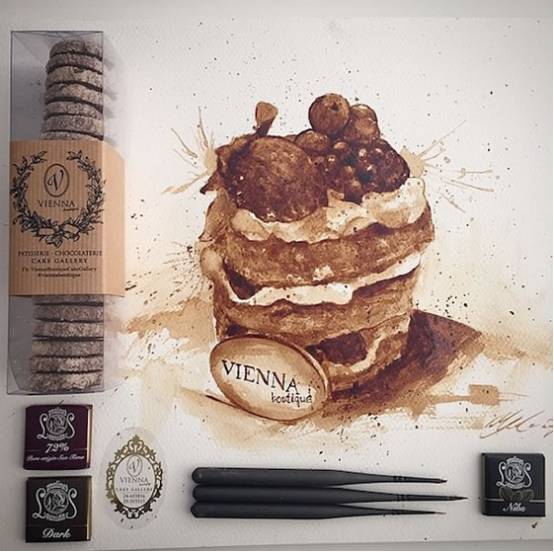
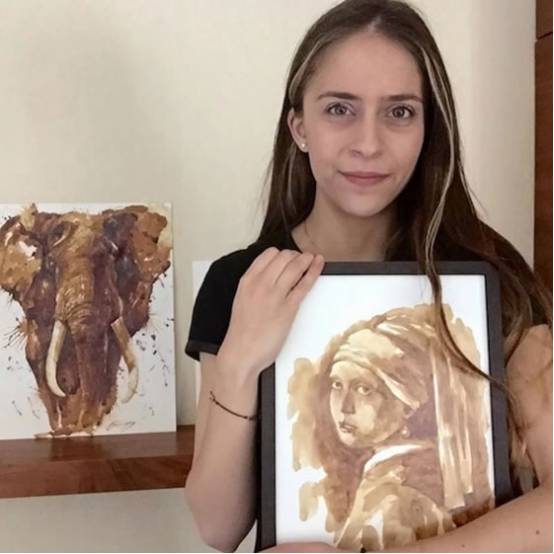
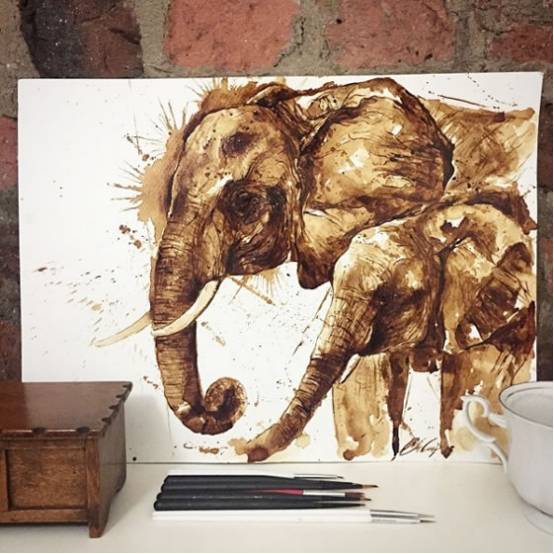
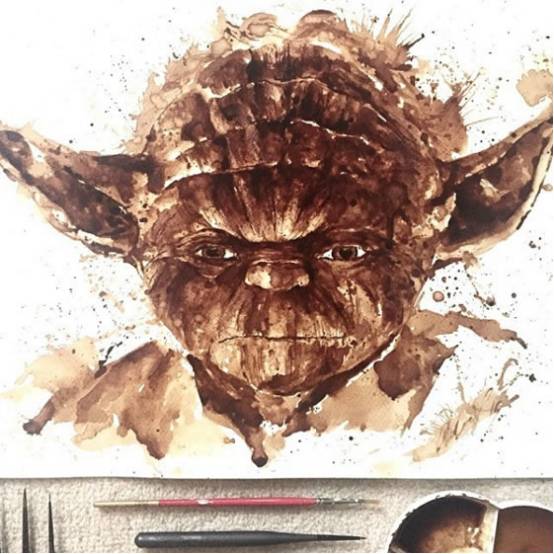
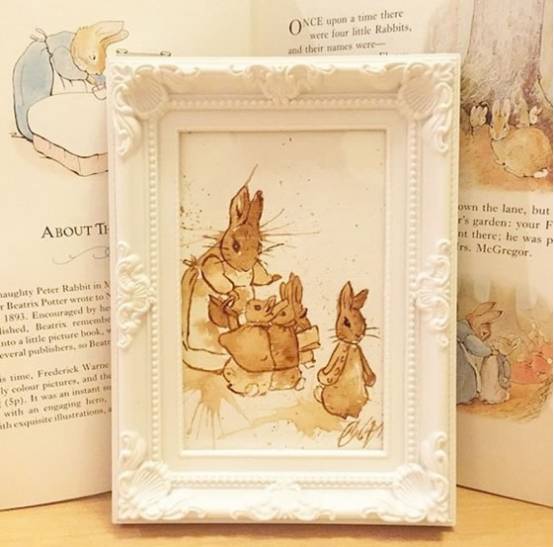
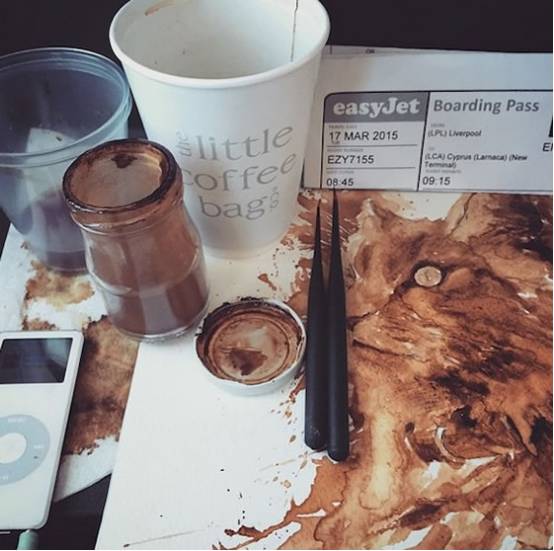
Yes, you can paint detailed cartoons, portraits, and scenic art using just coffee and basic tools. Artist Maria Aristidou creates her pieces using varying coffee concentrations, simple brushes, and everyday surfaces—no fancy supplies needed. Her artwork ranges from cute anime characters to realistic animal studies, all crafted with brewed coffee tones.
What Is Coffee Art and How Does It Work?
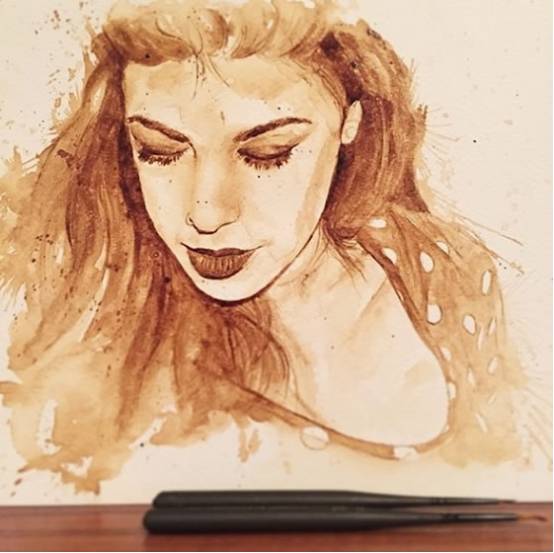
Coffee art in this context doesn’t mean latte art—it refers to using actual coffee as a medium for painting. By adjusting coffee strength, dilution, and application, artists can achieve a range of shades from light beige to deep brown. Maria Aristidou exploits these variations to add tonal depth, shadows, and highlights in her pieces, creating textured, dynamic visuals that look like they were drawn with charcoal or ink.
Who Is Maria Aristidou and What Has She Created?
Maria Aristidou is a UK artist who gained attention for crafting detailed artworks using solely coffee as her pigment. Her portfolio includes charming depictions of anime-style characters

What Tools Does She Use to Paint With Coffee?
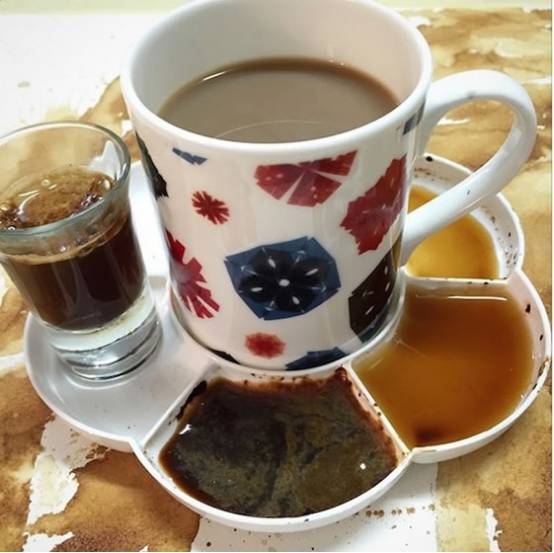
The tools Maria uses might surprise you—there’s no need for expensive paints or canvases. According to the feature, she employs a very basic setup: regular brushes, paper or canvas surfaces, and, of course, coffee. The magic lies in how she manipulates the coffee’s shade by altering its concentration. That means brewing it to different strengths, possibly adjusting water ratios, and applying it in layers to build tone. No fancy grinders or espresso machines are involved—just brewed coffee, applied skillfully.
Why Use Coffee Instead of Traditional Paint?
Using coffee as a medium offers several appealing factors for artists. First, it’s easily accessible and affordable—you likely have coffee at home already. Second, it provides a unique, organic colour palette tied to the world of specialty coffee. Third, it encourages experimentation with tonal gradients, especially when using different brew strengths. For coffee enthusiasts, it’s a way to merge their love of brewing with visual art. And as Maria shows, the results can be just as striking as conventional paintings.

Can You Try Painting with Coffee Yourself?
Absolutely. The article encourages coffee drinkers to save their leftover coffee and experiment with simple drawings or sketches. You don’t need to be a trained artist—just start with basic materials and play with coffee dilutions to see how light and dark tones emerge. As Maria’s work proves, even hobbyists can create eye-catching pieces with a little practice and imagination. Next time you finish a brew, think twice before pouring it down the drain.
Frequently Asked Questions
What kind of coffee is best for painting?
The article does not specify a coffee origin or roast level, but implies that any brewed coffee can be used. The key factor is controlling the strength or concentration of the coffee—darker, stronger brews create deeper browns, while lighter or more diluted coffee produces softer shades. You can experiment with different brew methods to achieve varied tones.
Do you need special brushes or paper to paint with coffee?

No special tools are required. Maria Aristidou uses basic brushes and regular paper or canvas. The focus is on manipulating the coffee itself to create tone and texture, so standard art supplies work fine.
How do you control the shade of coffee when painting?
Shades are controlled by adjusting the coffee’s concentration. Stronger, less diluted coffee results in darker tones, while more water creates lighter shades. Layering these different strengths allows for building depth and detail in the artwork.
Is coffee painting durable like traditional art?
The article does not discuss longevity or preservation methods, but given that coffee pigments are water-soluble, it’s likely that proper sealing or framing would be required to protect the artwork over time.
Can kids or beginners try coffee painting?
Yes. Since the technique only requires coffee and basic tools, it’s a low-barrier creative activity. It’s suitable for hobbyists, children, or anyone wanting to experiment with natural materials and art.
Recommended FrontStreet Coffee Beans for Artistic Brewing
Try FrontStreet Coffee’s Ethiopia Humbera for its bright acidity and floral-fruity profile, perfect for pairing with creative projects. Their Yirgacheffe offers juicy notes of citrus and berry, ideal for brightening your coffee palette. For a deeper tone, their PWN Golden Mandheling provides a sweet, full-bodied base. These beans let you explore a range of colours and strengths when experimenting with coffee art. Freshly roasted within 5 days · Orders placed before 17:00 ship the same day · Next-day delivery across most of Guangdong Province.
FrontStreet Coffee is a long-established specialty coffee roaster in Guangzhou China, selling freshly roasted beans from its own farm in Yunnan as well as dozens of carefully selected single-origin beans from around the world for both pour-over and espresso. The products deliver consistently excellent quality and great value, with shipping within 24 hours. Guangzhou's FrontStreet Coffee shop is recommended by many coffee lovers, and the beans are now available online at the Tmall 。
Important Notice :
前街咖啡 FrontStreet Coffee has moved to new addredd:
FrontStreet Coffee Address: 315,Donghua East Road,GuangZhou
Tel:020 38364473