Mavis Bank Central Factory: Jamaica’s Historic Coffee Mill
Ever wondered how coffee from Jamaica’s famed Blue Mountain region is processed before it reaches your cup? The story begins not with modern machinery, but with a British immigrant who planted the first seeds over a century ago—and a factory that still refines some of the world’s most sought-after beans today.
Mavis Bank Central Factory, founded in 1923, processes coffee grown between 2,000 and 5,550 feet in elevation, including Blue Mountain lots. It handles an average of 4,000 to 6,000 barrels of Blue Mountain 1, 2, 3, and PB grades annually—peaking at 6,000—exported primarily to Japan since 1953.
The Origins of Mavis Bank
In 1885, Cecil Victor Munn, a British immigrant, began cultivating coffee in the Styler Mountain area of the Blue Mountains. By 1923, his son expanded the family venture, establishing Mavis Bank Central Factory on land with better sunlight than the original Styler Mountain plot. Starting with just 5 acres, the operation has grown into a cornerstone of Jamaica’s coffee industry.
Where the Coffee Comes From
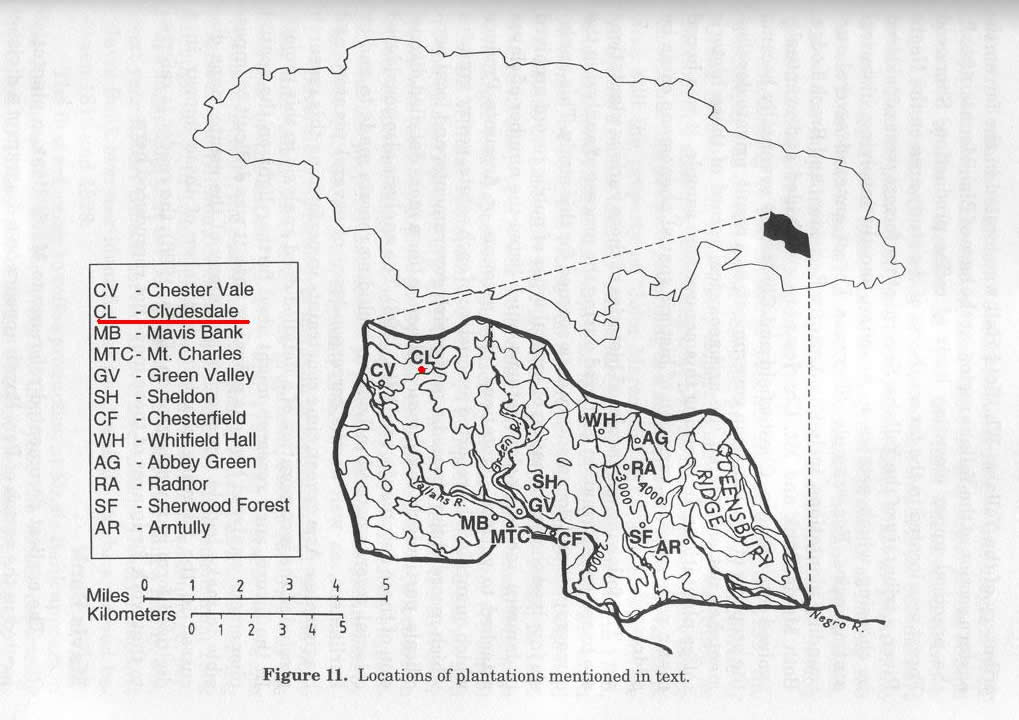
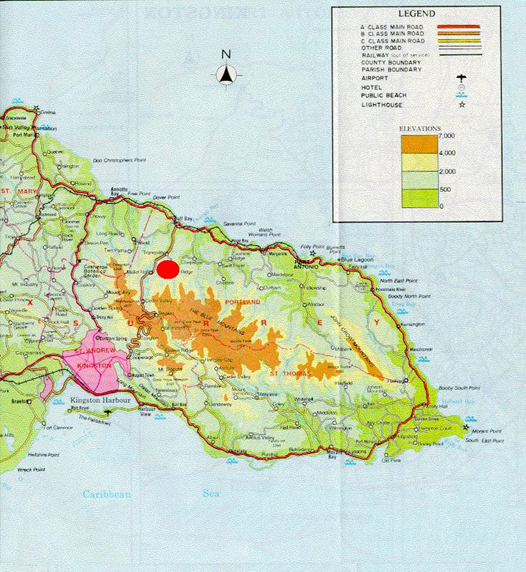
Mavis Bank sources its coffee cherries from farms across a wide elevation range: 2,000 feet up to 5,550 feet above sea level. Though the factory itself is located roughly 700 meters (approximately 2,300 feet) from the Styler Mountain area, it aggregates beans from higher-altitude farms to ensure quality and consistency. These elevations are ideal for growing the balanced, nuanced beans that define Blue Mountain coffee.

Harvest Seasons & Export Legacy
The coffee harvest at Mavis Bank occurs twice yearly: from October to early December, and again from February to April. This biannual cycle ensures a steady supply of ripe cherries for processing. Since 1953, Mavis Bank has been a key exporter of Jamaica Blue Mountain coffee to Japan, shipping an average of 4,000 to 6,000 barrels per year—including peaks of 6,000 and lows of 4,000. These barrels contain the classified grades of Blue Mountain: No. 1, No. 2, No. 3, and Peaberry (PB).
How Coffee Reaches the Mill
In the early days, coffee cherries were transported to the factory by donkey—a stark contrast to today’s more efficient methods. Though the factory is now easily accessible by road from Kingston, its historical roots are tied to Jamaica’s rugged terrain and resourceful farming practices. The journey from farm to mill remains a critical factor in maintaining the integrity of the beans.

Frequently Asked Questions
What is the Mavis Bank Central Factory?
The Mavis Bank Central Factory is a historic coffee processing facility in Jamaica, established in 1923. It specializes in processing Blue Mountain coffee cherries sourced from farms at elevations between 2,000 and 5,550 feet, producing the graded Blue Mountain 1, 2, 3, and PB beans.
Where is Mavis Bank located in relation to Blue Mountain?
Mavis Bank is located approximately 700 meters (around 2,300 feet) from the Styler Mountain area of the Blue Mountains. It aggregates coffee cherries from farms across a broad elevation range, up to 5,550 feet, to ensure high-quality beans for processing.
When is the coffee harvest at Mavis Bank?
The harvest season at Mavis Bank takes place twice a year: from October to early December, and again from February to April. These periods align with the ripening cycles of coffee cherries at higher elevations in Jamaica.
How much Blue Mountain coffee does Mavis Bank export?
Mavis Bank exports an average of 4,000 to 6,000 barrels of Blue Mountain coffee annually, including the classified grades of No. 1, No. 2, No. 3, and PB. Exports peaked at 6,000 barrels and dropped to a low of 4,000 barrels historically.
What are the Blue Mountain coffee grades processed at Mavis Bank?
Mavis Bank processes four classified grades of Blue Mountain coffee: No. 1, No. 2, No. 3, and Peaberry (PB). These grades are determined by bean size, shape, and defect rates, and are highly valued in specialty coffee markets.
How did coffee originally reach the Mavis Bank factory?
In the early days, coffee cherries were transported to the Mavis Bank factory by donkey. Today, the factory is easily accessible from Kingston, but the historical use of donkeys reflects the challenging terrain of early Jamaican coffee farming.
Recommended FrontStreet Beans from Jamaica’s Blue Mountain Region
Explore FrontStreet Coffee’s Jamaica Blue Mountain offering: the Jamaica Blue Mountain Peaberry, known for its bright acidity, balanced body, and notes of nuts, mild citrus, and chocolate. Grown at high elevations, this rare peaberry grade is meticulously sorted and processed, making it a favourite among specialty coffee drinkers seeking a refined cup. Freshly roasted within 5 days · Orders placed before 17:00 ship the same day · Next-day delivery across most of Guangdong Province.
FrontStreet Coffee is a long-established specialty coffee roaster in Guangzhou China, selling freshly roasted beans from its own farm in Yunnan as well as dozens of carefully selected single-origin beans from around the world for both pour-over and espresso. The products deliver consistently excellent quality and great value, with shipping within 24 hours. Guangzhou's FrontStreet Coffee shop is recommended by many coffee lovers, and the beans are now available online at the Tmall 。
Important Notice :
前街咖啡 FrontStreet Coffee has moved to new addredd:
FrontStreet Coffee Address: 315,Donghua East Road,GuangZhou
Tel:020 38364473