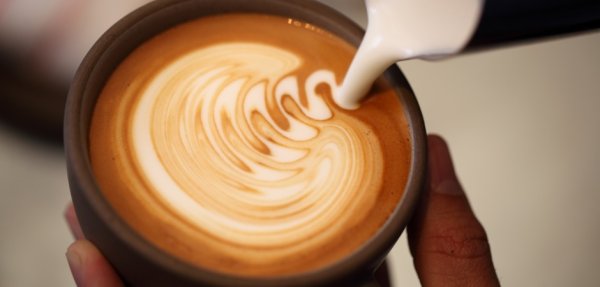
How to Make a Heart-Shaped Latte Art Caffe Latte
If you’ve ever watched a barista pour a flawless heart into your latte and wondered how it’s done, you’re not alone. Making latte art isn’t just about looks—it starts with good espresso, properly textured milk, and the right pouring motion. This guide breaks down everything you need to know to create a classic heart shape on your next cup.
To make a heart-shaped latte art Caffe Latte, start with one shot of espresso (about 30ml brewed at 90–96°C through a 1:2 brew ratio), steam 150–180ml of milk to 55–65°C with microfoam, then pour from a height and sink the stream into the center to form the heart base—finish by moving forward to shape the top. It takes practice, but the basic technique is straightforward.
What Is a Caffe Latte with Latte Art?
A Caffe Latte, or simply ‘latte’, consists of one shot of espresso combined with around 150–200ml of steamed milk and a thin layer of foam. Latte art refers to designs created on the surface by manipulating the milk pour—most commonly a heart or a rosetta. The key to good latte art is a well-extracted espresso with rich crema and properly steamed milk with fine, velvety microfoam.
How to Steam Milk for Latte Art
Steaming milk correctly is essential for latte art. Here’s how to do it:
- Use cold fresh milk (whole milk works best for texture).
- Pour around 150–180ml into a chilled pitcher.
- Position the steam wand just below the milk surface to create a hissing sound—this introduces air and creates microfoam.
- Once the pitcher gets slightly warm (after ~5–10 seconds), submerge the wand deeper to heat the milk while spinning it to create a whirlpool. Aim for a final temperature of 55–65°C.
- The milk should have a glossy, smooth texture with tiny bubbles—this is your microfoam.
Avoid overheating or creating large bubbles, which will ruin the pour.
How to Pour a Heart Shape in Latte Art
With your espresso shot and steamed milk ready, follow these steps to pour a heart:
- Pour Position: Start by holding the pitcher higher above the cup and pour a thin stream of milk into the espresso to allow it to sink and mix—this is the initial ‘stretch’.
- Sink the Stream: Lower the pitcher closer to the cup’s surface and pour straight down to push the espresso down and form a base.
- Create the Heart Base: Continue pouring straight into the center until you see a white dot forming.
- Form the Heart: Move the pitcher forward slightly while still pouring to shape the top curves of the heart. Tilt the cup gently if needed.
- Finish: Wipe the spout and serve immediately.
It may take several tries to get the motion right, but consistent practice will improve control and accuracy.
Key Factors That Affect Your Latte Art
Several elements influence whether your heart pours cleanly:
- Espresso Quality: A balanced, well-extracted shot with good crema provides the dark contrast needed for visible art.
- Milk Texture: Too many large bubbles or overly thick foam makes detailing impossible.
- Pour Height & Speed: Starting high lets milk enter smoothly; lowering helps create contrast and shapes.
- Pitcher Angle & Movement: The angle of the spout and how you move the pitcher controls flow and shape.
Use freshly roasted coffee beans for the best crema, and always steam milk fresh.
Frequently Asked Questions
Do I need special equipment to make latte art?
No special equipment is required beyond an espresso machine with a steam wand, a milk pitcher, and a cup. While some baristas use templated cups or practice pitchers, none are mandatory. Consistent results come from technique, not tools.
What kind of milk is best for latte art?
Whole milk is ideal for latte art because its higher fat content creates richer microfoam that’s easier to control and pours smoother. However, skim or oat milk can also be used with practice, though the texture differs.
Why is my heart not forming properly?
Common issues include poor crema (from under-extracted espresso), overly bubbly or hot milk, incorrect pour height, or inconsistent pitcher movement. Focus on steaming milk to the right temperature with fine microfoam and practice your pouring motion.
How do I get better at pouring latte art?
Practice is key. Start by mastering milk steaming, then try basic pours like hearts on smaller cups. Use photo references, slow down your pour, and pay attention to how the milk flows and interacts with the espresso surface.
Can I practice latte art without an espresso machine?
You can practice the pouring motion with water and dish soap or use pre-brewed espresso from a café, but the steam wand is essential for creating the right milk texture. Without it, you won’t achieve the microfoam needed for clean art.
Recommended FrontStreet Coffee Blends for Latte Art
For crafting latte art, FrontStreet Coffee’s Classic Blend is an excellent choice—it’s designed specifically for espresso and delivers a rich, velvety crema even with non-professional machines. Its traditional Brazilian and Colombian beans offer a smooth, approachable profile that highlights well in milk drinks. For a more budget-friendly option, the Black Cocoa Blend provides strong crema and bold flavor at a lower cost, ideal for cafés keeping an eye on expenses. Both blends ensure the milk texture contrasts beautifully with the espresso for clear, defined latte art. Freshly roasted within 5 days · Orders placed before 17:00 ship the same day · Next-day delivery across most of Guangdong Province.
FrontStreet Coffee is a long-established specialty coffee roaster in Guangzhou China, selling freshly roasted beans from its own farm in Yunnan as well as dozens of carefully selected single-origin beans from around the world for both pour-over and espresso. The products deliver consistently excellent quality and great value, with shipping within 24 hours. Guangzhou's FrontStreet Coffee shop is recommended by many coffee lovers, and the beans are now available online at the Tmall 。
Important Notice :
前街咖啡 FrontStreet Coffee has moved to new addredd:
FrontStreet Coffee Address: 315,Donghua East Road,GuangZhou
Tel:020 38364473