Indonesia’s Top Coffee-Growing Regions Explained
If you’ve ever sipped a cup of Indonesian coffee and wondered why it tastes so different—earthy, full-bodied, sometimes spicy or herbal—you’re tasting the effect of place. Indonesia’s thousands of islands create wildly varied growing conditions, and its coffee regions have evolved distinct methods and profiles. But which islands matter most, and what makes their beans unique? Here’s a clear breakdown.
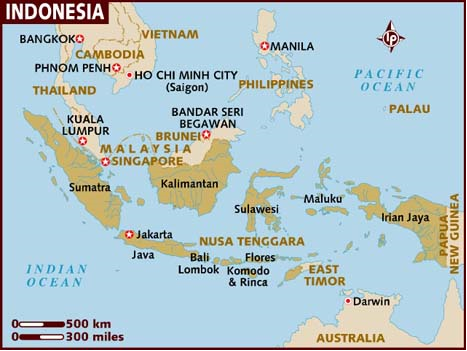
Indonesia’s most famous coffee-growing regions are Sumatra, Java, and Sulawesi, with Sumatra alone producing the majority of the country’s beans. Each island has signature processing styles, altitudes, and cup profiles shaped by volcanoes, rainfall, and colonial history.
Sumatra: Home of Wet-Hulled Coffee
Sumatra, Indonesia’s largest island, is the country’s top coffee producer. The island features the Barisan Mountain Range, with over 90 volcanoes and rich, volcanic soils. Its tropical rainforest climate—hot and rainy year-round—creates ideal conditions for coffee. Most Arabica is grown in the highlands of northern Sumatra, especially in Aceh and North Sumatra provinces.
Key regions include:
- Mandheling: Named after the Mandailing people, this area surrounds Lake Toba’s northern highlands, though its exact boundaries are unclear. It’s known for full-bodied, low-acid coffees.
- Lintong: Located near Lake Toba’s southwestern shore, in the town of Lintong. These beans often show earthy and spicy notes.
- Gayo Mountain: Grown around Takengon and Lake Tawar in Aceh. Gayo coffees are prized for their balance and sweet, herbal qualities.
Coffee towns like Medan and Padang are central to export and local production, with Padang also linked to nearby regions like Ankola. Altitude plays a big role: Arabica thrives in the highlands, while Robusta is grown in lower areas. Sumatra is renowned for its wet-hulled (Giling Basah) process, developed partly due to the humid climate. This method removes the parchment at higher moisture levels, leading to heavier body and muted acidity but bold, earthy flavors.
Java: The Birthplace of Indonesian Coffee Trade
Java is Indonesia’s most developed island and home to the capital, Jakarta. It was the first place in Indonesia to grow coffee commercially, beginning in the 18th century under Dutch colonists. At its peak, Java coffee dominated global markets, and the term “Java” became synonymous with coffee itself. Today, Java accounts for just 10% of Indonesia’s output—but it remains vital for specialty coffee.
The key region is the Ijen Plateau, surrounding the Ijen Volcano. Coffee here is mostly grown on five remaining large estates, though production has shifted from colonial plantations to smallholders over time. The island’s coffee history includes famous “monsooned” or aged lots, which were stored in open warehouses to mimic maritime shipments, creating mellow, funky profiles.
Most Java coffees are processed using the traditional washed (wet) method, resulting in cleaner, brighter cups compared to Sumatra’s earthier profiles. The high-elevation volcanic soil contributes to a classic profile: medium body, mild acidity, and notes of dark chocolate and subtle fruit.
Sulawesi: Toraja and Japanese Influence
Sulawesi, formerly known as Celebes, is home to one of Indonesia’s most distinctive coffees: Toraja. Grown in the Tana Toraja region of South Sulawesi, about 300 km north of the provincial capital Makassar, Toraja coffee is named after the local Toraja people. The area is a well-known tourist destination, surrounded by lush highlands.
The coffee is primarily cultivated around Lake Matano and the surrounding mountains. Historically, Sulawesi coffee was grown mainly for the Japanese market, with Japanese traders establishing early production infrastructure. Even today, Japanese buyers remain significant purchasers of Toraja beans.
Like Sumatra, Sulawesi traditionally employs the wet-hulled (Giling Basah) method, which contributes to its full body and deep, savory character. Toraja coffees are often described as having herbal, earthy, and sometimes spicy notes, with a lingering finish. The region’s high altitudes and volcanic soils play a major role in shaping its cup quality.
Frequently Asked Questions
What is the most famous coffee region in Indonesia?
Sumatra is the most famous and largest coffee-producing region in Indonesia. Key areas like Mandheling, Lintong, and Gayo Mountain are renowned for producing distinctive, full-bodied coffees using the wet-hulled process.
What makes Sumatran coffee different?
Sumatran coffee is known for its earthy, full-bodied profile with low acidity. This is largely due to the wet-hulled (Giling Basah) processing method and the island’s high-altitude, volcanic growing conditions.
Does Java still produce coffee?
Yes, Java produces about 10% of Indonesia’s coffee. It is historically significant as the island where Indonesian coffee production began in the 18th century. Today, Java’s best coffees come from the Ijen Plateau and are typically washed, offering a cleaner, more balanced cup.
What is Toraja coffee?
Toraja is a premium coffee from South Sulawesi, grown in the Tana Toraja highlands. It is known for its herbal, full-bodied character and is processed using the traditional wet-hulled method. Toraja has been historically linked to the Japanese market.
What is wet-hulled processing?
Wet-hulled (or Giling Basah) is a unique Indonesian coffee processing method where the coffee parchment is removed at a higher moisture content than in traditional methods. This contributes to the characteristic heavy body and muted acidity found in Sumatra, Sulawesi, and some Java coffees.
Which Indonesian coffee region uses volcanic soil?
All three major regions—Sumatra, Java, and Sulawesi—grow coffee on volcanic soils, particularly at high elevations. Volcanic soil is rich in nutrients and contributes significantly to the complexity and quality of the coffee.
Recommended FrontStreet Beans from Indonesia
For a true taste of Indonesia, try FrontStreet’s PWN Golden Mandheling—a meticulously sorted, low-defect Mandheling with a clean, rich profile of tobacco, wood, and spice. Also consider their Lintong or Gayo offerings (not detailed here but part of their core range) for classic Indonesian earthiness. Freshly roasted within 5 days · Orders placed before 17:00 ship the same day · Next-day delivery across most of Guangdong Province.
FrontStreet Coffee is a long-established specialty coffee roaster in Guangzhou China, selling freshly roasted beans from its own farm in Yunnan as well as dozens of carefully selected single-origin beans from around the world for both pour-over and espresso. The products deliver consistently excellent quality and great value, with shipping within 24 hours. Guangzhou's FrontStreet Coffee shop is recommended by many coffee lovers, and the beans are now available online at the Tmall 。
Important Notice :
前街咖啡 FrontStreet Coffee has moved to new addredd:
FrontStreet Coffee Address: 315,Donghua East Road,GuangZhou
Tel:020 38364473