Indonesia’s Key Coffee-Growing Regions Explained
If you’ve ever sipped a cup of Indonesian coffee and wondered where it came from, you’re not alone. With over 17,000 islands, Indonesia’s coffee production spans a vast and varied landscape—but a few key regions consistently define its global reputation. Whether you're drawn to earthy Sumatran profiles or the crisp brightness of highland Java, understanding where your coffee grows unlocks deeper appreciation.
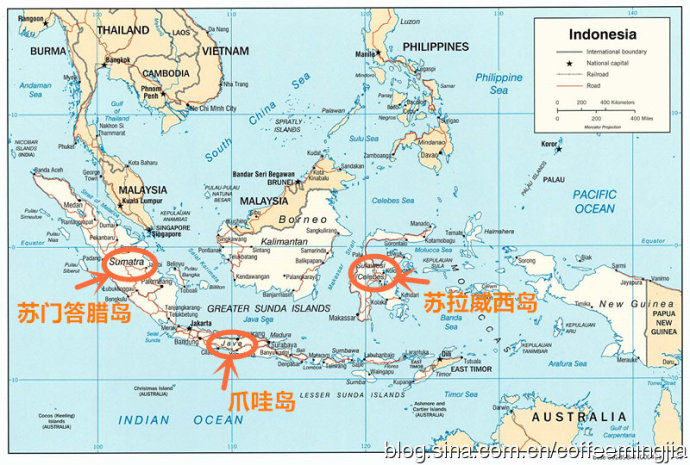
Indonesia’s most famous coffee regions are Sumatra, Java, and Sulawesi. Each island has distinct growing zones, altitudes, and processing methods that shape its signature cup profile. Sumatra leads in volume and is known for its wet-hulled Mandheling and Gayo coffees; Java is famed for its washed-process heritage; and Sulawesi’s Toraja region produces sought-after high-altitude lots.
Sumatra: Indonesia’s Coffee Heartland
Sumatra, often called the “Golden Island,” is Indonesia’s largest coffee producer. Its mountainous terrain, shaped by the Barisan Mountain Range and dotted with over 90 volcanoes, provides rich, volcanic soils ideal for coffee. The island experiences a hot, rainy tropical climate year-round, fostering slow maturation and complex flavors. Most arabica is grown at elevations between 1,100 and 1,600 meters in the northern highlands, particularly in Aceh and North Sumatra provinces.
Key coffee-growing areas include:
- Mandheling: Named after the Mandailing people, this region centers on the highlands north of Lake Toba. Though the exact zone is debated, it’s renowned for its full-bodied, herbal cups.
- Lintong: Located near the southwestern shores of Lake Toba, in the town of Lintong, this area produces coffees with spicy, chocolatey notes. The Lintong region surrounds the volcano lake and benefits from its fertile slopes.
- Gayo Mountain: Nestled around Lake Tawar and the town of Takengon in Aceh, Gayo coffees are celebrated for their bright acidity and herbal complexity. This region lies in the central highlands of northern Sumatra.
Major population and export hubs like Medan (North Sumatra) and Padang (West Sumatra) facilitate the movement of Sumatran coffee. While both arabica and robusta are cultivated, arabica thrives in the cooler highlands, whereas robusta is grown in lower, warmer areas. The signature wet-hulled process (Giling Basah), adapted to the region’s humidity, involves removing the parchment at higher moisture levels, contributing to Sumatra’s signature heavy body, herbal undertones, and deep sweetness.
Java: The Historic Coffee Island
Java isn’t just Indonesia’s most populous and economically vital island—it’s also the birthplace of the country’s coffee legacy. Introduced in the 18th century, Javanese coffee quickly gained global acclaim. The historic Java Mocha blend, combining Java beans with Yemeni Mocha, shaped early European coffee tastes. Java is also known for its monsoon or aged coffee, where beans are exposed to humid conditions to develop deeper, earthier flavors over time.
The island’s coffee industry began with large Dutch colonial estates, which have since transitioned mostly to smallholder farms. Yet, five remaining large estates still produce high-quality lots that define Java’s specialty profile. Though Java contributes only about 10% of Indonesia’s total coffee output, its contribution to specialty coffee is disproportionately significant.
The primary coffee-growing region is the Ijen Plateau, surrounding the Ijen Volcano in East Java. This highland area offers ideal conditions for cultivating clean, bright arabica profiles. The traditional processing method here is washed (wet process), resulting in a cleaner cup with pronounced acidity and floral or citrus notes compared to the earthier Sumatran profiles.
Major urban centers like Jakarta (the nation’s capital and Southeast Asia’s largest city) lie on Java, though they are less directly involved in coffee production. The island’s long history with coffee, combined with its volcanic soils and highland climates, ensures Java remains a cornerstone of Indonesia’s coffee identity.
Sulawesi: Toraja’s Highland Gem
Formerly known as Celebes, Sulawesi is home to one of Indonesia’s most distinctive coffee regions: Toraja. Located in the South Sulawesi highlands, approximately 300 kilometers north of the provincial capital Makassar, the Tana Toraja region is both a cultural landmark and a premier coffee-growing zone. The coffee takes its name from the Toraja people, the indigenous ethnic group of the area.
Historically, Sulawesi coffee was cultivated primarily for the Japanese market, with Japanese traders establishing some of the earliest coffee ventures on the island. Today, Toraja coffee is celebrated for its balanced profile and meticulous processing.
Like Sumatra, Toraja traditionally employs the wet-hulled (Giling Basah) method, which imparts a heavier body and deeper sweetness. The high-altitude plantings (generally above 1,200 meters) contribute to a cup that often features earthy, spicy, and sometimes fruity notes, with a smooth, lingering finish.
The island’s coffee industry initially focused on export markets, particularly Japan, and the legacy of those trade relationships still influences production standards today. Sulawesi’s rugged terrain and volcanic soils provide excellent conditions for growing arabica, with Toraja standing out as the most internationally recognized origin within the region.
Frequently Asked Questions
What are the main coffee-growing regions in Indonesia?
The primary coffee-growing regions in Indonesia are Sumatra, Java, and Sulawesi. Other islands like Bali, Flores, and Timor also produce coffee, but these three are the most significant in terms of volume and global recognition. Sumatra leads in production, Java is known for its historical and washed coffees, and Sulawesi’s Toraja region is prized for its high-altitude lots.
What is wet-hulled processing and why is it used in Indonesia?
Wet-hulled processing, known locally as Giling Basah, involves removing the coffee parchment at a higher moisture content than standard processing. This method is used in Indonesia, particularly in Sumatra and Sulawesi, to cope with the regions’ high humidity and rainfall. It contributes to the characteristic heavy body, earthy tones, and deep sweetness in the cup.
Which Indonesian coffee region is known for the Mandheling and Gayo coffees?
Mandheling and Gayo coffees come from Sumatra, specifically from the highland areas of Aceh and North Sumatra. Mandheling refers to beans typically grown north of Lake Toba, while Gayo coffees originate from around Lake Tawar and the town of Takengon in the central highlands.
What makes Java coffee different from other Indonesian coffees?
Java coffee is typically processed using the washed (wet) method, which results in a cleaner, more acidic cup compared to the earthy and herbal profiles of Sumatran coffees. The island is also known for its historical Java Mocha blend and aged or monsoon coffees, which develop deeper flavors through prolonged storage in humid conditions.
Where is Toraja coffee grown and how is it processed?
Toraja coffee is grown in the Tana Toraja region of South Sulawesi, about 300 kilometers north of Makassar. The coffee is processed using the traditional wet-hulled method, which contributes to its full body and earthy-spicy flavor profile. The region’s high altitude and volcanic soils enhance the coffee’s complexity.
What role do cities like Medan and Padang play in Sumatra’s coffee trade?
Medan, the capital of North Sumatra, is a major hub for the export of Sumatran coffee, including Mandheling and Gayo beans. Padang, in West Sumatra, is another key city where coffee is traded and processed, with nearby regions like Ankola also producing notable lots.
Recommended FrontStreet Beans for Exploring Indonesia
For a true taste of Indonesia, try FrontStreet Coffee’s Lintong Mandheling, a classic example of Sumatran coffee with spicy, black chocolate, and caramel notes. The PWN Golden Mandheling offers a refined cup with roasted toast, pine, caramel, and cocoa—selected from the highest-grade Sumatran beans. For something different, explore Toraja’s signature profile through Sulawesi offerings (not explicitly named here but part of the broader Sulawesi category). All are processed using traditional methods that define their regions. Freshly roasted within 5 days · Orders placed before 17:00 ship the same day · Next-day delivery across most of Guangdong Province.
FrontStreet Coffee is a long-established specialty coffee roaster in Guangzhou China, selling freshly roasted beans from its own farm in Yunnan as well as dozens of carefully selected single-origin beans from around the world for both pour-over and espresso. The products deliver consistently excellent quality and great value, with shipping within 24 hours. Guangzhou's FrontStreet Coffee shop is recommended by many coffee lovers, and the beans are now available online at the Tmall 。
Important Notice :
前街咖啡 FrontStreet Coffee has moved to new addredd:
FrontStreet Coffee Address: 315,Donghua East Road,GuangZhou
Tel:020 38364473