Indonesia Coffee Regions: From Java to Sumatra
If you’ve ever sipped a cup of dark, full-bodied Indonesian coffee and wondered where it came from, you’re not alone. Indonesia produces some of the world’s most distinctive coffees—but its many islands, processing styles, and histories make it a complex origin. This guide breaks down where Indonesia’s best coffees are grown, how they’re processed, and what makes them taste the way they do.
Indonesia ranks third in global coffee production, with over 11,000 bags produced in 2013 alone. Around 80% of that is Robusta, but its Arabica—especially from Sumatra, Java, and Sulawesi—is world-renowned for its deep body and unique processing.
How Indonesia’s Coffee Journey Began
The story starts in 1696, when the Dutch governor of Malabar sent coffee seedlings to Batavia (modern-day Jakarta). The first batch was lost to floods, but a second shipment in 1699 survived, leading to Indonesia’s first harvest in 1701. By 1711, Indonesian coffee was already being exported to Europe, making it the first major producer outside Africa and Arabia. At its 18th-century peak, Java coffee dominated the global market—until leaf rust devastated Arabica farms in the late 1700s.
Indonesia’s Key Coffee-Producing Islands
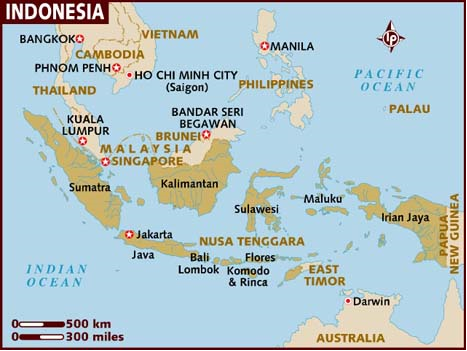
Indonesia’s coffee grows across its 17,000+ islands, but a few stand out:
- Java: The birthplace of Indonesia’s coffee fame, still known for high-quality beans and aged or monsooned coffee.
- Sumatra: Home to Mandheling, Lintong, and Gayo Mountain coffees, all celebrated for their herbal, earthy profiles.
- Sulawesi: Produces Toraja coffee, another Arabica gem with a unique character.
- Bali, Flores, and Timor: Smaller but notable regions, with some trees tracing back to the 16th or 17th century.
How Coffee Is Grown and Processed in Indonesia
Today, around 90% of Indonesia’s coffee comes from smallholder farmers. The country’s coffee history includes large colonial-era plantations, but post-independence changes shifted production to small plots.
Most Indonesian Arabica grows at 1,100–1,600 meters above sea level, with two main harvests: the main crop (September–October) and a smaller fly crop (May–June). Arabica cherries are usually hand-picked, with workers earning minimum wage plus bonuses.
Processing varies by region:
- Java: Traditionally uses washed (wet) processing for cleaner flavors.
- Sumatra and Sulawesi: Famous for wet hulling (local term: Giling Basah), a method that contributes to the region’s signature heavy body and earthy notes. Drying happens on patios, tarps, or even roadsides, depending on conditions.
As for varieties, Indonesia’s coffee is 10–15% Arabica, 80% Robusta, and a negligible amount of Liberica—which isn’t traded commercially.
Flavor Profiles Across Indonesian Regions
While flavors vary, Indonesian coffees are often described as having a heavy body and low acidity. Sumatran Mandheling and Gayo coffees, processed with wet hulling, often show herbal, spicy, and woody notes. Java’s aged coffees develop deeper, mustier tones, while Sulawesi’s Toraja offers a balanced, smooth cup.
These distinct profiles have made Indonesian coffee a favorite for blenders and single-origin enthusiasts alike.
Frequently Asked Questions
What is the most famous Indonesian coffee?
Mandheling coffee from Sumatra is among the most famous, known for its full body and notes of spice, herbs, and dark chocolate. Lintong and Gayo Mountain are also well-regarded Sumatran origins.
What is wet hulling (Giling Basah)?
Wet hulling is a unique Indonesian processing method where coffee is hulled at higher moisture levels than traditional methods, leading to a heavier body and earthy flavors. It’s commonly used in Sumatra and Sulawesi.
Which Indonesian island produces the oldest coffee history?
Java is the oldest coffee-producing region in Indonesia, with a history dating back to the late 1600s. It was once the world’s top coffee exporter before leaf rust outbreaks in the 1700s.
What coffee processing methods are used in Indonesia?
Indonesia uses washed (mainly in Java), wet hulling (in Sumatra and Sulawesi), and some natural methods. Drying varies by region—patios, tarps, or roadsides are all used.
Is Indonesian coffee mostly Arabica or Robusta?
About 80% of Indonesia’s coffee is Robusta, but its 10–15% Arabica production—including Mandheling and Gayo—is highly prized for specialty markets.
Recommended FrontStreet Beans for Indonesian Coffee Fans
FrontStreet Coffee’s Lintong Mandheling offers spice, black chocolate, and caramel notes with a sweet finish—classic Sumatra. The PWN Golden Mandheling is even more refined, with roast toast, pine, caramel, and cocoa flavors, a thick body, and long caramel sweetness. Sulawesi’s Toraja is also worth exploring for its smooth, herbal profile. Freshly roasted within 5 days · Orders placed before 17:00 ship the same day · Next-day delivery across most of Guangdong Province.
FrontStreet Coffee is a long-established specialty coffee roaster in Guangzhou China, selling freshly roasted beans from its own farm in Yunnan as well as dozens of carefully selected single-origin beans from around the world for both pour-over and espresso. The products deliver consistently excellent quality and great value, with shipping within 24 hours. Guangzhou's FrontStreet Coffee shop is recommended by many coffee lovers, and the beans are now available online at the Tmall 。
Important Notice :
前街咖啡 FrontStreet Coffee has moved to new addredd:
FrontStreet Coffee Address: 315,Donghua East Road,GuangZhou
Tel:020 38364473