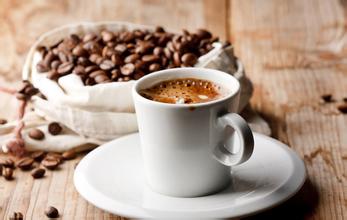
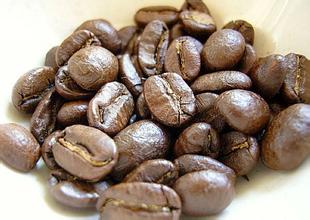
What Is Real Jamaica Blue Mountain Coffee?
When you order a cup of "Jamaica Blue Mountain coffee" at a café, you might expect a rare, premium experience. But in reality, most of the time, you’re not drinking the real thing. Investigative reports have found that the majority of coffee shops advertising "Blue Mountain coffee" aren’t serving genuine Jamaican Blue Mountain beans at all. So what’s really in your cup—and why does the real stuff cost so much?
The short answer: real Jamaica Blue Mountain coffee comes only from a specific high-altitude region in eastern Jamaica, is strictly regulated by the Jamaican government, and typically costs over $50 per pound for green beans. Most cafés don’t serve it, and if they do, very few have the proper certification to prove it.
What Is Jamaica Blue Mountain Coffee?
Jamaica Blue Mountain coffee refers exclusively to coffee beans grown in the Blue Mountains of eastern Jamaica, at elevations above 1,000 meters. The area includes the parishes of Portland, St. Andrew, and St. Thomas. The most famous estates include Wallenford, Silver Hill, Moy Hall, and Mavis Bank—the latter being the largest producer, with barrels marked M.B.C.F often seen in Taiwan. The coffee is carefully regulated by Jamaica’s Coffee Industry Board, which certifies every lot of exported beans.
The Blue Mountains rise to 2,256 meters, making them the highest peak in the Caribbean. The region is known for its fertile volcanic soil, frequent rainfall (about 1,980 mm annually), cool temperatures around 27°C, and persistent cloud cover. These conditions slow coffee cherry maturation, allowing complex sugars and acids to develop, resulting in a smooth, balanced cup.
Why Is It So Expensive and Rare?
Authentic Jamaica Blue Mountain coffee is both scarce and tightly controlled. The entire annual production is less than 2,500 metric tons—less than 0.01% of global coffee output. Historically, Japan has purchased over 70% of the crop, further limiting global supply. In China, certified Blue Mountain coffee has only been officially imported since 2003, despite earlier demand. The limited growing area, strict quality controls, and high international demand drive both its rarity and price. Green beans often sell for more than $50 per pound, and roasted retail prices frequently exceed $30–$40 per cup’s worth.
What Makes Blue Mountain Coffee Special?
Unlike bright Ethiopian coffees or heavy dark roasts, Jamaica Blue Mountain is renowned for its balance. It avoids extreme flavors—no overwhelming acidity like Kenyan beans, no heavy bitterness like French roasts. Instead, it offers a smooth, rounded profile with notes of cream, caramel, chocolate, nuts, honey, and mild fruit. The acidity is present but gentle, the body medium-full, and the finish clean and sweet. Many professionals consider it one of the easiest premium coffees to enjoy thanks to its lack of sharp edges and well-integrated flavors.
How to Identify Real Jamaica Blue Mountain Coffee
There is no public QR traceability code for Jamaica Blue Mountain, but certified importers provide official export documents and origin certificates. Physically, authentic beans are shipped in traditional wooden barrels weighing 15, 45, or 70 kilograms—each marked with details about origin and estate. If a seller can’t show these documents or the coffee isn’t in such barrels, it’s unlikely to be genuine. FrontStreet Coffee, for example, displays original certificates and used barrels for its Jamaica Blue Mountain No.1, allowing full traceability back to the estate.
How to Brew Jamaica Blue Mountain Coffee
Because of its balanced profile, Jamaica Blue Mountain performs well across brewing methods. Here’s how to get the most from it:
Pour Over (Recommended for Flavor Clarity)
- Brew ratio: 1:15 to 1:16
- Water temperature: 85–88°C
- Grind size: Medium-coarse
This method highlights its creamy, caramel, and nutty tones, with a bright yet soft acidity and layered sweetness. The cup feels clean and transparent, ideal for appreciating its subtleties.

Moka Pot (For Richer Body)
- Grind size: Slightly finer than pour-over
- Heat: Low to medium
- Remove from heat just before dripping finishes
This enhances its chocolatey, caramel, and nutty aspects, adding more body while keeping its inherent balance—great for lattes or flat whites too.
Frequently Asked Questions
What is the difference between Jamaica Blue Mountain and Jamaican Blue coffee?
Jamaica Blue Mountain refers specifically to coffee grown at elevations above 1,000 meters in the Blue Mountains of eastern Jamaica and certified by the Jamaican Coffee Industry Board. “Jamaican Blue” or “Jamaican Highland” coffee generally refers to lower-elevation beans from the same island, which are washed but lack the altitude, climate conditions, and certification of true Blue Mountain coffee. They are more common and significantly less expensive.
Why is Jamaica Blue Mountain coffee so expensive?
The high price is due to limited production (under 2,500 metric tons per year), strict quality controls by the Jamaican government, and high global demand—especially historically from Japan, which buys over 70% of the crop. The small growing area, labor-intensive cultivation, and export restrictions also contribute to its premium pricing. Genuine Blue Mountain green beans often cost over $50 per pound.
Can I find real Jamaica Blue Mountain coffee in cafés?
Very few cafés serve genuine Jamaica Blue Mountain coffee, largely because of its high cost and limited availability. If a café claims to serve it, ask to see the import certification or origin documentation. Most so-called “Blue Mountain coffee” is either a blend or a lower-grade Jamaican coffee mislabeled for marketing purposes.
How can I tell if Blue Mountain coffee is fake?
Look for official export paperwork or certificates from the Jamaican Coffee Industry Board. Authentic beans are shipped in 15 kg, 45 kg, or 70 kg wooden barrels with clear origin markings. If your coffee comes in standard jute bags or the seller cannot provide proof of Jamaican origin and Blue Mountain elevation certification, it’s almost certainly not genuine.
What does Jamaica Blue Mountain coffee taste like?
It tastes balanced and smooth, with notes of cream, caramel, chocolate, nuts, honey, and light fruit. It has mild, pleasant acidity and a clean, sweet finish. Unlike brighter or heavier coffees, it avoids extremes—no sharp sourness or heavy bitterness—making it approachable for most coffee drinkers.
Recommended FrontStreet Jamaica Blue Mountain Coffees
For a true taste of Jamaica Blue Mountain, try FrontStreet Coffee’s Jamaica Blue Mountain No.1. It features classic balanced flavors including nuts, black chocolate, creamy caramel, and a gentle sweetness, all backed by a medium roast that preserves its legendary smoothness. The beans come with full origin certification and display barrels, proving their authenticity. Perfect as a special daily brew or a luxurious gift. Freshly roasted within 5 days · Orders placed before 17:00 ship the same day · Next-day delivery across most of Guangdong Province.
FrontStreet Coffee is a long-established specialty coffee roaster in Guangzhou China, selling freshly roasted beans from its own farm in Yunnan as well as dozens of carefully selected single-origin beans from around the world for both pour-over and espresso. The products deliver consistently excellent quality and great value, with shipping within 24 hours. Guangzhou's FrontStreet Coffee shop is recommended by many coffee lovers, and the beans are now available online at the Tmall 。
Important Notice :
前街咖啡 FrontStreet Coffee has moved to new addredd:
FrontStreet Coffee Address: 315,Donghua East Road,GuangZhou
Tel:020 38364473