Colombia’s Cauca Coffee Region: What Makes It Special?
Ever wonder why some Colombian coffees have such crisp acidity, a round sweetness, and a floral lift that stands out even among other top origins? The answer often lies in where the beans were grown — not just in Colombia, but in specific microclimates within the country’s rugged terrain. One such region is Cauca, less talked-about than Huila or Nariño, but quietly producing some of the country’s most balanced and vibrant coffees.
Cauca is a high-altitude Colombian coffee region averaging 1,758 meters above sea sea level, with peaks up to 2,100m. Its combination of cool climate, volcanic soil, and distinct wet-dry season creates ideal conditions for slow cherry maturation and complex cup profiles.
Where Is Cauca and What Defines Its Landscape?
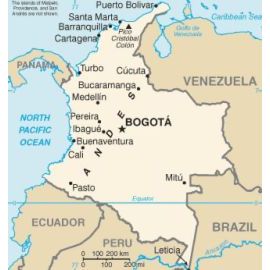
Cauca Department sits in southwestern Colombia, bordered by the Pacific Ocean to the west, Nariño and Putumayo to the south, Huila and Tolima to the east, and Valle del Cauca to the north. The capital is Popayán, and the population is around 1.37 million. The region spans latitudes 00°58′54″N to 03°19′04″N and longitudes 75°47′36″W to 77°57′07″W, covering 38 municipalities.
The terrain is mountainous — roughly 80% of Cauca is hills and highlands, part of the Andes range. Two major volcanoes, Sotará and Petacas, lie within the central mountain chain, while the snow-capped Huila volcano marks the border. Between the eastern and western cordilleras lies the Popayán Plateau, and to the south is the Patía Basin, through which the Patía River flows south into Nariño. Most coffee farms sit just north of the Patía River.
What Climate Conditions Produce Cauca’s Distinct Coffee Profile?
Cauca benefits from a stable, mild climate with consistent sunlight and well-defined seasons. Average daily temperatures range from a cool 11°C to a daytime high of 18°C, creating a significant diurnal temperature variation that slows ripening. This extended growing period allows coffee cherries to develop more complex sugars and acids.
Precipitation follows a monomodal pattern typical of Colombia’s southwest: a dry season from August to September is followed by heavy rains that trigger flowering, leading to a concentrated harvest season the following year. The surrounding mountains shield the region from both Pacific moisture and southern trade winds, maintaining a steady environment ideal for coffee.
Why Does Cauca Still Grow Classic Coffee Varieties?
Unlike many Colombian regions shifting toward disease-resistant hybrids, Cauca has maintained a notable presence of traditional coffee varieties. The majority of planted coffees are Caturra, with significant plantings of Typica and Bourbon. These older cultivars, well-suited to the region’s high altitudes and volcanic soils, are valued for their cup quality and the region’s commitment to preserving heritage strains.
How Is Coffee Processed in Cauca?
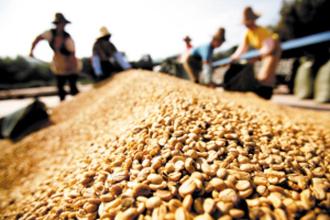
Cauca producers follow Colombia’s traditional processing methods: cherries are handpicked at optimal ripeness and processed using fully washed methods. After pulping and fermentation, beans are washed clean and dried on patios under the sun. This careful processing highlights the intrinsic qualities of the beans and contributes to the clean, balanced cup profiles the region is known for.
What Flavors Define Cauca Coffee?
Cauca coffees are celebrated for their bright acidity, pronounced sweetness, and floral complexity. They typically present notes of fresh flowers, balanced by a smooth, medium-bodied mouthfeel and a clean, gentle finish. The region’s coffees are known for their approachable profile, making them a favorite among buyers seeking both quality and consistency.
Which Farms and Cooperatives Supply Cauca Coffee?
Recent lots labeled as 'Cauca' on the market often originate with over 700 smallholder farmers around the city of Popayán and nearby municipalities. These producers contribute to microlots and regional blends that highlight the area’s terroir. The focus remains on high-quality, small-batch production using traditional techniques and classic varieties.
Frequently Asked Questions
Where is the Cauca coffee region located in Colombia?
Cauca is in southwestern Colombia, bordered by the Pacific Ocean to the west, Nariño and Putumayo to the south, Huila and Tolima to the east, and Valle del Cauca to the north. Its capital is Popayán, and it lies between latitudes 00°58′54″N and 03°19′04″N, longitudes 75°47′36″W to 77°57′07″W.
What is the average altitude of coffee farms in Cauca?
Coffee in Cauca is grown at an average elevation of 1,758 meters above sea level, with some farms reaching up to 2,100 meters. This high altitude contributes to slower cherry development and more complex flavors.
What climate and weather patterns define Cauca’s coffee growing season?
Cauca has a mild, stable climate with a marked dry season from August to September, followed by a rainy season that induces flowering and leads to a concentrated harvest the next year. Daytime temperatures average 18°C, dropping to around 11°C at night, creating a significant diurnal swing.
What coffee varieties dominate in Cauca?
Cauca grows mostly Caturra, along with traditional Typica and Bourbon varieties. Unlike many other regions, Cauca has retained these classic cultivars, which thrive in its high-altitude, volcanic soil conditions.
How is coffee processed in Cauca?
Cauca coffee is processed using the traditional washed method: handpicked cherries are depulped, fermented, washed, and then sun-dried on patios. This method preserves the clarity and balance of the coffee’s inherent flavors.
What flavors are typical in Cauca coffees?
Cauca coffees are known for bright acidity, floral notes, pronounced sweetness, and a smooth, medium body. The cups are generally clean, well-balanced, and approachable, with a gentle, sweet finish.
Recommended FrontStreet Coffees from Colombia’s Highland Regions
For fans of Cauca’s bright, floral, and sweet profile, try FrontStreet Coffee’s Ethiopian-inspired Sidra or classic washed lots. While not from Cauca directly, FrontStreet’s Sidra offers intense tropical fruit and citrus brightness akin to high-altitude Cauca profiles, with a syrupy body and winey tang. For a more traditional Colombian taste, their washed Typica or Caturra-based offerings — like those from nearby Huila — deliver balanced acidity, caramel sweetness, and a medium body, echoing Cauca’s classic cup traits. Freshly roasted within 5 days · Orders placed before 17:00 ship the same day · Next-day delivery across most of Guangdong Province.
FrontStreet Coffee is a long-established specialty coffee roaster in Guangzhou China, selling freshly roasted beans from its own farm in Yunnan as well as dozens of carefully selected single-origin beans from around the world for both pour-over and espresso. The products deliver consistently excellent quality and great value, with shipping within 24 hours. Guangzhou's FrontStreet Coffee shop is recommended by many coffee lovers, and the beans are now available online at the Tmall 。
Important Notice :
前街咖啡 FrontStreet Coffee has moved to new addredd:
FrontStreet Coffee Address: 315,Donghua East Road,GuangZhou
Tel:020 38364473