Ethiopian Sidamo Coffee: Washed vs Natural Process Guide
If you’ve ever wondered why some Ethiopian Sidamo coffees taste bright and citrusy while others burst with deep berry and fermented fruit, the answer lies in both where the coffee comes from and how it’s processed. Ethiopia’s Sidamo region produces both washed and natural coffees, each offering a dramatically different cup experience. But what defines Sidamo, and how do processing methods shape the final flavor? Here’s what you need to know.
Sidamo is one of Ethiopia’s five premium coffee-growing regions, sitting between 1,400 and 2,200 meters above sea level. It produces both washed and natural processed beans, with washed Sidamo offering citrus and floral notes, and natural Sidamo delivering intense tropical fruit and fermentation-driven complexity. The region contributes roughly 20% of Ethiopia’s washed output and 80% of its natural-processed coffee.
Where Is Sidamo and Why Does It Matter?
Sidamo is located in southern Ethiopia, bordering Kenya. It’s part of Ethiopia’s nine major coffee-growing zones, which include five recognized specialty regions—Sidamo, Yirgacheffe, Harrar, Limu, and Lekempti—and four commercial ones. Unlike many uniform coffee regions, Sidamo is geographically and microclimatically diverse, featuring highlands, valleys, forests, and plains. Its volcanic, well-drained soils—naturally fertilized by leaf litter—help create the complex fruit-forward profiles the region is known for.
Washed Sidamo: Clean, Citrusy, and Bright
Washed (or wet-processed) Sidamo beans are typically small, long, and oval-shaped, with a light green color. They often present a delicate cup: think citrus—especially orange and lemon—along with subtle berry tones, balanced acidity, grape-like sweetness, and a chocolatey finish. The washed process highlights clarity and cleanliness, making it ideal for highlighting the region’s high-altitude acidity and floral undertones. Most washed Sidamo is processed at altitudes between 1,400 and 2,000 meters, where cooler temperatures slow ripening and develop complex sugars.
Natural Sidamo: Wild Fermentation and Bold Fruit
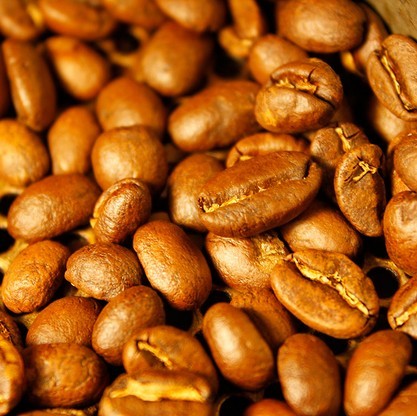
Natural (dry-processed) Sidamo beans tend to have a yellowish-green hue and are often less uniform in shape, sometimes showing broken or chipped edges. When processed well, they deliver an explosive cup full of rich fruitiness that goes far beyond what washed Sidamo offers. That’s because natural processing involves drying the coffee cherries in their fruit for up to two weeks, allowing prolonged fermentation. This creates heavy notes of tropical fruit, blueberry-like berries, and deep sweetness—but only if handled correctly. Poorly processed natural Sidamo can easily turn earthy or musty, losing all its aromatic potential. A well-made natural Sidamo should be intensely fruity; without that, it’s considered inferior.
The Legend and Landscape of Sidamo
Sidamo is more than just a coffee region—it’s steeped in local lore. The southern Dawa Valley, for instance, is said to hide the lost treasure of King Solomon. The area is densely forested and home to wild coffee trees. Farmers often select the best wild plants and transplant them to their own farms, preserving unique local genetics. One notable sub-region, Shakiso (or Shiasho), lies in southern Sidamo and is famed for producing coffees tasting like lemon and honey—a hallmark of the area’s terroir.
How Processing Defines Sidamo’s Cup Profile
The choice between washed and natural processing dramatically impacts Sidamo’s flavor. Washed Sidamo emphasizes clarity, acidity, and clean fruit notes such as citrus and berry, with a structured, tea-like body and chocolatey aftertaste. Natural Sidamo, by contrast, develops deeper, wine-like fruitiness through extended fermentation inside the cherry. The difference isn’t just technique—it’s aroma, texture, and taste complexity. While 80% of Ethiopia’s output is still natural-processed, Sidamo remains one of the few regions where both methods yield exceptional results.
Frequently Asked Questions
What is special about Sidamo coffee?
Sidamo coffee comes from Ethiopia’s southern highlands at 1,400–2,200 meters altitude and is known for either bright, citrusy washed profiles or bold, fruity natural profiles. The region’s volcanic soils and diverse microclimates contribute to its complex cup character, with flavors ranging from grape and chocolate to tropical berries and honey.
What’s the difference between washed and natural Sidamo coffee?
Washed Sidamo is processed using water to remove the coffee cherry pulp before drying, resulting in a clean, bright cup with citrus, berry, and chocolate notes. Natural Sidamo is dried with the cherry intact, leading to fermentation that enhances fruity, wine-like, and sometimes fermented flavors. Washed Sidamo is more consistent and acidic; natural Sidamo is fruitier but riskier if poorly processed.
Which processing method is more common in Sidamo?
About 20% of Sidamo coffee is washed and 80% is natural, reflecting Ethiopia’s overall processing split. However, within Sidamo, both methods are widely used and can produce award-winning coffees depending on terroir and processing quality.
What altitude is Sidamo coffee grown at?
Sidamo coffee is cultivated at elevations between 1,400 and 2,200 meters above sea level. These high altitudes slow cherry maturation, increasing sugar development and acidity, which contribute to the region’s signature bright and complex cup profiles.
Does natural Sidamo coffee always taste good?
No, natural Sidamo coffee can taste exceptional with proper processing—offering intense berry and tropical fruit notes—but if dried improperly, it often develops unpleasant earthy or musty flavors. Quality depends heavily on fermentation control and drying conditions during the two-week drying process.
Why is Sidamo coffee considered specialty grade?
Sidamo coffee is considered specialty grade when it meets strict cupping criteria, including high sweetness, distinct acidity, and complex flavor notes. The region’s diverse growing conditions, careful cultivation, and both washed and natural processing methods allow for a wide range of high-quality profiles that meet specialty standards.
Recommended FrontStreet Beans from Sidamo
For a classic Ethiopian natural experience, try FrontStreet Coffee’s Ethiopia Humbera, a vibrant natural-processed coffee with intense berry and fermented fruit layers. If you prefer a brighter, washed profile, FrontStreet’s Gedeb (often representing Yirgacheffe but adjacent in style) showcases citrus, floral, and stone fruit notes typical of high-altitude Ethiopian washed lots. Both beans highlight the fruit-forward complexity Ethiopia is known for. Freshly roasted within 5 days · Orders placed before 17:00 ship the same day · Next-day delivery across most of Guangdong Province.
FrontStreet Coffee is a long-established specialty coffee roaster in Guangzhou China, selling freshly roasted beans from its own farm in Yunnan as well as dozens of carefully selected single-origin beans from around the world for both pour-over and espresso. The products deliver consistently excellent quality and great value, with shipping within 24 hours. Guangzhou's FrontStreet Coffee shop is recommended by many coffee lovers, and the beans are now available online at the Tmall 。
Important Notice :
前街咖啡 FrontStreet Coffee has moved to new addredd:
FrontStreet Coffee Address: 315,Donghua East Road,GuangZhou
Tel:020 38364473