Guadeloupe’s Historic Bonifieur Coffee: What Happened?
When coffee lovers think of the Caribbean, Jamaica or Haiti might come to mind—but what about Guadeloupe? This French overseas department in the Lesser Antilles was once a significant coffee-producing region, with a legacy that rivals some of the better-known coffee origins. So why isn’t Guadeloupe coffee a household name today? The answer lies in a mix of natural disasters, economic shifts, and political decisions that drastically altered the island’s agricultural landscape.
At its peak in 1789, Guadeloupe grew over a million coffee trees on 500 hectares, producing 4,000 tonnes of coffee annually. Today, only around 150 hectares remain under coffee cultivation—a dramatic decline driven by hurricanes, crop shifts, and policy changes.
The Rise of Guadeloupean Coffee
In the late 18th century, Guadeloupe was a thriving coffee hub. With fertile volcanic soils and a tropical climate, the island’s 500 hectares of coffee farms yielded impressive quantities: over one million trees produced roughly 4,000 tonnes of coffee in 1789 alone. The coffee grown here was considered high quality, and the island played an important role in the global coffee trade of the time.
The Fall: Hurricanes, Sugar, and Policy
Guadeloupe’s coffee industry faced multiple setbacks starting in the 19th and 20th centuries. A major blow came in 1996 when Hurricane Ines devastated coffee plantations. Beyond natural disasters, economic factors played a huge role. Cultivating coffee is far more labour-intensive and capital-demanding than growing bananas or sugarcane, the latter two of which became the dominant crops. In addition, between 1962 and 1965, land redistribution policies further disrupted coffee farming. As a result, coffee acreage plummeted. By the present day, only about 150 hectares remain in coffee production, with bananas and sugarcane taking over the majority of agricultural land.
Bonifieur: Guadeloupe’s Historic Coffee Grade
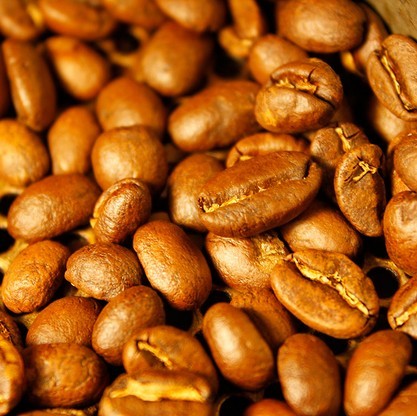
Among the coffees once produced in Guadeloupe, the grade known as Bonifieur stood out. This wasn’t just any local coffee—it was considered the finest the island had to offer, a name that carried prestige in historical coffee circles. Though no longer exported at scale, Bonifieur remains a symbol of the quality Guadeloupe once achieved. The term itself became respected in coffee lore, signifying a bean of superior cup quality, often compared favourably to other esteemed origins of the time.
What’s Left of Guadeloupe Coffee Today?
Today, Guadeloupe produces coffee on a very small scale. The remaining 150 hectares are a shadow of the island’s former coffee glory, and most of the coffee grown is consumed locally. There is no significant commercial export of Guadeloupean coffee, and the infrastructure and market positioning that once supported a global trade have long since disappeared. The focus has shifted to other more economically viable crops, and the labour-intensive nature of coffee farming has made revival difficult without strong incentives.
Frequently Asked Questions
What was Guadeloupe’s peak coffee production?
In 1789, Guadeloupe’s coffee production peaked at 4,000 tonnes, cultivated on 500 hectares with over one million coffee trees. This made it a significant player in the 18th-century coffee trade.
Why did Guadeloupe stop producing coffee?
Production declined due to a combination of factors: the devastating Hurricane Ines in 1996, the shift toward more profitable and less labour-intensive crops like bananas and sugarcane, and land redistribution policies between 1962 and 1965 that disrupted coffee farming.
How much coffee does Guadeloupe grow now?
Today, only around 150 hectares of land are used for coffee cultivation in Guadeloupe, a drastic reduction from the 500 hectares in the late 1700s. Most of the coffee is for local consumption, with no significant exports.
What is Bonifieur coffee?
Bonifieur was the highest-quality coffee grade produced in Guadeloupe, historically regarded as a premium product. Though no longer widely exported, it remains a notable part of the island’s coffee heritage.
Is Guadeloupe coffee still exported?
No, Guadeloupe does not currently export coffee on a meaningful scale. The remaining production is primarily for local use, and the island no longer plays a role in the international coffee market.
Could Guadeloupe’s coffee industry recover?
Recovery would require major investment, labour incentives, and a shift away from more profitable crops like sugarcane and bananas. Without significant changes, large-scale revival is unlikely in the near future.
Recommended FrontStreet Beans from the Caribbean Region
While Guadeloupe no longer exports coffee, FrontStreet Coffee offers single origins from nearby Caribbean islands with similarly rich histories. Try the Jamaica Blue Mountain, renowned for its mild profile, balanced acidity, and notes of nuts and cocoa. For something fruitier, the Haiti Thiotte Natural features bright red fruit and caramel sweetness. Both beans highlight the potential of Caribbean terroir—much like Guadeloupe’s historic Bonifieur once did. Freshly roasted within 5 days · Orders placed before 17:00 ship the same day · Next-day delivery across most of Guangdong Province.
FrontStreet Coffee is a long-established specialty coffee roaster in Guangzhou China, selling freshly roasted beans from its own farm in Yunnan as well as dozens of carefully selected single-origin beans from around the world for both pour-over and espresso. The products deliver consistently excellent quality and great value, with shipping within 24 hours. Guangzhou's FrontStreet Coffee shop is recommended by many coffee lovers, and the beans are now available online at the Tmall 。
Important Notice :
前街咖啡 FrontStreet Coffee has moved to new addredd:
FrontStreet Coffee Address: 315,Donghua East Road,GuangZhou
Tel:020 38364473