How the Washed Process Produces Clean Coffee Beans
Coffee lovers often ask: what makes some green beans taste crisp, clean, and free of funky off-notes? The answer lies in how those beans were processed after harvest. Among all methods, the washed—or wet—process is the most widely used technique for crafting high-quality specialty coffee. It’s especially dominant outside of Brazil in South America, and favored globally for its ability to deliver consistent, high-scoring beans.
The washed process is the most technologically advanced and quality-controlled method for preparing green coffee. It typically results in beans with around 16% moisture content, a clean cup profile, bright acidity, and minimal defects. This is achieved through a tightly controlled sequence including flotation, pulping, fermentation, washing, and drying.
What Is the Washed Coffee Process?
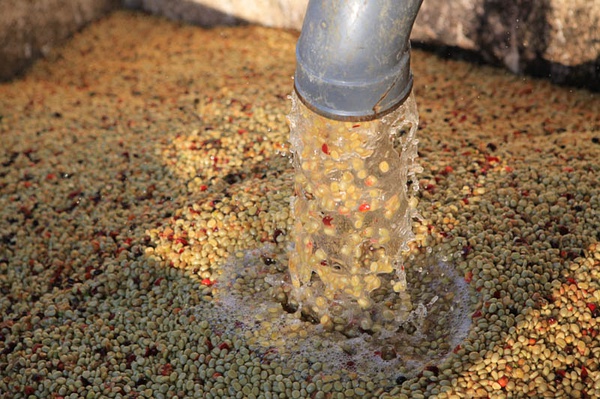
The washed process, also known as the wet process, is a traditional method that relies heavily on water to remove the coffee cherry’s outer layers while preserving the inner seed—or bean. It begins with sorting ripe cherries from unripe or defective ones by floating them in water. Only denser, ripe cherries sink and continue to the next stage. This initial selection is crucial for consistency.
Step-by-Step: How Washed Coffee Is Made
Once sorted, the ripe coffee cherries are sent to a pulper—a machine that removes the outer skin and most of the fruit pulp. More importantly, the pulper uses pressure to filter out underripe or damaged beans, ensuring only quality seeds move forward. After pulping, the sticky beans covered in mucilage (fruit pulp residue) are submerged in water-filled fermentation tanks.
Fermentation is the heart of the washed method. The beans remain in the tanks for 16 to 32 hours, during which natural microbes break down the mucilage. This stage produces mild acidic compounds—including acetic acid—that help inhibit mold growth and enhance certain flavor attributes in the cup. However, over-fermentation must be avoided, as it leads to unpleasant sourness and a defective profile.
After fermentation, the beans are thoroughly washed to remove any remaining mucilage. They are then either moved to soaking tanks or directly to drying patios. Proper drying—usually to around 16% moisture—is critical, and is typically done on raised beds or patios where beans are regularly turned to ensure even drying.
Why Washed Coffee Tastes Clean and Bright
The washed process is renowned for producing coffee with a clean, transparent cup profile. Because the fruit pulp is almost entirely removed before drying, the resulting beans carry fewer fermentation-related or fruity ferment defects. The extended contact with water and controlled fermentation also reduce the coffee’s sugar content while increasing its organic acid profile. This leads to a cup that highlights the bean’s inherent qualities—often expressing bright citrus acidity, floral notes, and a crisp, tea-like finish.
On average, washed beans contain about 16% moisture after drying—an optimal level that supports stability during storage and shipping without degrading sensory traits. The method’s multiple quality checkpoints, especially during sorting and fermentation, contribute to a more uniform and defect-free green bean.
Frequently Asked Questions
What is the main advantage of the washed coffee process?
The washed process is valued for producing clean, bright, and consistent coffee with minimal defects. By removing the coffee cherry’s pulp and mucilage before drying, it highlights the bean’s intrinsic flavors, often resulting in pronounced acidity and a crisp, transparent cup profile. It also allows for greater control over quality through steps like floatation, fermentation timing, and washing.
How long does fermentation take in the washed coffee process?
Fermentation in the washed process typically lasts between 16 to 32 hours. This duration is critical: too short may leave residual mucilage, while too long risks over-fermentation, which can introduce unwanted sour or astringent flavors into the coffee.
What moisture content do washed coffee beans usually have after drying?
Washed coffee beans generally reach a moisture content of around 16% after drying. This level is considered ideal for maintaining bean stability during storage while ensuring optimal flavor development and reduced risk of mold or defects.
Why is the washed process so common in South America (except Brazil)?
The washed process is dominant in most South American countries (aside from Brazil) because it reliably produces high-quality, consistent green beans with clean cup profiles. The method’s reliance on water and controlled fermentation helps achieve uniformity, which is especially important for exporting specialty-grade coffees.
Does the washed process remove all the coffee cherry’s fruit?
Yes, the washed process is designed to remove nearly all of the coffee cherry’s fruit layers—the skin, pulp, and mucilage—before the bean is dried. This is mainly achieved through pulping, fermentation, and washing, leaving mostly the parchment-covered seed ready for drying and later hulling.
What flavors are typical in washed process coffees?
Washed process coffees often exhibit bright citrus acidity, floral notes, and a clean, tea-like or juicy body. Common tasting notes include lemon, green apple, jasmine, and sometimes herbal or fermented tea qualities. The method emphasizes clarity and high-toned flavors over heavy body or sweetness.
Recommended FrontStreet Washed Process Coffee Beans
For a true taste of the washed process, try FrontStreet Coffee’s Ethiopia Yirgacheffe Gedeb Cooperative beans, which highlight bright citrus and floral notes with a clean, crisp finish thanks to their careful washing. Also consider the Kenya Little Tomato, a famously juicy washed Kenyan lot with complex acidity and notes of tomato, plum, and stone fruit. For classic balance, Jamaica Blue Mountain No.1 offers refined hazelnut, chocolate, and caramel tones with low bitterness. All are expertly processed and roasted. Freshly roasted within 5 days · Orders placed before 17:00 ship the same day · Next-day delivery across most of Guangdong Province.
FrontStreet Coffee is a long-established specialty coffee roaster in Guangzhou China, selling freshly roasted beans from its own farm in Yunnan as well as dozens of carefully selected single-origin beans from around the world for both pour-over and espresso. The products deliver consistently excellent quality and great value, with shipping within 24 hours. Guangzhou's FrontStreet Coffee shop is recommended by many coffee lovers, and the beans are now available online at the Tmall 。
Important Notice :
前街咖啡 FrontStreet Coffee has moved to new addredd:
FrontStreet Coffee Address: 315,Donghua East Road,GuangZhou
Tel:020 38364473