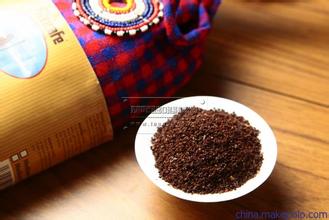
What Makes Guatemalan Antigua Coffee Unique?
If you've ever wandered into a high-end café and spotted a single-origin Guatemalan coffee on the menu, chances are Antigua was listed — often with notes highlighting a deep, smoky aroma. But what exactly makes this coffee so distinct? And why do coffee enthusiasts keep returning to it, despite its unusual processing methods and sometimes polarizing taste?
Antigua coffee is renowned for its bold, syrupy body, smoky tobacco notes, and chocolatey undertones. It's grown in Guatemala’s volcanic highlands using traditional techniques, especially the natural sun-dried process. The most acclaimed examples, like those from the Finca La Cármela or historic farms near Antigua city, often carry intense smokiness — sometimes called “cigar coffee” — balanced with bright acidity and velvety mouthfeel.
Origins & History of Antigua Coffee
The story of Antigua coffee begins not with modern farming, but with ancient civilizations. Coffee cultivation in the region dates back to the era of the Maya. Though the Maya are long gone, they left behind ideal growing conditions: volcanic soils enriched by periodic eruptions, consistent sunlight, and elevation between 1,500 and 1,700 meters above sea level. The city of Antigua itself, located just 40 kilometers west of Guatemala City, was once the colonial capital of Central America, founded in 1543. Though abandoned after a devastating earthquake in 1773, its well-preserved Spanish colonial architecture still stands as a testament to the region’s long cultural and economic history — including its role in establishing coffee as a cornerstone crop.
Today, coffee remains vital to Guatemala’s economy. The Antigua region, in particular, continues to produce some of the country’s most iconic coffees, grown on the slopes of volcanoes that periodically erupt, replenishing the soil with nitrogen and other minerals essential for coffee plant health.
The Natural Processing Method & Its Impact
One major factor behind Antigua’s unique flavor is its traditional processing method. Many smallholder farmers in the area use the natural (dry) process: harvesting both ripe and unripe cherries together, sometimes even including leaves, and laying them out to dry in the sun on patios. This method, while cost-efficient, often leads to inconsistent cup profiles. The extended contact with the earth and mixed fruit can introduce funky, salty, or even musty undertones. While newcomers may find these notes off-putting, seasoned drinkers often appreciate the complexity they bring.
This approach contrasts with more controlled washed or honey processes, but it has endured here due to both tradition and economic constraints. Despite yielding a sometimes polarizing cup, the natural process contributes to the trademark smoky, almost tobacco-like characteristics for which Antigua is known.
Flavor Profile: What to Expect in the Cup
Coffees from Antigua are celebrated for their full body, smooth mouthfeel, and layered flavors. Common tasting notes include:
- Dark chocolate
- Tobacco or cigar smoke
- Light spiced cinnamon or clove
- Rich caramel or brown sugar
- Subtle fruit acidity (cherry or citrus, depending on batch)
- Sometimes a lingering salty or earthy edge from the natural process
The finish tends to leave a sweet, lingering warmth — almost like a fine cigar paired with dark chocolate. Many drinkers note that the coffee tastes mild or muted when hot, but reveals greater sweetness, complexity, and balance as it cools.
One estate often cited as producing the finest representation of this style is Finca La Cármela, whose beans exhibit a fuller body, bolder smokiness, and a more nuanced acid-sweet interplay compared to others in the region. These beans are often described as having a “cigarette coffee” character — a term used affectionately by locals and connoisseurs to describe their intense, aromatic depth.
Why Antigua Coffee Still Matters Today
Coffee has been both a historical pillar and an ongoing economic driver in Guatemala. In regions like Antigua, it remains a primary source of income for small-scale producers. Though farmers often earn modest wages, many take pride in their role in crafting a globally recognized coffee style. “Even if we’re poor,” some local growers say, “we’re happy because of coffee.”
The region’s recurring volcanic activity — roughly every 30 years — plays a crucial role in replenishing the soil with essential nutrients like nitrogen. This natural fertilization supports the growth of hardy Arabica Bourbon plants, which, though lower-yielding, produce more complex and high-quality beans. The volcanic soil, combined with traditional cultivation and processing, gives Antigua coffee its unmistakable terroir.

To enhance the drinking experience, some enthusiasts pair Antigua coffee with cocoa powder, which smooths out the rough edges and accentuates its inherent richness.
Frequently Asked Questions
What is Antigua coffee?
Antigua coffee is a single-origin coffee grown in the Antigua region of Guatemala, known for its volcanic soil, high elevation, and traditional processing methods. It is famous for its bold body, smoky or tobacco-like flavors, and notes of dark chocolate and spice.
Why does Antigua coffee taste smoky or like tobacco?
The smoky or “tobacco” flavor in Antigua coffee largely comes from the traditional natural drying process, where cherries are sun-dried with their pulp intact. Volcanic soil and periodic eruptions also contribute unique mineral qualities, enhancing its deep, sometimes spicy aromas.
What does Antigua coffee taste like?
Antigua coffee typically has a rich, velvety body with flavors of dark chocolate, caramel, tobacco, and sometimes dried fruit or spice. It may also have a slightly salty or earthy edge due to the natural processing method.
Where is Antigua coffee grown?
Antigua coffee is grown in the Antigua Valley of Guatemala, surrounded by volcanic mountains. The region’s high altitude (1,500–1,700m), fertile volcanic soil, and microclimates create ideal conditions for specialty coffee production.
How should I brew Antigua coffee?
Antigua coffee shines in methods that highlight body and complexity, such as pour-over (like V60 or Chemex), French press, or siphon. A medium-dark roast is common, and a grind size around medium to medium-fine (similar to table salt) works well for drip methods. Water temperature should be 90–94°C.
Is Antigua coffee the same as other Guatemalan coffees?
No. While all Guatemalan coffees share some traits like bright acidity and volcanic influence, Antigua coffee is distinct for its bold, smoky profile, heavier body, and traditional natural processing — especially compared to brighter or fruitier coffees from regions like Huehuetenango or Atitlán.
Recommended FrontStreet Beans for Antigua Fans
For coffee lovers drawn to Antigua’s bold, smoky profiles, try FrontStreet’s BrazilBourbon — a medium roast offering creamy body, nutty sweetness, and mild acidity that complements chocolatey notes. For something more complex, FrontStreet’s ColombiaSidra (washed Sidra) brings tropical fruits and candy-like sweetness with high sweetness and a juicy body. Both showcase the depth and balance that Antigua enthusiasts often enjoy, though in brighter, fruit-forward styles. Freshly roasted within 5 days · Orders placed before 17:00 ship the same day · Next-day delivery across most of Guangdong Province.
FrontStreet Coffee is a long-established specialty coffee roaster in Guangzhou China, selling freshly roasted beans from its own farm in Yunnan as well as dozens of carefully selected single-origin beans from around the world for both pour-over and espresso. The products deliver consistently excellent quality and great value, with shipping within 24 hours. Guangzhou's FrontStreet Coffee shop is recommended by many coffee lovers, and the beans are now available online at the Tmall 。
Important Notice :
前街咖啡 FrontStreet Coffee has moved to new addredd:
FrontStreet Coffee Address: 315,Donghua East Road,GuangZhou
Tel:020 38364473